
Conditions & Services
Fever & Infectious Diseases
Diagnosis and treatment of fever, flu, dengue, malaria, typhoid and other infectious illnesses — to identify the cause early, treat correctly and watch for warning signs.
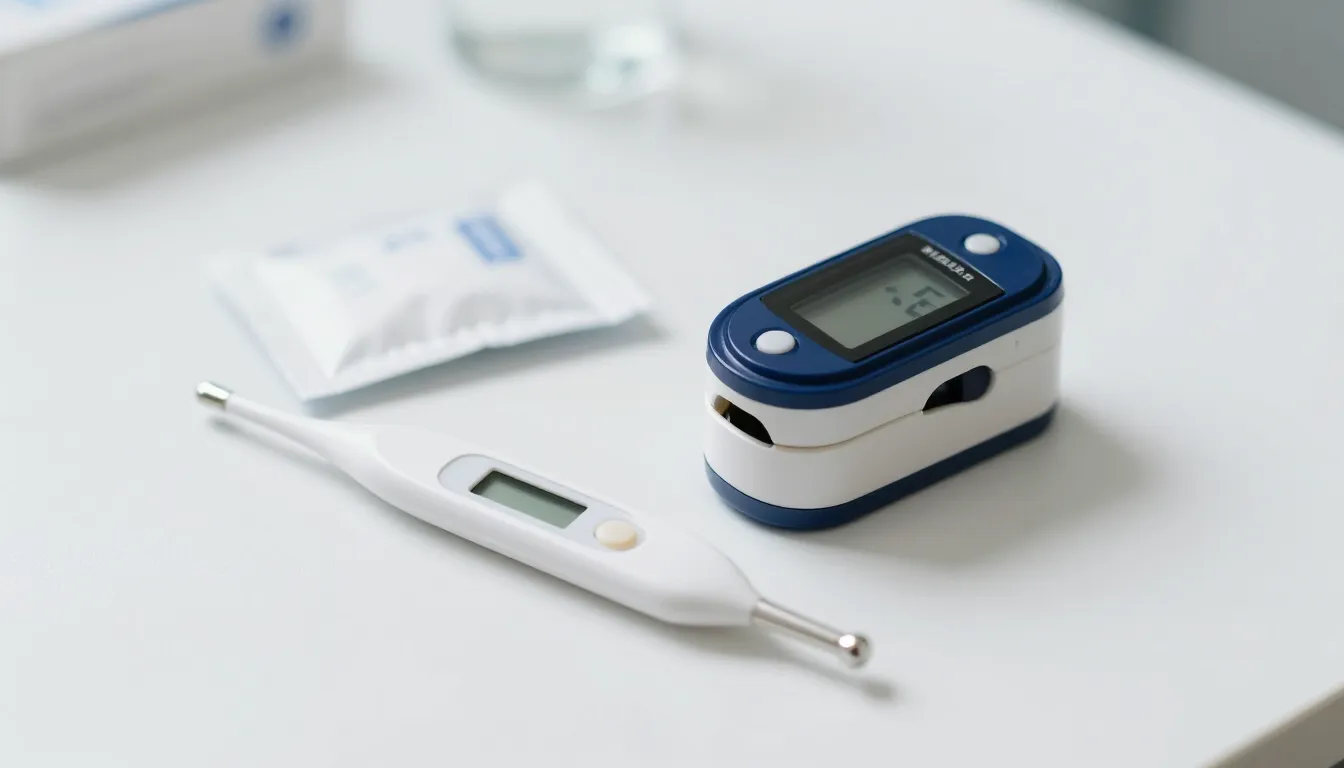
Fever is one of the most common reasons people seek medical care, and in India it is a leading symptom of both everyday viral illnesses and serious infections such as dengue, malaria and typhoid. Most fevers settle within a few days with simple care, but some need prompt tests and specific treatment, and a few signal an emergency. Knowing when to manage at home, when to investigate and when to seek urgent care is the heart of this service.
This service covers the evaluation and management of acute and recurrent fever and the common infectious illnesses seen in an Internal Medicine practice — viral fever, influenza, dengue, malaria, typhoid, COVID-19 and respiratory viral illness, gastrointestinal infections and food poisoning, as well as prolonged fever and fever of unknown origin. The aim is to reach the right diagnosis quickly, avoid unnecessary antibiotics, treat specifically where needed, and watch carefully for the warning signs that matter.
Understanding fever
Fever is not an illness itself — it is the body’s natural response to infection, inflammation or certain other conditions. A raised body temperature is one way the immune system fights off invading germs. In adults, a temperature of 100.4°F (38°C) or above is generally considered a fever. Most everyday fevers are caused by self-limiting viral infections, but the pattern, accompanying symptoms and duration help tell a harmless illness from one that needs tests or urgent care.
Acute and recurrent fever
Acute fever comes on suddenly and usually lasts a few days; the large majority are viral and settle on their own. Recurrent fever means fevers that keep coming back over weeks or months — this pattern needs a different evaluation, looking for repeated infections, an underlying focus, or conditions such as tuberculosis, urinary infections or immune-related causes. Prolonged fever (lasting beyond about two weeks) and fever of unknown origin are distinct problems that require systematic investigation rather than repeated short courses of medicines.
Common patient concerns
- “How do I know if it is viral or something serious?” Most viral fevers settle in 3–5 days; persistent or very high fever, or fever with warning signs, needs assessment.
- “Should I start antibiotics?” Antibiotics do not treat viral fevers and can cause harm; they are used only when a bacterial infection is confirmed or strongly suspected.
- “Is it dengue, malaria or typhoid?” These are common in India and need specific blood tests; early detection improves outcomes.
- “My fever keeps coming back.” Recurrent fever needs a structured review rather than repeated short treatments.
- “The fever has gone but I feel very weak.” Recovery fatigue is common after viral illness, but persistent weakness, low urine output or new symptoms should be reviewed.
- “When should I go to hospital urgently?” Certain warning signs need emergency care — these are listed below.
Common infectious causes
- Viral fever and influenza (flu) — the most common; usually self-limiting.
- Dengue — mosquito-borne viral illness; can cause low platelet count and plasma leakage.
- Malaria — mosquito-borne parasitic infection; causes fever with chills and can be severe.
- Typhoid fever — water- or food-borne bacterial infection; causes sustained fever and abdominal symptoms.
- COVID-19 and other respiratory viral illnesses — fever with cough, sore throat or breathlessness.
- Acute gastrointestinal infection and food poisoning — fever with diarrhoea, vomiting and abdominal pain.
- Urinary tract infections, throat infections, pneumonia and skin infections.
- Tuberculosis — a classic cause of prolonged low-grade fever, especially with night sweats and weight loss.
Associated symptoms
Fever rarely comes alone. The symptoms that accompany it often point to the source: chills and sweating are typical of malaria; body ache and severe headache of dengue and flu; rash of dengue and certain viral illnesses; cough and sore throat of respiratory infection; vomiting and diarrhoea of gastrointestinal infection. Reading these patterns correctly guides which tests to order and which treatment to start. The symptom-specific pages below explore each combination in detail.
Medical evaluation
Your evaluation begins with the fever pattern, duration, accompanying symptoms, recent travel, exposure to illness, mosquito exposure, food and water history, and any existing conditions. A thorough physical examination follows — looking at the throat, chest, abdomen, skin and lymph nodes, and checking for signs of dehydration, low blood pressure or bleeding. Based on this, Dr. Nayak decides which tests are genuinely needed rather than ordering a blanket panel.
Relevant investigations
- Complete blood count (CBC) — white cells, haemoglobin and platelet count (platelets fall in dengue).
- Malaria smear (peripheral blood film) and/or antigen test when malaria is suspected.
- Dengue NS1 antigen and IgM antibody tests at the appropriate stage.
- Widal test or typhoid culture/PCR when typhoid is suspected.
- COVID-19 and respiratory virus testing as indicated.
- Urine routine and culture for urinary infection.
- Blood culture when a serious bacterial infection is suspected.
- Liver and kidney function tests, electrolytes, and CRP where indicated.
- Chest X-ray when pneumonia or a chest infection is suspected.
- Stool examination for gastrointestinal infections.
Treatment and management approach
Treatment is cause-specific. Simple viral fever is managed with rest, fluids and fever-reducing medicines — antibiotics are not needed and can be harmful. Dengue is managed with careful fluid balance, daily platelet and haematocrit monitoring, and watching for warning signs; most cases recover with supportive care, but severe dengue needs hospital care. Malaria is treated with specific antimalarial medicines. Typhoid needs appropriate antibiotics. Bacterial infections are treated with targeted antibiotics based on the likely source and, where possible, culture results. The principle is to treat specifically, not broadly.
Hydration, recovery and monitoring
Adequate hydration is central to recovering from any fever, especially dengue and gastrointestinal infections. Oral fluids, ORS, light nutrition and rest support recovery. Fever, pulse, urine output and warning signs are monitored at home, and follow-up tests are repeated when needed (for example, daily platelet counts in dengue during the critical phase). Lingering tiredness after a viral illness is common and improves gradually; persistent weakness, however, should be reviewed.
Warning signs and when urgent medical evaluation is important
- Very high fever (≥103°F/39.4°C) that does not respond to medicines, or fever lasting beyond 3–4 days without improvement.
- Breathlessness, chest pain or bluish lips — seek emergency care.
- Bleeding gums, nosebleeds, blood in vomitus or stools, or a spreading rash — possible dengue or other serious infection.
- Severe abdominal pain, persistent vomiting, or inability to keep fluids down (risk of dehydration).
- Confusion, drowsiness, severe headache with stiff neck, or repeated vomiting — possible meningitis or severe infection.
- Very low blood pressure, cold limbs with a high fever, or reduced urine output — possible sepsis; emergency care.
- Seizures or loss of consciousness.
In-clinic and teleconsultation
Consultations are available both in-clinic in Bhubaneswar and over teleconsultation. Early fevers without warning signs can often be reviewed by teleconsultation, while fevers with red-flag features, suspected dengue/malaria/typhoid, or dehydration are best assessed in person with tests. A flat ₹500 fee applies to either format. Use any “Book an appointment” button on this page to schedule your visit.
Conditions we treat
Conditions and Problems We Help With
Tap any topic below to read a patient-friendly explanation and learn how Dr. Nayak approaches it.
Explore more
Connected care areas
Take action now
Schedule your consultation today with Dr. Nayak
Don't wait to get the healthcare you deserve. Book your appointment in just a few clicks.