
Fever & Infectious Diseases
Fever
What fever is, what the temperature numbers mean, when most fevers can be managed at home, and when a fever needs medical assessment.
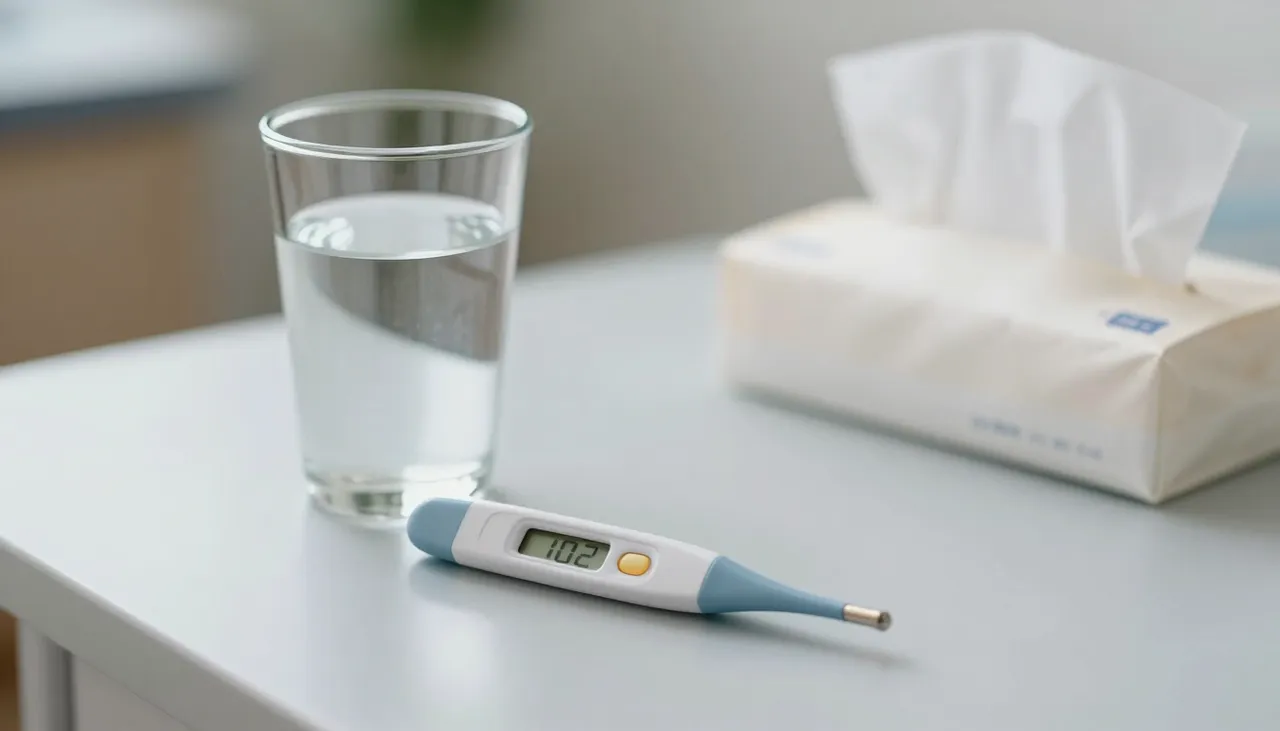
Overview
Fever is a raised body temperature, most often a sign that the body is fighting an infection. It is a symptom, not a disease in itself. In adults, a temperature of 100.4°F (38°C) or higher is generally considered a fever. Most fevers are caused by common viral infections and settle within a few days with rest and fluids, but the pattern, height and accompanying symptoms decide when tests or urgent care are needed.
This is the central general fever page. For fever that comes on suddenly, see Acute Fever; for fevers that keep returning, see Recurrent Fever; for fever lasting beyond about two weeks, see Prolonged Fever and Fever of Unknown Origin. For specific illnesses, see the disease pages below.
Taking and reading a temperature
- Normal body temperature is around 97°F to 99°F (36.1–37.2°C); it varies through the day.
- 100.4°F (38°C) or above is generally a fever.
- Use a digital thermometer under the arm, in the mouth or in the ear; read it correctly and record the time.
- A single high reading is less worrying than the overall pattern and accompanying symptoms.
Common causes
- Viral infections — the most common cause; usually self-limiting.
- Bacterial infections — throat, urinary, chest, skin or gut.
- Mosquito-borne illness — dengue, malaria.
- Water- and food-borne illness — typhoid, food poisoning.
- Other causes — heat, certain medicines, inflammation, and (rarely) serious illness.
Home care for a simple fever
- Rest and drink plenty of fluids — water, ORS, coconut water, light soups.
- Use fever-reducing medicine as advised; do not over-medicate.
- Tepid sponging with lukewarm water can help comfort; avoid cold baths.
- Wear light clothing and keep the room comfortable.
- Monitor temperature, fluid intake and urine output.
When to seek medical assessment
- Fever lasting beyond 3–4 days, or not improving.
- Very high fever (≥103°F/39.4°C).
- Any warning signs (see below).
- Recurrent fevers over weeks.
- Existing conditions such as diabetes, kidney disease, pregnancy or low immunity.
Warning signs — seek urgent care
- Breathlessness, chest pain or bluish lips.
- Bleeding, rash, or blood in vomit or stools.
- Severe headache with stiff neck, confusion or drowsiness.
- Persistent vomiting, severe abdominal pain, or reduced urine output.
- Very low blood pressure, cold limbs with high fever, or seizures.
How we help
Dr. Nayak assesses the fever pattern and accompanying symptoms, decides which tests are genuinely needed, identifies the likely cause, and builds a treatment and monitoring plan — while making sure warning signs are acted on immediately. Consultations are available in-clinic in Bhubaneswar and over teleconsultation.
Related conditions and patient concerns
Explore more
Related conditions
Explore more
Related services
Take action now
Schedule your consultation today with Dr. Nayak
Don't wait to get the healthcare you deserve. Book your appointment in just a few clicks.