
Conditions & Services
Migraine, Headache & Neurological Symptoms
Assessment and management of recurring headaches, migraines and common neurological symptoms — to identify the pattern, rule out serious causes and build a practical plan for relief and prevention.
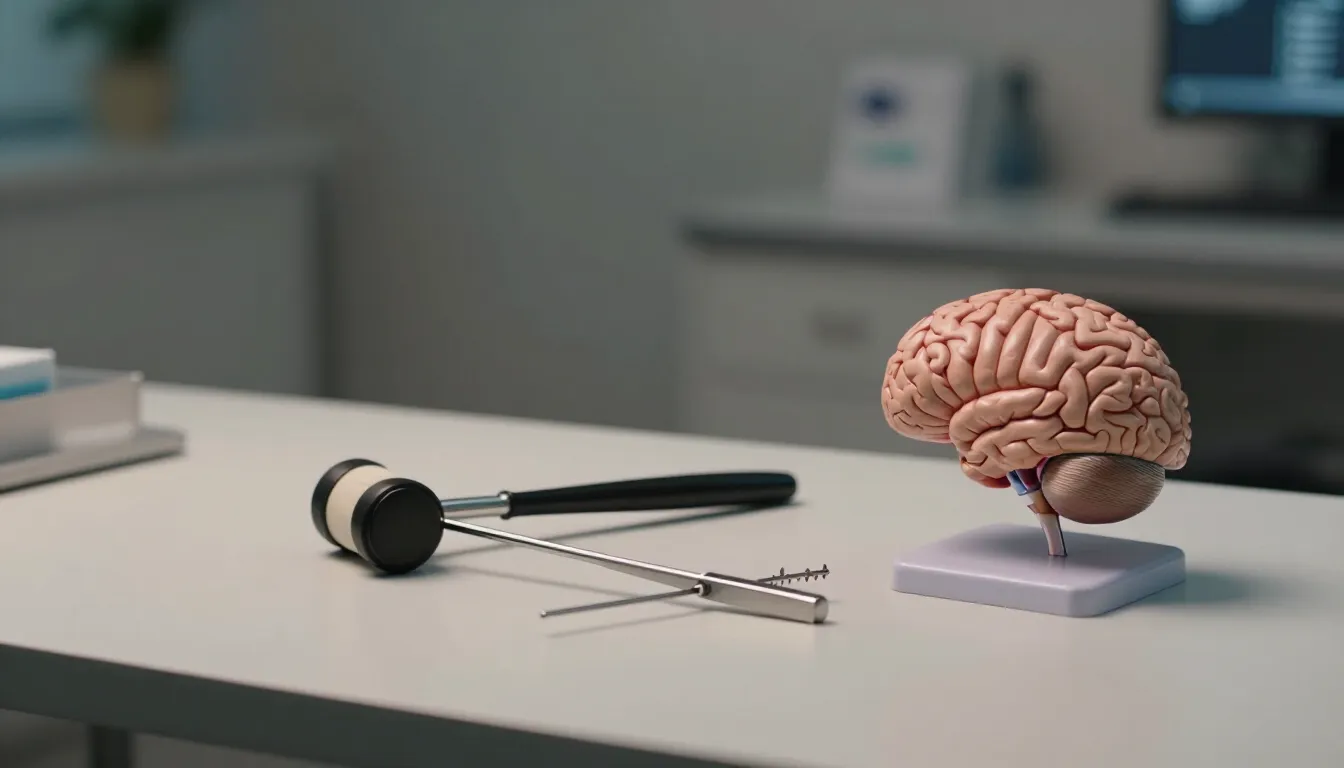
Headaches are among the most common reasons adults seek medical care, and they range from a brief, harmless tension headache to a disabling migraine or, rarely, the first sign of a serious problem. Neurological symptoms such as dizziness, tingling, tremor or memory changes are equally common and often unsettling. Most are benign and manageable, but because some can signal something urgent, a careful assessment — rather than self-diagnosis — is the safest first step.
This service covers the evaluation and management of recurring headaches, migraine and its variants, and common neurological symptoms seen in an Internal Medicine / General Physician setting. The aim is to identify the headache pattern, rule out warning signs that need urgent attention, and build a practical plan combining acute relief, preventive treatment and trigger management so that headaches and symptoms interfere as little as possible with daily life.
Common patient concerns
- “I get headaches several times a month — is this normal, or should I be worried?” Frequent headaches are common and usually primary (migraine or tension-type), but a change in pattern or new features warrants review.
- “My headaches are one-sided with nausea and sensitivity to light — is that migraine?” This classic pattern usually is migraine, but confirmation and a tailored plan help far more than repeated painkillers.
- “I feel dizzy but I’m not sure if it’s vertigo or something else.” Dizziness has several distinct meanings; identifying the correct type guides the right tests and treatment.
- “I wake up with a headache every morning.” Morning headache has specific causes worth checking, including sleep-related issues and medication overuse.
- “I had a sudden, severe headache — the worst of my life.” A thunderclap headache can be an emergency and needs immediate assessment.
- “I have tingling in my hands or face.” This can be anxiety, a nerve problem, a vitamin deficiency or, rarely, a neurological emergency — context determines the urgency.
Different types of headache
Headaches are divided into primary headaches (where the headache itself is the condition) and secondary headaches (where the pain is a symptom of another problem). Knowing which type you have changes everything about the treatment.
- Migraine — moderate to severe, often one-sided, throbbing, with nausea and sensitivity to light or sound; lasts hours to days.
- Tension-type headache — mild to moderate, both sides, pressing or tight band-like, usually without nausea.
- Cluster headache — severe, one-sided eye or temple pain in attacks of 15 minutes to 3 hours, often with eye watering or nasal congestion.
- Secondary headache — caused by fever, infection, high blood pressure, medication overuse, sinus, eye or neck problems, or rarely serious causes.
Migraine and recurrent headaches
Migraine is a neurological condition, not just a bad headache. It involves recurrent attacks of moderate-to-severe headache, often with nausea and sensitivity to light and sound, and sometimes preceded by aura — temporary visual, sensory or speech disturbances. Attacks can last from hours to a few days and may occur anywhere from occasionally to many times a month. When headaches occur on 15 or more days a month, the pattern is called chronic, and medication overuse can itself worsen the frequency. For the full clinical picture, see Migraine, Chronic Migraine and Migraine with Aura.
Common neurological symptoms
- Dizziness and vertigo — a sense of spinning, imbalance or feeling faint; the precise description points to the cause.
- Tingling and numbness — pins-and-needles or loss of sensation in the limbs or face.
- Tremor — involuntary shaking of the hands, head or elsewhere.
- Memory problems — forgetfulness, poor concentration or mental fog.
- Weakness — generalised tiredness or, importantly, sudden focal weakness needing urgent assessment.
- Sleep-related headache — headaches that wake you or are present on waking.
Warning signs and red flags
Most headaches and neurological symptoms are benign, but certain features require urgent medical assessment. Seek immediate care if any of the following occur:
- A sudden, severe “thunderclap” headache reaching maximum intensity within minutes — the worst headache of your life.
- Headache with a high fever, stiff neck, rash or confusion — possible infection such as meningitis.
- New weakness, numbness, slurred speech, visual loss or difficulty walking — possible stroke.
- Headache that steadily worsens over days or weeks, or changes in pattern.
- Headache triggered by exertion, coughing or lying flat, or that wakes you from sleep.
- A first severe headache after age 50, or headache with scalp tenderness or jaw pain on chewing.
- Confusion, seizures, or loss of consciousness with a headache.
Medical evaluation
Your assessment begins with a detailed description of the headaches or symptoms — when they started, how often, how long they last, the quality and location of pain, any accompanying features, and what brings them on or relieves them. A full medical history, medication history (including over-the-counter painkillers), sleep and lifestyle patterns, and a neurological examination are performed. The goal is to classify the headache type, identify any secondary cause, and recognise red flags that need imaging or urgent referral.
Relevant investigations
Most primary headaches need no tests at all — the diagnosis is made from the history and examination. Investigations are ordered when a secondary cause or red flag is suspected, or to check for contributing conditions:
- Blood tests — to check for anaemia, thyroid dysfunction, infection, vitamin B12 or blood sugar abnormalities that can cause or worsen symptoms.
- Blood pressure assessment — high or low blood pressure can cause or worsen headaches and dizziness.
- Brain imaging (CT or MRI) — when a sudden, severe or changing headache, or focal neurological signs, suggest a serious cause.
- Carotid or cardiac evaluation — when dizziness or focal symptoms suggest a vascular cause.
Treatment and management approach
Treatment is tailored to the specific headache or symptom. For migraine and tension-type headache this combines acute treatment (taken at the start of an attack), preventive treatment (taken daily to reduce frequency when attacks are frequent or disabling), and non-drug measures. For neurological symptoms, treatment targets the underlying cause once identified. Overuse of painkillers is specifically addressed, as it can itself cause daily headaches. See the individual topic pages for detailed management.
Lifestyle, triggers and prevention
- Keep a headache diary — record timing, triggers, pain features and medication use to identify patterns.
- Maintain regular sleep, meals and hydration; skipped meals and poor sleep are common triggers.
- Limit caffeine and alcohol, and avoid overusing painkillers (more than 2–3 days per week).
- Manage stress and screen time; build in rest and physical activity.
- Address contributing conditions — blood pressure, thyroid, anaemia or sleep problems.
When urgent medical evaluation is important
- Any thunderclap, sudden severe, or “worst ever” headache.
- Headache with fever, stiff neck, confusion or rash.
- New weakness, numbness, speech difficulty or visual loss.
- A clear change in your usual headache pattern.
- Neurological symptoms that are new, persistent or progressive.
In-clinic and teleconsultation
Consultations are available both in-clinic in Bhubaneswar and over teleconsultation, so ongoing headache and symptom review is easy to maintain. A flat ₹500 fee applies to either format. Use any “Book an appointment” button on this page to schedule your visit.
Conditions we treat
Conditions and Problems We Help With
Tap any topic below to read a patient-friendly explanation and learn how Dr. Nayak approaches it.
Explore more
Connected care areas
Take action now
Schedule your consultation today with Dr. Nayak
Don't wait to get the healthcare you deserve. Book your appointment in just a few clicks.