
Fever & Infectious Diseases
Acute Gastrointestinal Infection
Fever with diarrhoea and vomiting — usually viral or bacterial, hydration is key, when to test, and the warning signs of dehydration.
Overview
An acute gastrointestinal infection causes fever with diarrhoea, vomiting and abdominal pain, often called “stomach flu” or gastroenteritis. Most cases are viral and settle with fluids within a few days, but bacterial causes and dehydration can need specific treatment. This page covers the acute gut infection; for food-borne illness see Food Poisoning, and for ongoing digestive issues see Digestive Problems.
Symptoms
- Fever, often low to moderate.
- Diarrhoea — loose or watery stools.
- Vomiting and nausea.
- Abdominal cramps and pain.
- Loss of appetite and tiredness.
- Sometimes blood or mucus in stools (suggests a bacterial cause).
Evaluation
Evaluation focuses on the duration, stool character and hydration status. A stool examination and culture are ordered when there is blood or mucus, prolonged symptoms, or severe illness. Blood tests check dehydration, kidney function and electrolytes.
Management
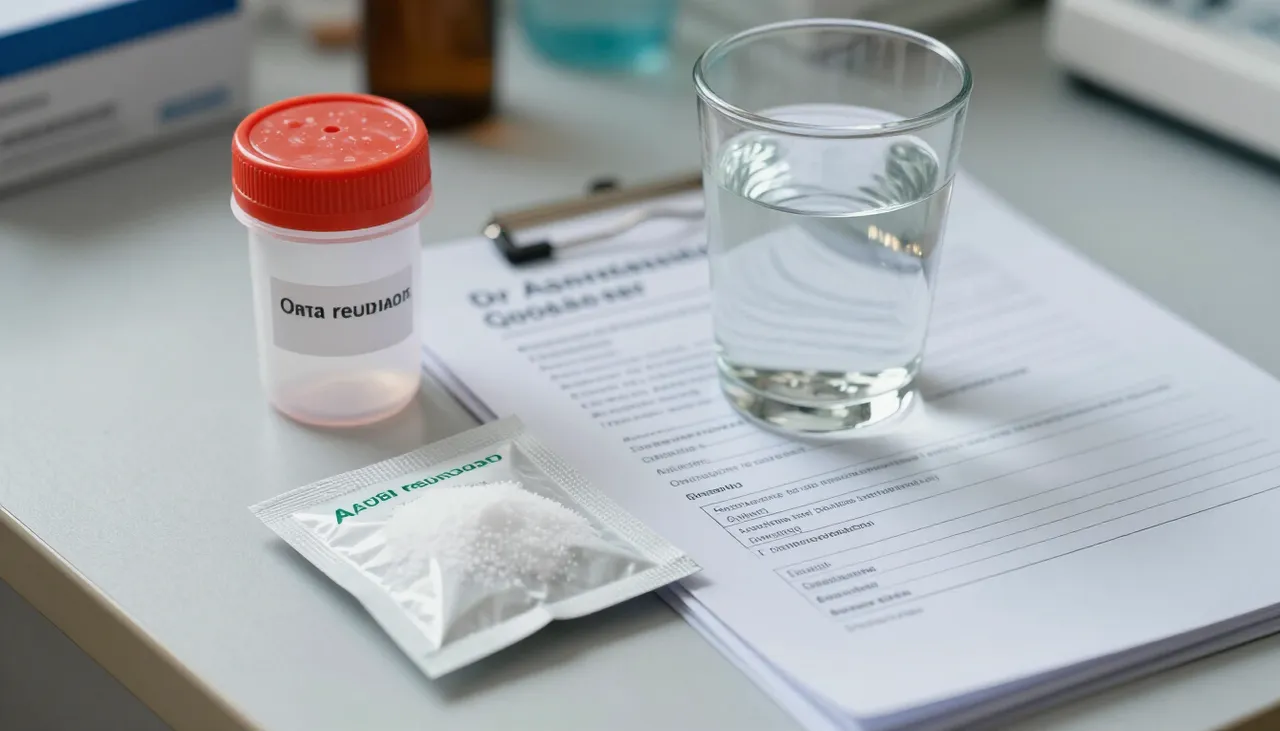
Hydration is the cornerstone — oral rehydration salts (ORS) and fluids. Most viral cases need no antibiotics. Antibiotics are used only for specific bacterial causes or severe illness. Anti-diarrhoeal medicines are used cautiously and not in some infections. Severe dehydration needs intravenous fluids and hospital care.
Warning signs — seek urgent care
How we help
Dr. Nayak assesses the cause and hydration status, advises on fluids and diet, uses antibiotics only when appropriate, and refers severe dehydration to hospital. Consultations are available in-clinic in Bhubaneswar and over teleconsultation.
Related conditions and patient concerns
Explore more
Related conditions
Explore more
Related services
Take action now
Schedule your consultation today with Dr. Nayak
Don't wait to get the healthcare you deserve. Book your appointment in just a few clicks.