
Conditions & Services
Hypertension & Cardiovascular Risk
Diagnosis, monitoring and treatment of high blood pressure, cholesterol and related cardiovascular risk — to protect your heart, brain and kidneys over the long term.
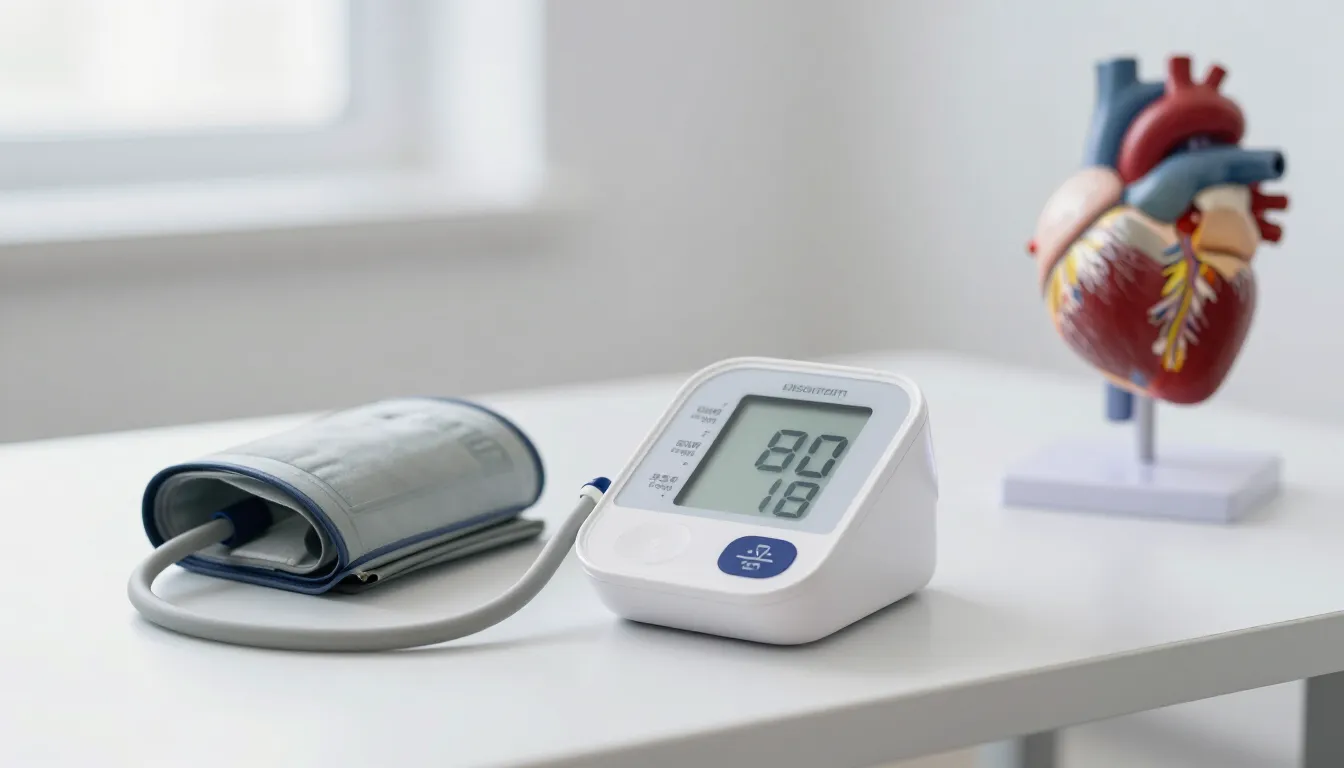
High blood pressure (hypertension) is one of the most common long-term conditions in adults, and one of the most important to get right. It rarely causes symptoms, yet over years it silently strains the heart, damages blood vessels and raises the risk of heart attack, stroke, kidney disease and other serious problems. The same is true of cholesterol abnormalities and overall cardiovascular risk — they develop quietly, but they are highly treatable once identified.
This service brings together the diagnosis, monitoring and treatment of high blood pressure, cholesterol and lipid problems, and the broader assessment of your long-term cardiovascular risk. The aim is not simply to bring a number into range, but to reduce your real risk of heart attack, stroke and kidney damage — using a plan built around your age, reports, lifestyle and other conditions.
High blood pressure and cardiovascular risk
Blood pressure is the force with which blood pushes against the walls of your arteries as the heart pumps. When this pressure stays consistently above the healthy range, the heart works harder, artery walls thicken and stiffen, and the small vessels supplying the brain, kidneys and eyes can be damaged. High blood pressure is therefore not just a number — it is a major driver of cardiovascular risk, and treating it well is one of the most effective ways to protect the heart and brain.
Cardiovascular risk is the combined likelihood of having a heart attack, stroke or other circulation problem over the coming years. It depends on several factors working together — blood pressure, cholesterol, blood sugar, weight, smoking, age and family history. This is why a meaningful assessment looks at the whole picture rather than any single reading, and why treatment is often a combination of lifestyle measures and medicines tailored to your overall risk, not just one abnormal value.
Common patient concerns
- “My blood pressure was high once — do I have hypertension?” A single high reading is not enough; the diagnosis is based on repeated or monitored readings over time.
- “I feel fine, so why treat it?” High blood pressure causes no symptoms in most people — that is exactly why it must be measured and treated before damage occurs.
- “Do I need medicines for life?” Many people need long-term medication, but doses can often be reduced, and in some cases medicines can be reviewed as weight and lifestyle improve.
- “My readings are high at the clinic but normal at home.” This is common (white-coat effect) and is one reason home or ambulatory monitoring is used.
- “My blood pressure is still high despite several tablets.” Resistant and uncontrolled hypertension need a careful review of causes, medicines and adherence.
- “Is my cholesterol dangerous?” Cholesterol is one part of risk; it is interpreted alongside blood pressure, sugar and other factors, not in isolation.
Symptoms and warning signs
Most people with high blood pressure or raised cholesterol feel entirely well and have no symptoms at all — these are found on measurement, not by how you feel. This is why routine checking matters, especially after the age of 40, during diabetes or kidney reviews, and whenever cardiovascular risk is being assessed.
When blood pressure rises very high or very quickly, some people experience headaches (often early morning), dizziness, blurred vision, chest discomfort, shortness of breath or nosebleeds. Very high readings with these features need prompt medical attention. Chest pain, sudden weakness or numbness, slurred speech or loss of vision are emergency symptoms — seek immediate care.
Blood pressure evaluation
A proper evaluation is based on accurate, repeated measurements — not a single reading. Dr. Nayak confirms the diagnosis using clinic readings, home monitoring records or a 24-hour ambulatory recording where appropriate, and looks for any underlying cause, related conditions (diabetes, kidney disease, cholesterol) and evidence of any organ already affected.
Risk factors
- Age — risk rises with age, especially after 55 in men and 65 in women.
- Family history of high blood pressure, early heart disease or stroke.
- Overweight, especially abdominal (belly) fat.
- High salt intake, low fruit and vegetable intake, excess alcohol.
- Physical inactivity and prolonged sitting.
- Diabetes, kidney disease, sleep apnoea or thyroid disorders.
- Smoking and use of certain medicines or painkillers.
- Cholesterol abnormalities and metabolic syndrome.
Medical assessment
Your assessment includes a review of symptoms, full medical and family history, current medicines and lifestyle, and a physical examination. Particular attention is paid to any features suggesting a secondary cause of high blood pressure, any signs of existing heart or kidney involvement, and an overall cardiovascular risk estimate.
Relevant investigations
- Repeated clinic blood pressure readings, and home or 24-hour ambulatory monitoring where needed.
- Blood tests — kidney function, electrolytes, blood sugar, cholesterol and lipid profile, and thyroid where indicated.
- Urine test for protein/albumin, an early marker of kidney strain.
- ECG (heart tracing) and, where indicated, echocardiogram or other cardiac tests.
- Eye examination in selected cases, to look for vessel changes.
Long-term cardiovascular risk assessment
Beyond treating individual numbers, your overall cardiovascular risk is estimated using validated risk tools that combine age, sex, blood pressure, cholesterol, smoking status and other factors. This gives a clearer picture of your real likelihood of a heart attack or stroke over the next several years, and helps decide how intensively each factor should be treated. A high overall risk often justifies more thorough treatment even when individual numbers seem only mildly abnormal.
Treatment and management approach
Treatment is tailored to your overall risk, not to a single reading. For many people, lifestyle measures — salt reduction, weight loss, regular activity, healthier diet, limiting alcohol and stopping smoking — bring meaningful improvement on their own. Where medicines are needed, they are chosen to suit your age, kidney function, diabetes status and any other conditions, started at sensible doses and adjusted gradually. The goal is steady, sustained control rather than rapid changes that cause side effects.
Lifestyle and risk reduction
- Reduce salt — limit added salt, pickles, papads and processed foods.
- Maintain a healthy weight; even modest loss lowers blood pressure.
- Build regular activity into your week — brisk walking is highly effective.
- Eat more fruit, vegetables and whole grains; limit fried and processed food.
- Limit alcohol and avoid smoking.
- Manage stress and protect adequate sleep.
Monitoring and follow-up
Blood pressure and cholesterol are managed over time, not fixed at one visit. Home readings, periodic clinic checks and repeat blood tests track whether treatment is working and allow timely adjustment. Follow-up intervals depend on your control and overall risk, and medicines are reviewed regularly to confirm each is still needed and correctly dosed.
When medical consultation is important
- Repeatedly high readings at home or the clinic.
- Newly detected high blood pressure that needs confirming and assessing.
- Blood pressure that remains high despite treatment (uncontrolled or resistant).
- Very high readings with headache, chest pain, breathlessness or visual symptoms.
- Abnormal cholesterol or lipid profile on a health check.
- Diabetes, kidney disease or thyroid disorder alongside high blood pressure.
- A desire for a careful review of your current blood-pressure or cholesterol medicines.
In-clinic and teleconsultation
Consultations are available both in-clinic in Bhubaneswar and over teleconsultation, so ongoing blood-pressure and cardiovascular-risk review is easy to maintain. A flat ₹500 fee applies to either format. Use any “Book an appointment” button on this page to schedule your visit.
Conditions we treat
Conditions and Problems We Help With
Tap any topic below to read a patient-friendly explanation and learn how Dr. Nayak approaches it.
Explore more
Connected care areas
Take action now
Schedule your consultation today with Dr. Nayak
Don't wait to get the healthcare you deserve. Book your appointment in just a few clicks.