
Digestive Problems
Food Poisoning
Illness from contaminated food — sudden onset of diarrhoea and vomiting, hydration, when antibiotics help, and links to fever and infectious diseases.
Overview
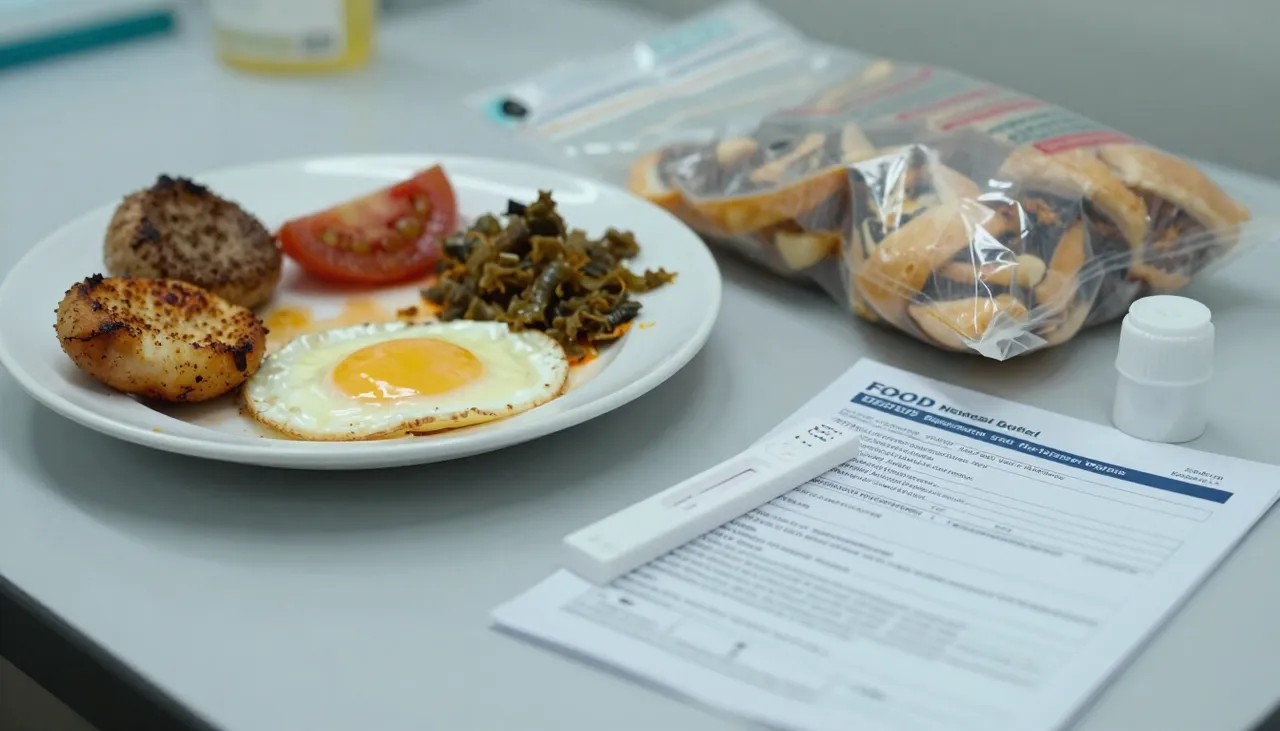
Food poisoning is illness caused by eating food or drinking water contaminated with bacteria, their toxins, or occasionally other organisms. It typically produces sudden-onset diarrhoea, vomiting, abdominal cramps and sometimes fever, beginning hours to a day after the offending meal. Most cases settle with hydration and supportive care. This is the canonical food-poisoning page, linked from both Digestive Problems and Fever & Infectious Diseases so the infection content is not duplicated.
Symptoms
Common causes
- Bacteria such as Salmonella, Campylobacter, E. coli and Staphylococcus toxins.
- Contaminated, undercooked or improperly stored food.
- Contaminated water.
- Sometimes viral causes.
Management
Management is centred on hydration with oral rehydration solution, a light diet and rest. Most cases settle without antibiotics, which are used only when a specific bacterial cause is confirmed or strongly suspected, or when symptoms are severe or prolonged. Safe food handling, proper cooking and storage, and hand hygiene prevent most episodes.
Evaluation and investigations
Most cases need no tests. A stool examination and blood tests are arranged when symptoms are severe, bloody, prolonged, or accompanied by high fever or dehydration — to identify the organism and guide treatment.
Warning signs — seek urgent care
- Signs of dehydration — dizziness, reduced urine, dry mouth, weakness.
- Blood in the stool or black, tarry stools.
- High fever with severe abdominal pain.
- Persistent vomiting preventing fluid intake.
- Symptoms not improving after a few days.
How we help
Dr. Nayak assesses severity, guides hydration, uses antibiotics appropriately, and arranges tests when needed — directing severe cases to hospital. Consultations are available in-clinic in Bhubaneswar and over teleconsultation.
Related conditions and patient concerns
Explore more
Related conditions
Explore more
Related services
Take action now
Schedule your consultation today with Dr. Nayak
Don't wait to get the healthcare you deserve. Book your appointment in just a few clicks.