
Conditions & Services
Digestive Problems
Evaluation and care of acidity, reflux, indigestion, abdominal pain, bloating, diarrhoea, constipation, IBS and other digestive concerns — to find the cause, treat correctly and protect long-term gut health.
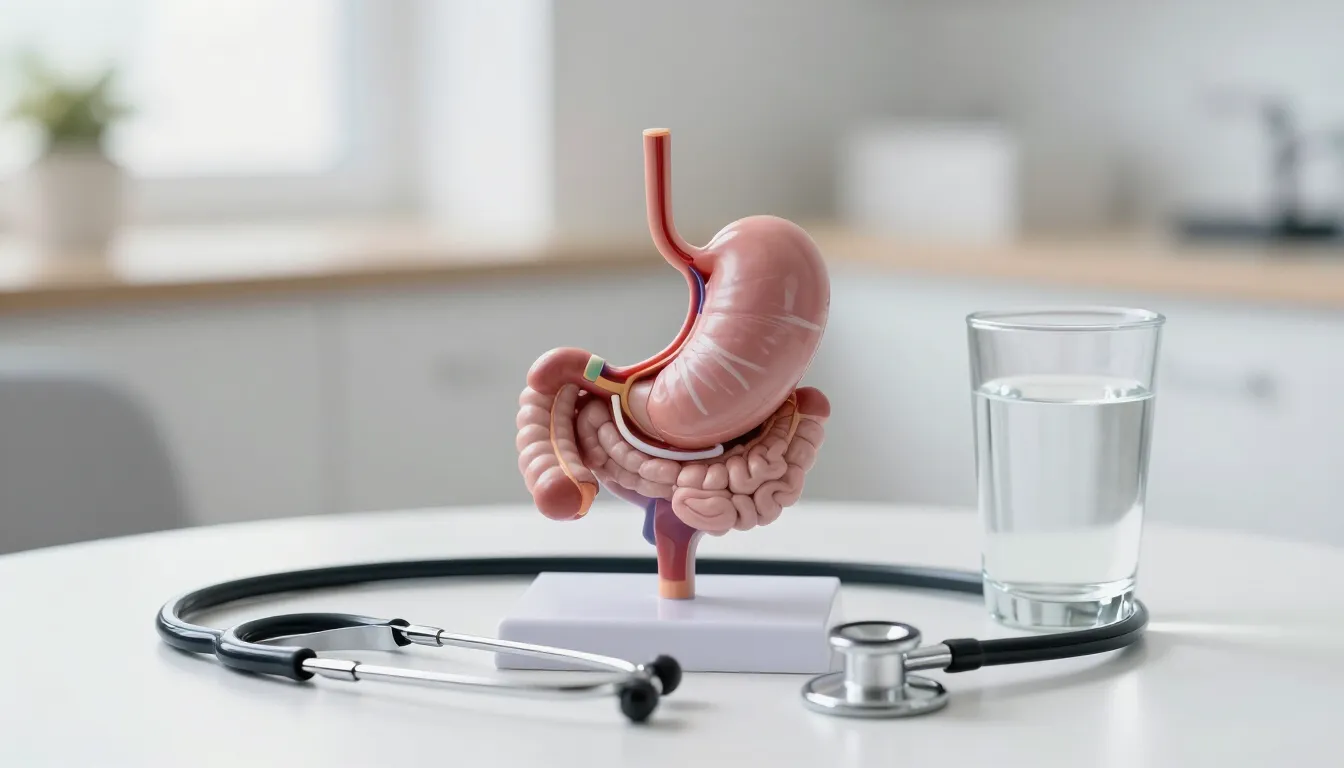
Digestive symptoms are among the most common reasons people visit a doctor. Acidity and heartburn, indigestion, abdominal pain, bloating, nausea, changes in bowel habit, diarrhoea and constipation can all disrupt daily life — and sometimes they are the first sign of a condition such as acid reflux (GERD), gastritis, a peptic ulcer or irritable bowel syndrome (IBS). The aim of this service is to find the underlying cause, treat it correctly, and help you keep your digestive system healthy over the long term.
This service covers the full range of digestive concerns seen in an Internal Medicine / General Physician practice — acidity and heartburn, acid reflux and GERD, indigestion and dyspepsia, gastritis, abdominal pain (upper and lower), bloating and gas, nausea and vomiting, diarrhoea, acute gastroenteritis and food poisoning, constipation and chronic constipation, irritable bowel syndrome, changes in bowel habit, blood in the stool, black stool, loss of appetite, unexplained weight loss with digestive symptoms, and peptic ulcer disease. Where a problem overlaps with fever and infection, liver health, diabetes, kidney health or weight, Dr. Nayak connects the care across the relevant services.
Common digestive concerns
Most people come in with one of a few common concerns: burning in the chest or upper abdomen (acidity and heartburn), a feeling of fullness or discomfort after eating (indigestion), pain in the abdomen, bloating or excess gas, nausea or vomiting, loose motions (diarrhoea), hard or infrequent stools (constipation), or a noticeable change in their usual bowel pattern. Some already carry a diagnosis of GERD or IBS and want their treatment reviewed; others have a new symptom they cannot explain. Each of these is explored in its own page below.
Abdominal pain and discomfort
Abdominal pain is one of the most frequent digestive complaints. Its meaning depends on where it is felt, how it came on, how long it has lasted, and what accompanies it. Upper abdominal pain often relates to the stomach, acid-related disease or the liver and gallbladder; lower abdominal pain may relate to the intestines, bowel habit or infection. Pain that is severe, sudden, or accompanied by bleeding, vomiting, fever or weight loss needs prompt assessment. The location-specific pages help distinguish these patterns while linking back to the central Abdominal Pain page.
Acidity, heartburn and reflux symptoms
Acidity and heartburn — a burning sensation behind the chest bone, often after meals or when lying down — are extremely common. When stomach acid repeatedly flows back into the food pipe, it is called acid reflux; when reflux is frequent or causes inflammation or complications, it is termed gastro-oesophageal reflux disease (GERD). Acidity and Heartburn is the layperson-facing page for the symptom, while Acid Reflux / GERD is the condition page — the two are closely linked but kept distinct so each answers a different question.
Bloating and indigestion
Bloating (a feeling of fullness or swelling in the abdomen) and indigestion (discomfort or fullness during or after eating) are often linked. Indigestion — medically termed dyspepsia — may be caused by acid-related disease, gastritis, ulcers, H. pylori infection, or functional (non-ulcer) dyspepsia where no structural cause is found. Indigestion / Dyspepsia is the central page for persistent indigestion-related symptoms, with Bloating and Gas and Flatulence covered as related symptom pages.
Nausea and vomiting
Nausea (feeling sick) and vomiting (being sick) can arise from many causes — gastroenteritis and food poisoning, acid-related disease, medicines, motion sickness, pregnancy, migraine, or conditions outside the gut such as high blood sugar or kidney problems. Persistent or repeated vomiting, vomiting blood, or vomiting with severe abdominal pain or dehydration needs prompt assessment. Nausea and Vomiting are covered as separate pages because each can occur alone and points to different causes.
Diarrhoea and constipation
Diarrhoea (loose or frequent stools) is most often short-lived and due to infection or food poisoning, but persistent or recurrent diarrhoea needs investigation for causes such as infection, IBS, inflammatory bowel disease or malabsorption. Constipation (hard, infrequent or difficult-to-pass stools) may be acute or chronic; Chronic Constipation is differentiated by its longer context and the search for underlying causes. Acute Gastroenteritis and Food Poisoning link to the Fever & Infectious Diseases service rather than duplicating infection content.
Changes in bowel habits
A persistent change in your usual bowel pattern — looser stools, more frequent motions, or a change in stool calibre — should not be ignored, especially when it persists beyond a few weeks or comes with bleeding, mucus or weight loss. Change in Bowel Habits is the page that frames this symptom and the reasons it warrants review. Blood in Stool and Black Stool are treated as symptoms that may require medical evaluation rather than simple self-management, because they can indicate serious conditions.
Medical evaluation
Your evaluation begins with a detailed history — the nature, location and duration of your symptoms, their relationship to food, any weight loss or bleeding, your diet and lifestyle, medicines (including painkillers that can affect the stomach), and any existing conditions such as diabetes or thyroid disease. An examination of the abdomen follows, checking for tenderness, distension or any masses. Dr. Nayak then selects the tests that will genuinely clarify the picture rather than ordering a blanket panel.
Relevant investigations
- Complete blood count — for infection, anaemia or ongoing inflammation.
- Stool examination (routine and occult blood) — for infection, parasites or hidden blood.
- Blood sugar, kidney and liver function tests — to check for diabetes, kidney or liver causes.
- H. pylori testing (breath, stool or blood) — when gastritis or ulcers are suspected.
- Abdominal ultrasound — for gallstones, liver, kidney or structural concerns.
- Upper gastrointestinal endoscopy — for persistent acidity, ulcers, gastritis or alarm features.
- Colonoscopy — for persistent change in bowel habit, bleeding or suspected lower gut disease.
- Coeliac and other specific tests when malabsorption is suspected.
Treatment and management approach
Treatment is tailored to the cause. Acid-related symptoms are managed with acid-suppressing medicines, H. pylori eradication where confirmed, and lifestyle measures. Infections are treated with appropriate hydration and, where a bacterial cause is confirmed, targeted antibiotics — while avoiding unnecessary antibiotics for viral gastroenteritis. IBS is managed with a combination of symptom-directed treatment, diet and lifestyle measures. Constipation is addressed with fibre, fluids and treating any underlying cause. The principle is to treat specifically, to use endoscopy and antibiotics only when they are genuinely indicated, and to arrange prompt further care when warning features are present.
Diet and lifestyle measures
Many digestive problems improve substantially with practical measures: eating regular, balanced meals; avoiding excessive spicy, fried or fatty food; limiting tea, coffee and alcohol; not lying down soon after meals; staying well hydrated; eating enough fibre from fruits, vegetables and whole grains; and regular physical activity. For reflux, raising the head of the bed and avoiding late meals helps. For IBS, identifying personal trigger foods matters. These measures are woven into every management plan alongside any medicines.
Warning signs and when urgent medical evaluation is important
- Vomiting blood or material that looks like coffee grounds — emergency.
- Passing black, tarry stools or obvious blood in the stool — needs prompt assessment.
- Severe or sudden abdominal pain, especially with a rigid abdomen — emergency.
- Persistent vomiting with signs of dehydration (dizziness, reduced urine, dry mouth).
- High fever with abdominal pain, vomiting or bloody diarrhoea.
- Unintended weight loss or persistent loss of appetite with digestive symptoms.
- Difficulty or pain on swallowing, or food getting stuck.
- A persistent change in bowel habit lasting beyond a few weeks.
- Yellowing of the eyes or skin (jaundice) with digestive symptoms.
In-clinic and teleconsultation
Consultations are available both in-clinic in Bhubaneswar and over teleconsultation. Stable acidity, IBS follow-up, mild bloating or constipation often suit teleconsultation, while new or severe abdominal pain, bleeding, persistent vomiting, weight loss or difficulty swallowing are best assessed in person with examination and tests. A flat ₹500 fee applies to either format. Use any “Book an appointment” button on this page to schedule your visit.
Conditions we treat
Conditions and Problems We Help With
Tap any topic below to read a patient-friendly explanation and learn how Dr. Nayak approaches it.
Explore more
Connected care areas
Take action now
Schedule your consultation today with Dr. Nayak
Don't wait to get the healthcare you deserve. Book your appointment in just a few clicks.