
Conditions & Services
Liver & Fatty Liver Health
Evaluation and care of fatty liver, abnormal liver enzymes and liver function tests, jaundice and metabolic liver health — to find the cause, treat correctly and protect long-term liver health.
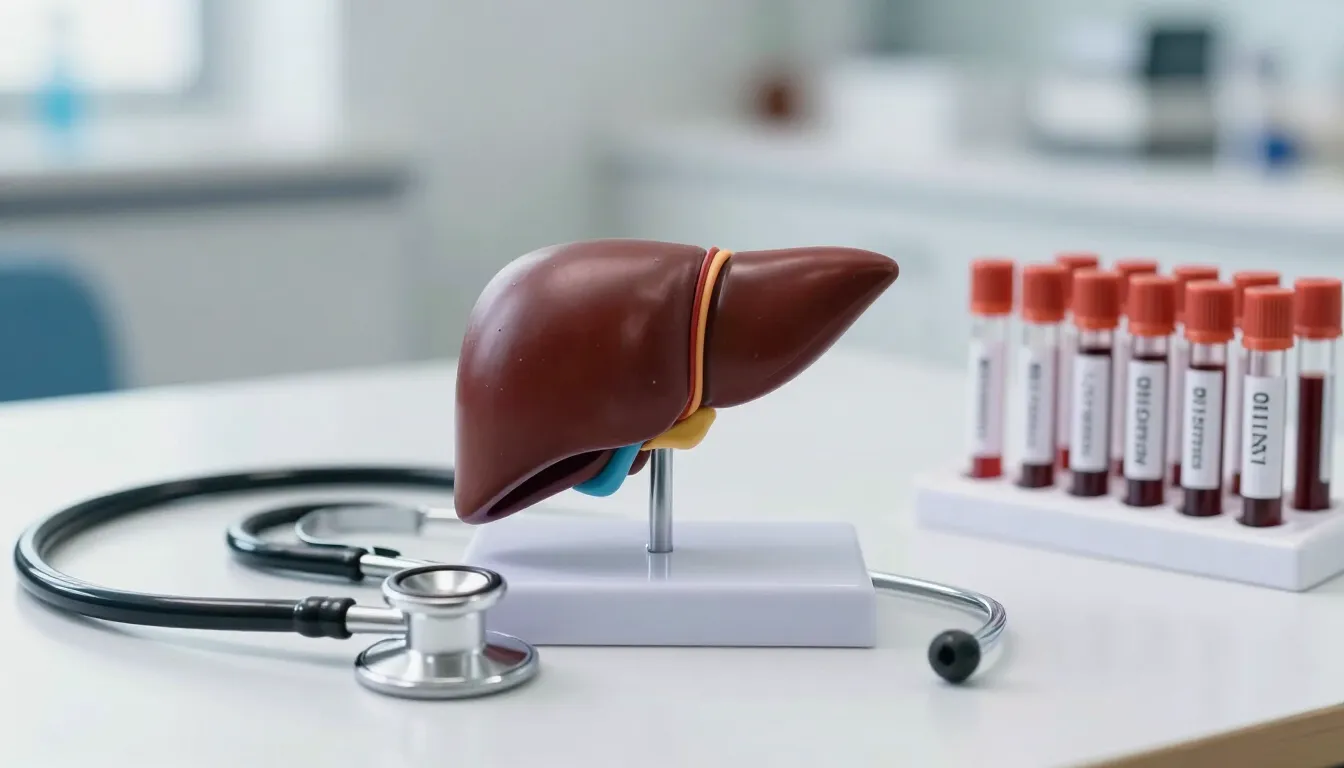
The liver is one of the body’s hardest-working organs — it processes nutrients, filters toxins, makes proteins, and helps regulate blood sugar, cholesterol and digestion. Because it does so much, and because it does not “ache” the way other organs do, liver problems often develop silently and are picked up only on a routine blood test or ultrasound. The aim of this service is to find out why a liver result is abnormal, treat the underlying cause correctly, and help you keep your liver healthy over the long term.
This service covers the full range of liver-related concerns seen in an Internal Medicine / General Physician practice — fatty liver and its modern name MASLD (metabolic dysfunction-associated steatotic liver disease), elevated ALT and AST, abnormal liver function tests, elevated liver enzymes, an enlarged liver (hepatomegaly), jaundice and elevated bilirubin, liver-related abdominal discomfort, the links between fatty liver and diabetes or obesity, fatty liver diet and lifestyle, metabolic syndrome and liver health, liver fibrosis risk assessment, and the abnormal ultrasound that shows fatty liver. Where a problem overlaps with diabetes, weight, blood pressure, digestion or abnormal test results, Dr. Nayak connects the care across the relevant services.
Common liver-related concerns
Most people come in for one of a few reasons: a blood test showing raised liver enzymes (ALT or AST), an ultrasound report mentioning “fatty liver” or “hepatomegaly”, a bilirubin that is high or eyes that look yellow (jaundice), or vague fullness or discomfort in the upper-right abdomen. Some already carry a diagnosis of fatty liver and want to know how far it has progressed; others have no symptoms at all and are simply worried by an abnormal report. Each of these is explored in its own page below.
Fatty liver and metabolic health
Fatty liver — extra fat stored within the liver — has become one of the commonest liver findings worldwide, closely tied to being overweight, an inactive lifestyle, type 2 diabetes, high blood pressure and abnormal cholesterol. The current medical term is metabolic dysfunction-associated steatotic liver disease (MASLD), which replaces the older label “non-alcoholic fatty liver disease” (NAFLD). For most people fatty liver is mild and stable, but in some it can progress to inflammation and scarring (fibrosis), so identifying who is at risk of progression is a central part of care. The Fatty Liver page is the central, general explanation; MASLD is the same condition described in current terminology, and the two are closely linked.
Abnormal liver enzymes and liver function tests
A “liver function test” panel usually includes enzymes (ALT and AST), markers of bile flow (ALP and GGT), and bilirubin and proteins (albumin). Raised ALT or AST usually points to liver-cell irritation; raised ALP or bilirubin may point to a bile-flow or obstruction problem; and a low albumin or raised bilirubin with easy bruising can indicate longer-standing liver disease. A single mildly abnormal value is often not serious, but persistent or significant abnormalities need a structured assessment to find the cause. Elevated ALT and Elevated AST are separate pages focused on each test result, while Abnormal Liver Function Tests and Elevated Liver Enzymes give the broader overview — they are kept distinct so each answers a different question without repeating the same text.
Common symptoms and patient concerns
Early liver disease often causes no symptoms at all. When symptoms do appear they may include tiredness, a dull ache or fullness in the upper-right abdomen, loss of appetite, nausea, or — in more significant disease — yellowing of the eyes or skin (jaundice), dark urine, pale stools, itching, swelling of the legs or abdomen, or easy bruising. Many of these are not specific to the liver, which is why blood tests and imaging are so important. Liver-related Abdominal Discomfort is the page that frames the upper-abdominal symptom, while Jaundice and Elevated Bilirubin cover the yellowing and its test counterpart.
Medical evaluation
Your evaluation begins with a detailed history — the exact abnormal result, when it was found, any symptoms, your alcohol intake, medicines and supplements, weight and diet, and any existing conditions such as diabetes, high blood pressure or cholesterol. An examination follows, checking for any liver enlargement, tenderness, jaundice or signs of long-standing liver disease. Dr. Nayak then selects the tests that will genuinely clarify the picture — repeating or extending the blood panel, looking for viral hepatitis, checking metabolic markers, and arranging imaging — rather than ordering a blanket panel.
Relevant blood tests and imaging
- Liver function tests repeated and extended — ALT, AST, ALP, GGT, bilirubin (total and direct), albumin and total protein.
- Viral hepatitis screen — hepatitis B and C, when risk factors or unexplained abnormalities are present.
- Metabolic panel — blood sugar or HbA1c, lipid profile, and tests for insulin resistance.
- Iron studies and other specific tests — when iron overload or other less common causes are suspected.
- Autoimmune and other markers — selected when the pattern of tests suggests them.
- Abdominal ultrasound — the usual first imaging test for fatty liver, liver size and gallstones.
- Fibrosis assessment — non-invasive scores (FIB-4), elastography (FibroScan) or, in selected cases, further imaging to estimate scarring.
Metabolic risk factors
Most fatty liver and many abnormal liver tests today are driven by metabolic risk — being overweight, especially carrying extra weight around the waist, type 2 diabetes or prediabetes, high blood pressure, high triglycerides and low HDL cholesterol. Together these features make up metabolic syndrome, which raises the risk not only of progressive liver disease but also of heart attacks and strokes. Addressing these risks together — rather than treating the liver in isolation — is the most effective way to protect both the liver and the cardiovascular system. Metabolic Syndrome and Liver Health explores this overlap in detail.
Treatment and management approach
Treatment is directed at the cause. For metabolic fatty liver (MASLD), the cornerstone is gradual weight loss, regular physical activity, and good control of diabetes, blood pressure and cholesterol — measures that often improve liver fat and inflammation substantially. Alcohol-related liver disease requires stopping alcohol, with support. Medicines that can irritate the liver are reviewed and adjusted where possible. Specific conditions such as viral hepatitis have targeted treatments. The principle is to treat specifically, to avoid unnecessary supplements and “liver tonics” that can themselves stress the liver, and to arrange prompt further care when significant disease or warning features are present.
Diet, weight and lifestyle measures
For most people with fatty liver, lifestyle is the most powerful treatment. A practical plan includes gradual weight loss (around 5–10% of body weight for those who are overweight), regular aerobic and resistance activity, a balanced diet rich in vegetables, fruits, whole grains and lean protein, cutting back on refined sugar and sugary drinks, limiting fried and processed food, and avoiding alcohol. There is no single “liver diet” that works for everyone, and crash diets can actually worsen liver inflammation — so the plan is built around your routine and reviewed over time. Fatty Liver Diet and Lifestyle is the dedicated practical page.
Long-term liver health
Liver health is maintained over years, not weeks. For most people with mild fatty liver this means periodic re-testing of liver enzymes, repeat imaging when needed, and ongoing management of weight, sugar and cholesterol. For those with evidence of fibrosis, closer monitoring and a structured plan to prevent progression are important. The Liver Fibrosis Risk Assessment page explains how scarring is estimated non-invasively. Because the same metabolic risks that harm the liver also harm the heart and blood vessels, long-term liver care is best delivered together with cardiovascular risk management.
Warning signs and when urgent medical evaluation is important
- Yellowing of the eyes or skin (jaundice), especially with dark urine or pale stools — needs prompt assessment.
- Persistent or severe pain in the upper-right abdomen, especially with fever — emergency.
- Vomiting blood or passing black, tarry stools — emergency.
- Swelling of the abdomen (ascites) or legs with weight gain and breathlessness.
- Easy bruising, bleeding gums or prolonged bleeding — needs prompt assessment.
- Confusion, drowsiness or marked drowsiness with known liver disease — emergency.
- A sudden, large rise in liver enzymes or bilirubin on testing.
- Persistent loss of appetite, nausea or unintended weight loss with liver abnormalities.
In-clinic and teleconsultation
Consultations are available both in-clinic in Bhubaneswar and over teleconsultation. Review of an abnormal liver report, fatty liver follow-up, and diet-and-lifestyle planning often suit teleconsultation, while new jaundice, significant abdominal pain, swelling or a markedly abnormal panel are best assessed in person with examination and tests. A flat ₹500 fee applies to either format. Use any “Book an appointment” button on this page to schedule your visit.
Conditions we treat
Conditions and Problems We Help With
Tap any topic below to read a patient-friendly explanation and learn how Dr. Nayak approaches it.
Explore more
Connected care areas
Take action now
Schedule your consultation today with Dr. Nayak
Don't wait to get the healthcare you deserve. Book your appointment in just a few clicks.