
Migraine, Headache & Neurological Symptoms
Migraine
The canonical page for migraine — recurrent moderate-to-severe headaches, often one-sided with nausea and sensitivity to light or sound, their phases, triggers, evaluation and management.
Overview
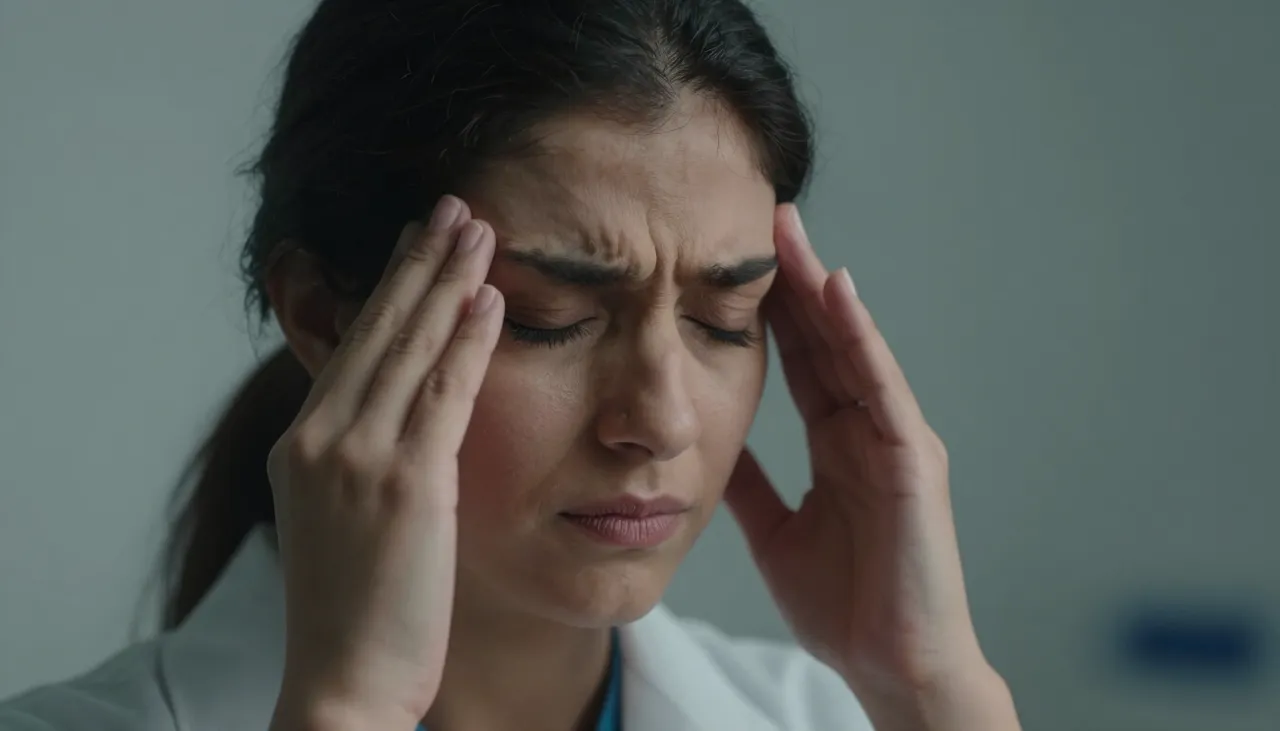
Migraine is a common neurological condition marked by recurrent attacks of moderate-to-severe headache, typically one-sided and throbbing, accompanied by nausea and sensitivity to light and sound. Attacks last from a few hours to a few days and can be disabling. It affects around one in six adults and is more common in women. Migraine is a genuine medical condition of the nervous system — not simply a “bad headache” — and with the right combination of acute and preventive treatment most people achieve substantial relief.
This is the main page for migraine. For migraine that occurs on 15 or more days a month, see Chronic Migraine; for attacks preceded by temporary visual or sensory disturbance, see Migraine with Aura; for headache as a general symptom, see Headache.
Symptoms and phases
A migraine attack may unfold in phases, though not everyone experiences all of them:
- Premonitory (hours to days before) — mood change, food cravings, neck stiffness, yawning or fatigue.
- Aura (in some) — temporary visual, sensory or speech disturbance lasting 5–60 minutes (see Migraine with Aura).
- Headache phase — moderate-to-severe, often one-sided, throbbing, worsened by movement, lasting 4–72 hours.
- Associated features — nausea, vomiting, sensitivity to light, sound and smell.
- Postdrome (after) — tiredness, difficulty concentrating or a “hangover” feeling for up to a day.
Common triggers
- Stress, or relaxation after a stressful period.
- Skipped meals, dehydration, or specific foods (aged cheese, chocolate, MSG, alcohol).
- Sleep changes — too little, too much, or irregular timing.
- Hormonal changes — menstrual periods, oral contraceptives.
- Sensory stimuli — bright or flickering light, strong smells, loud noise.
- Excessive screen time, poor posture or neck tension.
How it is diagnosed
Migraine is diagnosed from the history and examination — no scan is needed for typical attacks. The pattern of recurrent moderate-to-severe headaches with nausea and light sensitivity, in the absence of red flags, is characteristic. A neurological examination is performed to exclude other causes. Brain imaging is reserved for atypical features or warning signs (see below).
Management
Management has three parts. Acute treatment, taken at the start of an attack, includes simple painkillers, anti-nausea medicines and specific migraine medicines (triptans). Preventive treatment, taken daily, is considered when attacks are frequent (typically 4 or more headache days a month), long-lasting or disabling, and includes certain blood-pressure medicines, antidepressants, anti-epilepsy medicines or other options chosen for you. Lifestyle measures — regular sleep and meals, hydration, trigger avoidance and a headache diary — underpin both. Overusing acute painkillers (more than 2–3 days a week) can cause medication-overuse headache and is specifically avoided.
Follow-up
A headache diary helps track response to treatment. Follow-up reviews the frequency, severity and medication use, and adjusts the plan — preventive medicines are usually tried for a few months before judging benefit. The aim is fewer, shorter, milder attacks with minimal medication.
Warning signs requiring urgent care
How we help
Dr. Nayak confirms the migraine pattern, excludes warning signs and secondary causes, and builds a personalised plan combining acute relief, preventive treatment and trigger management. Contributing factors such as blood pressure, thyroid function, sleep and medication overuse are assessed. Consultations are available in-clinic in Bhubaneswar and over teleconsultation.
Related conditions and patient concerns
Explore more
Related conditions
Explore more
Related services
Take action now
Schedule your consultation today with Dr. Nayak
Don't wait to get the healthcare you deserve. Book your appointment in just a few clicks.