
Digestive Problems
Blood in Stool
Seeing blood in the stool — why this needs medical evaluation, the possible causes, and the warning signs that need urgent care.
Overview
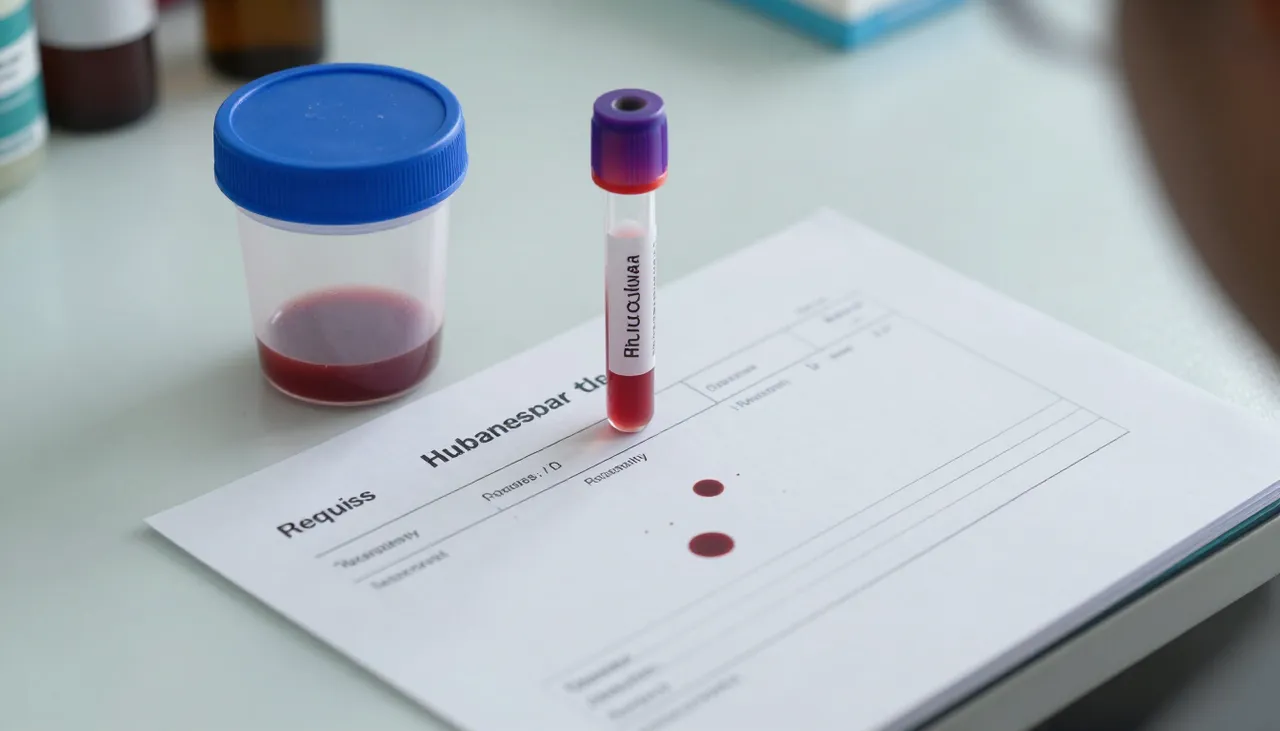
Seeing blood in the stool is a symptom that should not be treated as a simple self-management problem. Blood may be bright red on the surface of the stool or on the paper, or it may be mixed through the stool, and each pattern points to different possible causes. While many causes are benign — such as piles (haemorrhoids) or a small anal tear — bleeding can also come from polyps, inflammation or, importantly, bowel cancer. For this reason, blood in the stool warrants proper medical evaluation rather than assumption.
Possible causes
- Piles (haemorrhoids) and anal fissures — common, often bright red blood on the surface or paper.
- Gastroenteritis or infection causing bloody diarrhoea.
- Inflammatory bowel disease.
- Bowel polyps.
- Bowel cancer — an important reason not to ignore bleeding.
- Bleeding from higher in the gut, which may appear as black, tarry stools (see Black Stool).
Evaluation and investigations
Evaluation reviews the amount, colour and pattern of bleeding, any pain, weight loss, or change in bowel habit, and family history. A physical examination is performed, and a stool examination (including for hidden blood) and blood tests (checking for anaemia) are arranged. A colonoscopy is often needed to identify the source of bleeding and to exclude serious causes. Do not assume bleeding is “just piles” without assessment.
Management
Management treats the identified cause — simple measures for piles or fissures, specific treatment for infection or inflammation, and removal of polyps or further care for more serious findings. The key step is identifying the cause correctly rather than suppressing symptoms.
Warning signs — seek urgent care
- A large amount of blood, or bleeding that does not stop.
- Black, tarry stools — see Black Stool; needs prompt assessment.
- Bleeding with severe abdominal pain, fever or dizziness.
- Bleeding with unintended weight loss or a persistent change in bowel habit.
- Bleeding with signs of anaemia — tiredness, breathlessness, paleness.
How we help
Dr. Nayak evaluates bleeding properly, arranges the right tests, and treats the underlying cause — directing serious cases to further care. Consultations are available in-clinic in Bhubaneswar and over teleconsultation.
Related conditions and patient concerns
Explore more
Related conditions
Explore more
Related services
Take action now
Schedule your consultation today with Dr. Nayak
Don't wait to get the healthcare you deserve. Book your appointment in just a few clicks.