
Liver & Fatty Liver Health
Fatty Liver
The central, general page for fatty liver — what it is, why it happens, how it is found, what it means for your health, and how it is managed and monitored.
Overview
Fatty liver means that extra fat has built up inside the liver cells. It has become one of the commonest liver findings, and in most people it is mild and stable. In some, however, the fat can trigger inflammation and scarring (fibrosis) that, over years, may progress to more serious liver disease. The good news is that for the large majority, fatty liver improves substantially with weight loss, regular activity and good control of related conditions such as diabetes and cholesterol. This is the central, general page; the same condition described in current medical terminology is covered on the MASLD page, which links here.
How fatty liver is found
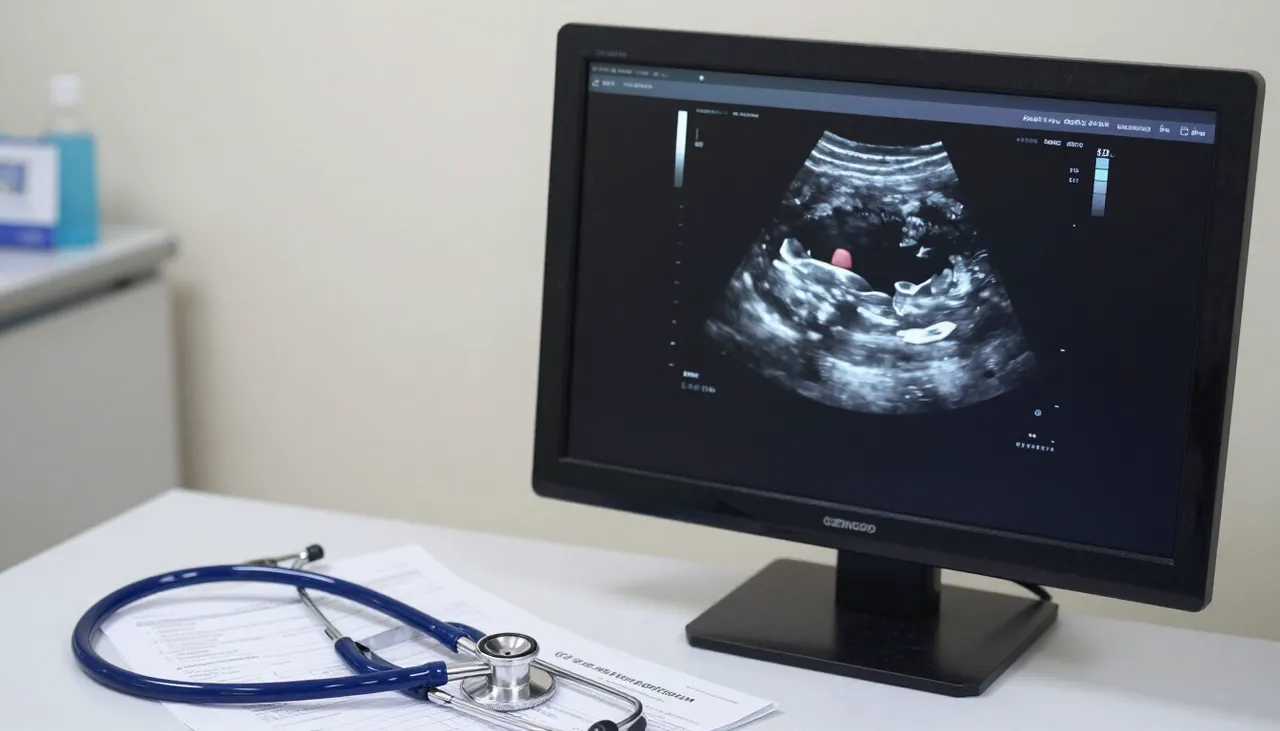
Fatty liver is usually discovered in one of two ways: an ultrasound report mentions “fatty liver” or “grade 1/2/3 fatty infiltration”, or a blood test shows mildly raised liver enzymes (ALT or AST). Many people have no symptoms at all. Because it is often picked up incidentally, the first step is confirming how much fat is present and whether there is any inflammation or scarring — which determines how closely it needs to be watched.
Common causes and associated conditions
- Being overweight, especially extra weight around the waist.
- Type 2 diabetes or prediabetes and insulin resistance.
- High triglycerides and low HDL cholesterol.
- High blood pressure and metabolic syndrome.
- Alcohol intake — a separate and important cause of fatty liver.
- Certain medicines and rapid weight loss or crash dieting.
Symptoms
Most people with fatty liver have no symptoms. Some notice tiredness or a mild, dull ache or fullness in the upper-right abdomen. Symptoms such as jaundice, swelling or easy bruising are not features of simple fatty liver and, if present, suggest more advanced disease that needs prompt assessment.
Evaluation and investigations
Evaluation includes a repeat and extended liver function test panel, blood sugar or HbA1c and a lipid profile, a viral hepatitis screen when appropriate, and an abdominal ultrasound. To estimate whether scarring is present, non-invasive tools such as the FIB-4 score and, where needed, liver elastography (FibroScan) are used. See Liver Fibrosis Risk Assessment for how scarring is estimated.
Management overview
For metabolic fatty liver, the cornerstone is gradual weight loss (around 5–10% of body weight for those who are overweight), regular physical activity, and good control of diabetes, blood pressure and cholesterol. There is no approved medicine specifically for fatty liver in routine practice; treatment is built around lifestyle and the related metabolic conditions. Alcohol should be avoided. Unnecessary supplements and “liver tonics” are best avoided, as some can themselves stress the liver.
Diet, physical activity and weight management
A practical plan includes a balanced diet rich in vegetables, fruits, whole grains and lean protein, cutting back on refined sugar and sugary drinks, limiting fried and processed food, and regular aerobic and resistance activity. Crash diets can worsen liver inflammation, so weight loss should be gradual. See Fatty Liver Diet and Lifestyle for the detailed practical guide.
Follow-up and monitoring
Most people need periodic re-testing of liver enzymes and, where indicated, repeat imaging or fibrosis assessment. Those with no scarring need only light monitoring, while those with fibrosis need a structured plan to prevent progression. Because the same risks harm the heart, long-term monitoring is best combined with cardiovascular risk management.
Warning signs — seek prompt care
- Yellowing of the eyes or skin (jaundice).
- Persistent or severe upper-right abdominal pain, especially with fever.
- Swelling of the abdomen or legs.
- Easy bruising or prolonged bleeding.
- A sudden, large rise in liver enzymes on testing.
How we help
Dr. Nayak confirms the diagnosis, estimates whether scarring is present, and builds a combined lifestyle-and-metabolic plan with regular review. Consultations are available in-clinic in Bhubaneswar and over teleconsultation.
Related conditions and patient concerns
Explore more
Related conditions
Explore more
Related services
Take action now
Schedule your consultation today with Dr. Nayak
Don't wait to get the healthcare you deserve. Book your appointment in just a few clicks.