
Liver & Fatty Liver Health
Metabolic Syndrome and Liver Health
How metabolic syndrome — the cluster of weight, sugar, blood pressure and cholesterol risks — drives fatty liver and raises cardiovascular risk, and how it is managed.
Overview
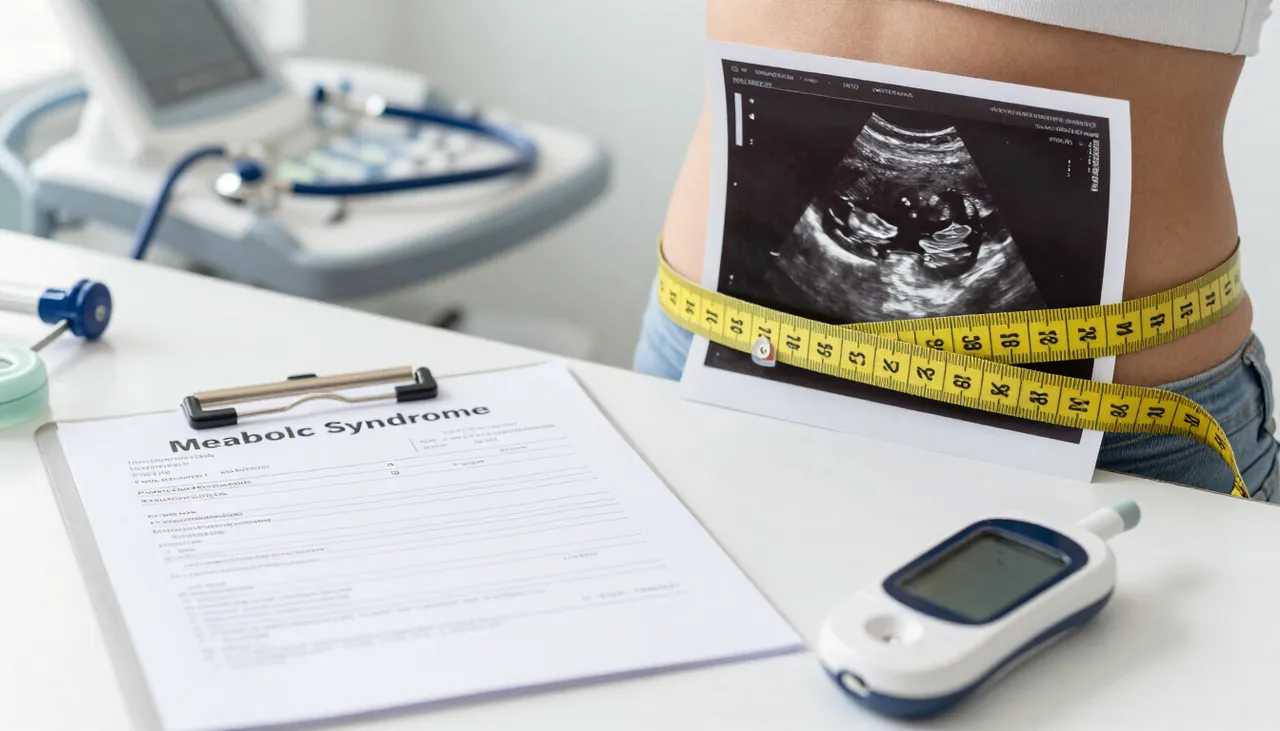
Metabolic syndrome is a cluster of related risk factors — being overweight around the waist, high blood sugar or diabetes, high blood pressure, high triglycerides and low HDL cholesterol — that tend to occur together and share a root in insulin resistance. It is the major driver of fatty liver (MASLD) today, and it also sharply raises the risk of heart attacks and strokes. This page focuses on the overlap between metabolic syndrome and liver health; the individual components are covered on their own service pages.
The components of metabolic syndrome
- A large waist circumference — extra weight around the abdomen.
- Prediabetes or type 2 diabetes, or raised fasting blood sugar.
- High blood pressure.
- High triglycerides.
- Low HDL cholesterol.
Having three or more of these together is usually called metabolic syndrome. Each factor alone raises risk; together they multiply it — for both progressive liver disease and cardiovascular disease.
How it affects the liver
Insulin resistance, the shared root of metabolic syndrome, promotes fat being stored in the liver. That liver fat can progress to inflammation and fibrosis, particularly when several metabolic risks are present. People with metabolic syndrome are therefore at higher risk of progressive MASLD and need fibrosis risk assessment — see Liver Fibrosis Risk Assessment.
Why cardiovascular risk matters too
For most people with metabolic fatty liver, the bigger near-term risk is cardiovascular — heart attacks and strokes — rather than liver failure. So managing metabolic syndrome means protecting both the liver and the heart at the same time, with attention to blood pressure, cholesterol, blood sugar and weight together.
Evaluation
Evaluation includes measuring waist circumference and blood pressure, a liver function test panel, blood sugar or HbA1c, a full lipid profile, and an abdominal ultrasound with a fibrosis risk estimate. A cardiovascular risk assessment is done alongside. See Hypertension & Cardiovascular Risk for the cardiovascular side.
Management together
Management addresses all the components at once: gradual weight loss and regular activity, a balanced diet low in refined sugar and saturated fat, good control of blood sugar, blood pressure and cholesterol, and alcohol avoidance. Because the same measures help the liver, the heart and the metabolism, a single coordinated plan is more effective than treating each problem in isolation.
Warning signs — seek prompt care
- Jaundice, dark urine or pale stools.
- Persistent or severe upper-right abdominal pain with fever.
- Chest pain, breathlessness or palpitations — cardiovascular emergency.
- A sudden, large rise in liver enzymes.
How we help
Dr. Nayak coordinates liver and metabolic care together — assessing liver status and fibrosis risk alongside blood sugar, blood pressure and cholesterol — in one combined plan with regular review. Consultations are available in-clinic in Bhubaneswar and over teleconsultation.
Related conditions and patient concerns
Explore more
Related conditions
Explore more
Related services
Take action now
Schedule your consultation today with Dr. Nayak
Don't wait to get the healthcare you deserve. Book your appointment in just a few clicks.