
Abnormal Test Results
High Triglycerides
A raised triglyceride level — what it means, the common reasons from diet and alcohol to diabetes and metabolic factors, why it is read in context, and when medical evaluation is important.
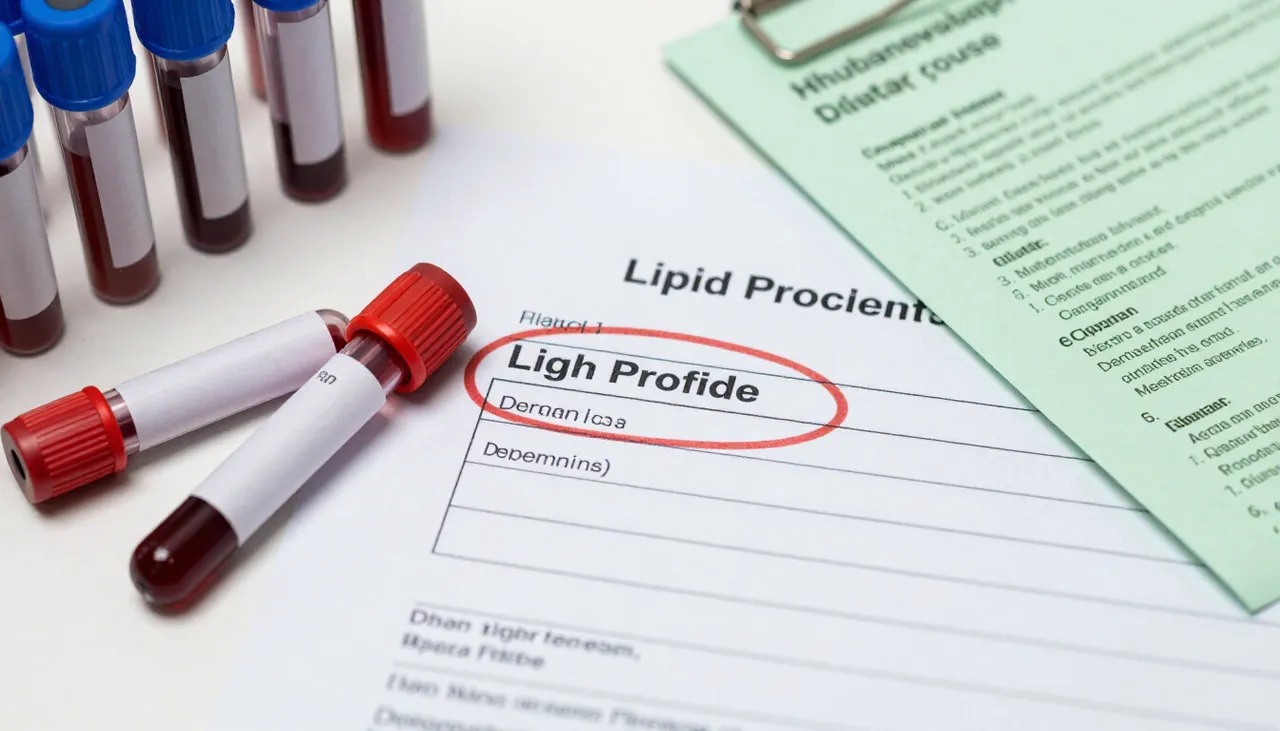
What does this result mean?
Triglycerides are a type of fat (lipid) carried in the blood, used to store and transport energy from food. A triglyceride level above the reference range is a common finding on a lipid profile. Mildly raised levels are frequent and often lifestyle-related; very high levels (markedly raised) carry a small risk of inflammation of the pancreas and also signal raised cardiovascular and metabolic risk. Triglycerides are read alongside total cholesterol, LDL, HDL, blood sugar and overall cardiovascular risk — not as a standalone number.
Common reasons for the abnormal result
- Recent food or alcohol before the test — triglycerides rise sharply after eating, so a non-fasting sample can appear high.
- A diet high in refined carbohydrates, sugars, fried foods or alcohol.
- Overweight and physical inactivity.
- Type 2 diabetes or prediabetes — often with high blood sugar or HbA1c.
- An under-active thyroid (hypothyroidism).
- Certain medicines — steroids, diuretics, some blood-pressure medicines, hormone therapy.
- Kidney disease, liver disease or fatty liver.
- Genetic (inherited) lipid disorders, usually with very high levels and a family history.
Why results must be interpreted in clinical context
A single high triglyceride reading — especially from a non-fasting sample — may simply reflect a recent meal or alcohol and is often lower on a repeat fasting test. The level that matters for long-term risk is the fasting value, taken in context with cholesterol, blood sugar, blood pressure, weight, family history and existing conditions. A high triglyceride result is not a diagnosis on its own; it is a signal to repeat the test correctly and assess overall metabolic and cardiovascular risk.
Relevant associated symptoms
Raised triglycerides themselves cause no symptoms until very high, when they may be linked to abdominal pain from pancreas inflammation. The symptoms that matter are those of the underlying cause — thirst and frequent urination pointing to diabetes, weight gain, tiredness or cold intolerance pointing to an under-active thyroid, and swelling or foamy urine pointing to kidney involvement. Most people with raised triglycerides feel entirely well, which is why the result is found on testing rather than from symptoms.
Other tests that may be considered
A repeat fasting lipid profile is usually the first step. Depending on the level and the likely cause, further tests may include blood sugar or HbA1c for diabetes, liver function tests for fatty liver, kidney function, thyroid function (TSH), and a full cardiovascular risk assessment. Very high triglycerides may prompt a check for genetic lipid disorders.
When repeat testing may be appropriate
If the first sample was non-fasting or taken after alcohol, a repeat fasting triglyceride after a few weeks of ordinary eating is appropriate. Persistent fasting elevation warrants medical evaluation rather than repeated self-testing.
When medical evaluation is important
Medical evaluation is important when fasting triglycerides remain raised, when they are very high (markedly raised), when they accompany high cholesterol, high blood sugar, high blood pressure or a family history of early heart disease, or when there is abdominal pain with a very high level. Markedly raised triglycerides with severe abdominal pain needs urgent attention.
Related conditions
Related services
Explore more
Related conditions
Explore more
Related services
Take action now
Schedule your consultation today with Dr. Nayak
Don't wait to get the healthcare you deserve. Book your appointment in just a few clicks.