
Liver & Fatty Liver Health
Elevated Bilirubin
Focused on the abnormal bilirubin result — what bilirubin is, what a raised value means, common causes including harmless Gilbert’s syndrome, and the assessment.
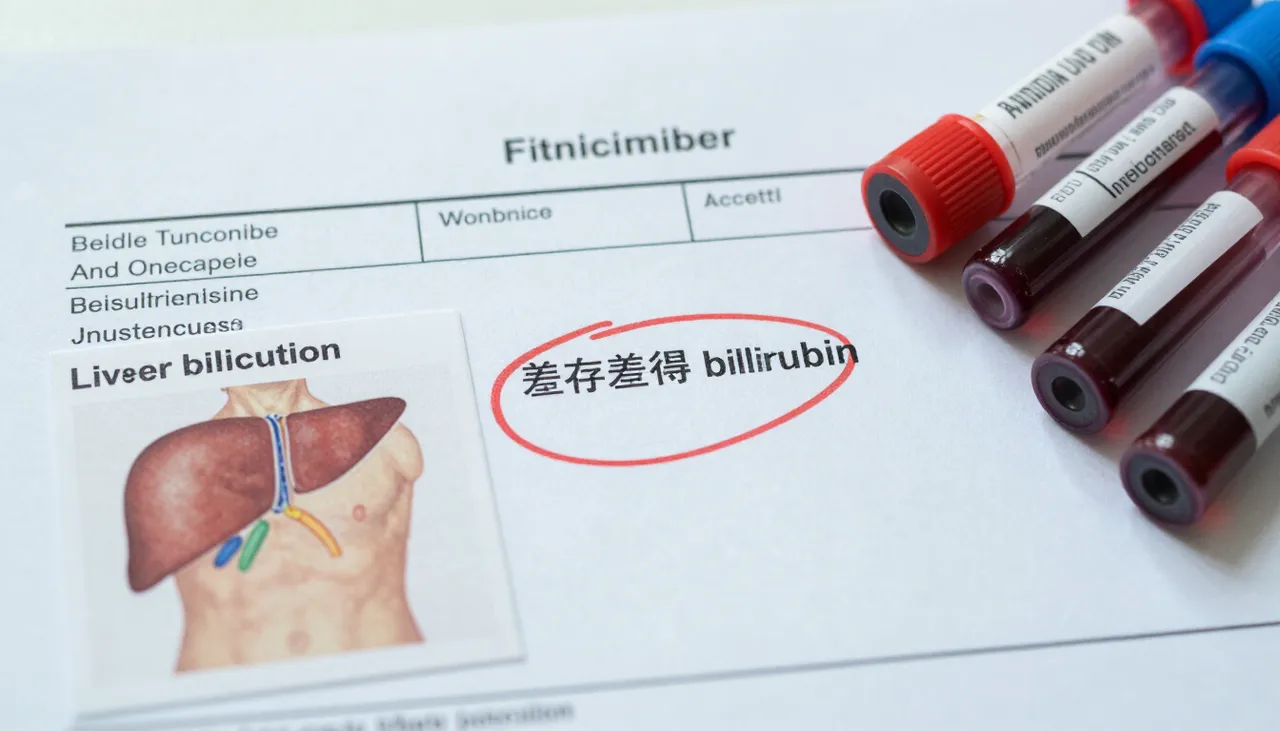
Overview
Bilirubin is a yellow substance produced when old red blood cells are broken down and normally cleared by the liver. A raised bilirubin shows up on a blood test and, when high enough, causes jaundice. Importantly, not every raised bilirubin means liver disease — a common, harmless inherited condition called Gilbert’s syndrome can cause a mildly raised bilirubin with otherwise normal liver tests. This page focuses on the test result; jaundice as a symptom is covered on the Jaundice page.
Direct vs indirect bilirubin
Bilirubin is reported as total, direct (conjugated) and indirect (unconjugated). A predominantly raised indirect bilirubin often points to increased red-cell breakdown or Gilbert’s syndrome. A predominantly raised direct bilirubin usually points to a liver or bile-flow problem such as gallstones, bile-duct obstruction, or liver disease. Reading the split, alongside the rest of the liver panel, is the key to interpretation.
Common causes
- Gilbert’s syndrome — a common, harmless inherited cause of mildly raised indirect bilirubin.
- Gallstones or bile-duct obstruction — raised direct bilirubin.
- Viral hepatitis and other liver disease.
- Alcohol-related liver disease.
- Increased red-cell breakdown (haemolysis) — raised indirect bilirubin.
- Medicines that can affect bilirubin handling.
Evaluation and investigations
Evaluation includes a repeat bilirubin with the direct/indirect split, a full liver function test panel, a complete blood count, and tests for red-cell breakdown when an indirect pattern is present. An abdominal ultrasound is arranged when a liver or bile-flow cause is suspected. A mildly raised indirect bilirubin with otherwise normal tests often confirms Gilbert’s syndrome, which needs no treatment.
Management overview
Management is directed at the cause. Gilbert’s syndrome needs only reassurance and no treatment. Gallstones or obstruction need appropriate referral. Liver disease is treated according to its cause, and red-cell breakdown is investigated and managed accordingly. Bilirubin is re-checked over time to confirm the pattern.
Warning signs — seek prompt care
- Bilirubin rising with jaundice, dark urine or pale stools.
- Fever or abdominal pain with a raised bilirubin.
- A sudden, large rise in bilirubin.
- Easy bruising or bleeding with a raised bilirubin.
How we help
Dr. Nayak interprets the bilirubin result with its direct/indirect split, distinguishes harmless causes from those needing investigation, and builds a cause-directed plan with follow-up. Consultations are available in-clinic in Bhubaneswar and over teleconsultation.
Related conditions and patient concerns
Explore more
Related conditions
Explore more
Related services
Take action now
Schedule your consultation today with Dr. Nayak
Don't wait to get the healthcare you deserve. Book your appointment in just a few clicks.