
Urinary Problems
Dark Urine
Urine that is darker than usual — common causes from dehydration and medicines to liver and kidney-related causes, and when it needs assessment.
Overview
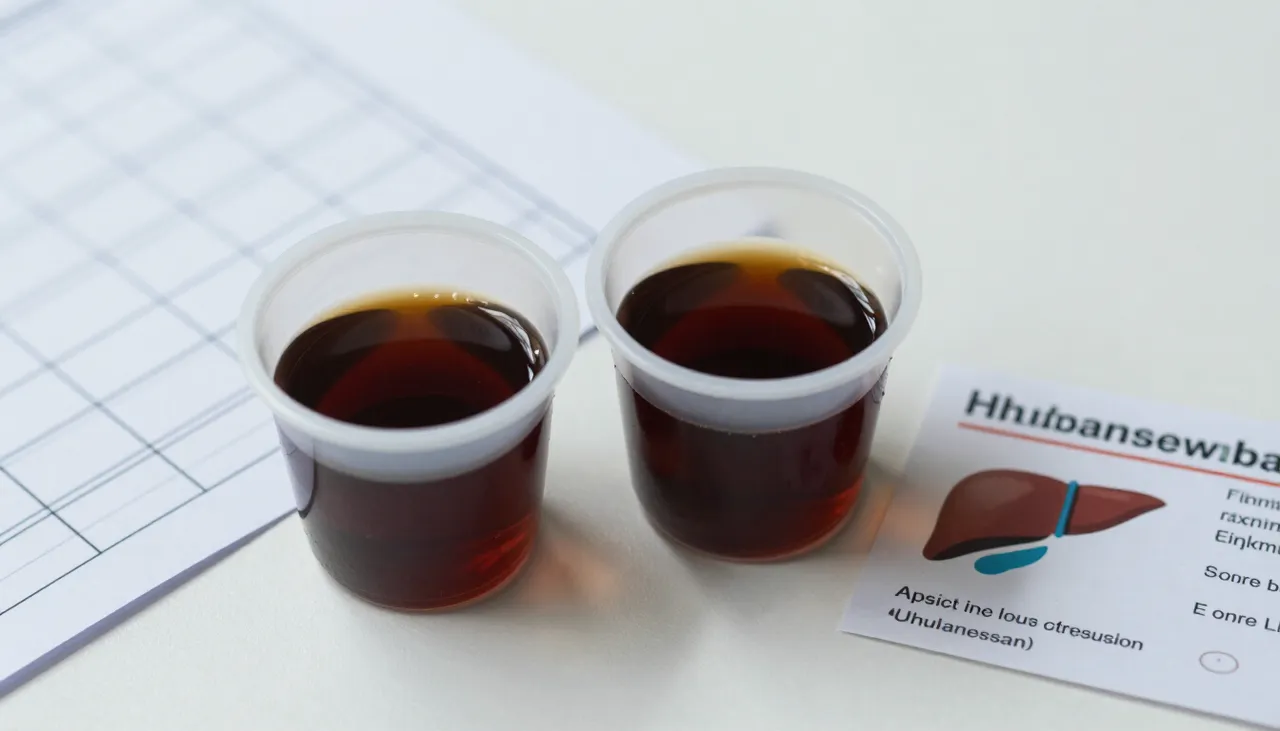
Dark urine means urine that is a deeper yellow, amber, brown or tea-coloured than usual. Often it is simply concentrated urine from dehydration or a change in diet or medicines, and it settles with hydration. Persistent or marked darkening, however, can signal a liver or kidney-related cause and needs evaluation. The colour, accompanying symptoms and any medicines help tell the harmless from the significant.
Common causes
- Dehydration — concentrated urine is the commonest cause.
- Certain foods and drinks, such as beetroot, rhubarb or food dyes.
- Medicines and supplements, including some antibiotics, laxatives and B vitamins.
- Liver-related causes — bile pigments can turn urine dark, with pale stools and jaundice.
- Blood in the urine, which can appear dark, brownish or tea-coloured.
- Muscle breakdown (rhabdomyolysis) from severe exertion or injury, producing dark urine.
- Kidney-related causes in some cases.
Symptoms and associated features
Features that point to a significant cause include yellowing of the eyes or skin (jaundice), pale stools, abdominal pain, fever, itching, vomiting, muscle pain or weakness, and a change in the amount of urine. Dark urine that persists despite good hydration, or appears with any of these features, needs prompt assessment.
Evaluation and investigations
Evaluation reviews fluids, diet, medicines and accompanying symptoms, and examines for jaundice and abdominal tenderness. Tests include urine routine and microscopy, liver function tests, kidney function tests, a complete blood count, and an ultrasound of the abdomen when liver, gallbladder or kidney causes are suspected. See Blood in Urine and Abnormal Urine Test Results.
Management overview
Management treats the cause. Dehydration-related darkening settles with hydration; medicine- or food-related causes resolve once the trigger is removed. Liver, kidney or muscle-related causes are treated specifically, with specialist referral when needed. Persistent dark urine is not ignored until a cause is found.
Follow-up and monitoring
Follow-up confirms the urine colour and any abnormal tests have returned to normal. Persistent changes are reassessed for an underlying cause.
Warning signs — seek prompt care
- Dark urine with yellowing of the eyes or skin, or pale stools — needs prompt liver assessment.
- Dark urine with fever, abdominal pain or vomiting.
- Dark, tea-coloured urine with reduced urine output.
- Dark urine after severe muscle pain or injury — urgent.
How we help
Dr. Nayak identifies whether dark urine is harmless or significant through targeted testing, treats the underlying cause, and refers for specialist liver or kidney care when needed. Consultations are available in-clinic in Bhubaneswar and over teleconsultation.
Related conditions and patient concerns
Explore more
Related conditions
Explore more
Related services
Take action now
Schedule your consultation today with Dr. Nayak
Don't wait to get the healthcare you deserve. Book your appointment in just a few clicks.