
Liver & Fatty Liver Health
Elevated ALT
Focused on the abnormal ALT result — what ALT is, what a raised value means, common causes, and the structured assessment that follows.
Overview
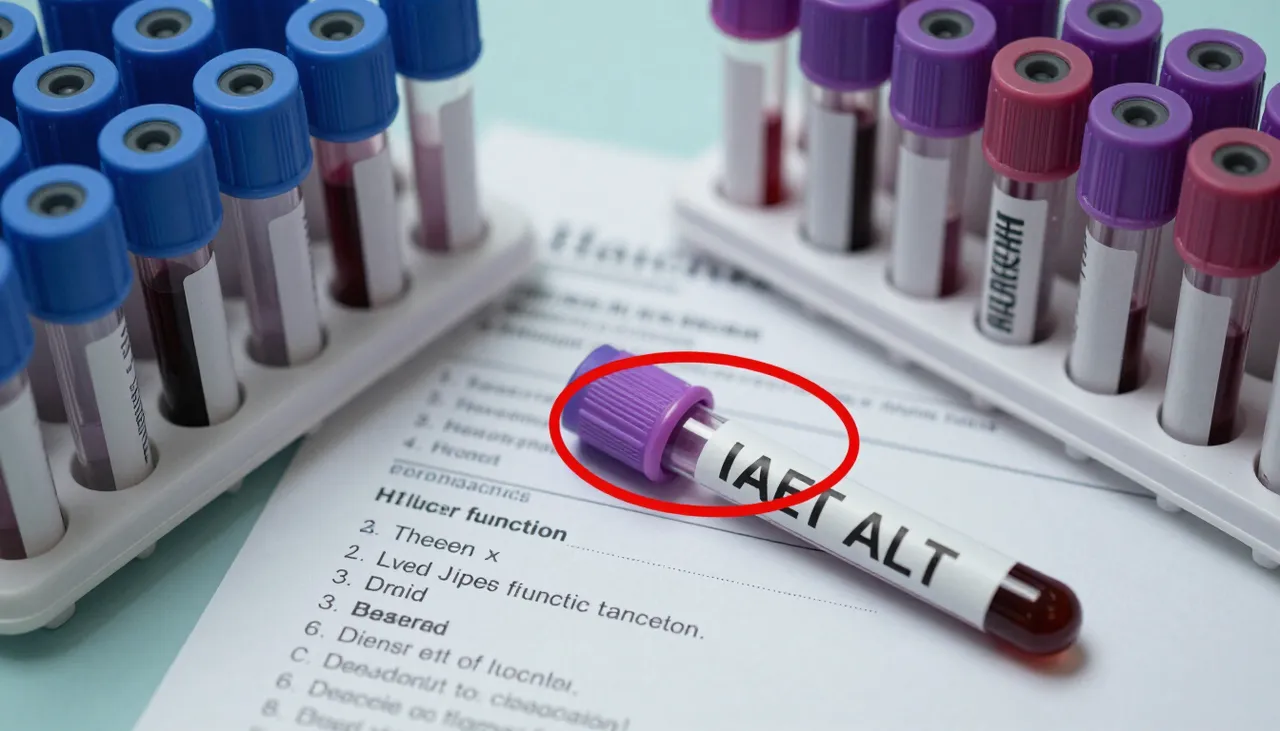
ALT (alanine aminotransferase) is an enzyme found mainly inside liver cells. When liver cells are irritated or damaged, ALT leaks into the blood, so a raised ALT is a sensitive marker of liver-cell injury. A mildly raised ALT is extremely common and often turns out to be nothing serious, but a persistent or significant rise needs a structured assessment to find the cause. This page focuses on the test result itself; the broader picture of abnormal liver testing is on the Abnormal Liver Function Tests and Elevated Liver Enzymes pages.
Common causes of a raised ALT
- Metabolic fatty liver (MASLD) — the commonest cause today.
- Alcohol-related liver irritation.
- Viral hepatitis (hepatitis B and C).
- Medicines and supplements, including over-the-counter painkillers and “liver tonics”.
- Type 2 diabetes, high cholesterol and metabolic syndrome.
- Other less common causes including iron overload and autoimmune liver disease.
What the result means
The height of the ALT and its pattern over time matter more than a single reading. A mildly raised ALT that returns to normal on repeat testing is usually reassuring; a persistently raised ALT, or one that is several times the upper limit, needs investigation. ALT is also often compared with AST — a higher AST than ALT can point to alcohol-related or more advanced disease, while a predominantly raised ALT often points to fatty liver or viral hepatitis.
Evaluation and investigations
After confirming the result with a repeat test, evaluation typically includes an extended liver panel (AST, ALP, GGT, bilirubin, albumin), blood sugar or HbA1c and a lipid profile, a viral hepatitis screen, an alcohol and medicine review, and an abdominal ultrasound. Fibrosis risk is estimated with non-invasive scores where appropriate.
Management overview
Management is directed at the cause — weight loss and metabolic control for fatty liver, alcohol cessation for alcohol-related disease, stopping or replacing an offending medicine, and specific treatment for viral hepatitis. ALT is then re-checked over time to confirm improvement. Unnecessary supplements are best avoided as they can keep ALT raised.
Warning signs — seek prompt care
- ALT many times the upper limit, especially with symptoms.
- Jaundice, dark urine or pale stools.
- Persistent or severe upper-right abdominal pain with fever.
- Easy bruising or bleeding.
How we help
Dr. Nayak interprets the ALT result in context, repeats and extends the testing, identifies the cause, and builds a cause-directed plan with follow-up re-testing. Consultations are available in-clinic in Bhubaneswar and over teleconsultation.
Related conditions and patient concerns
Explore more
Related conditions
Explore more
Related services
Take action now
Schedule your consultation today with Dr. Nayak
Don't wait to get the healthcare you deserve. Book your appointment in just a few clicks.