
Liver & Fatty Liver Health
Abnormal Liver Function Tests
The broad overview page for an abnormal liver function test panel — what the panel includes, how each part is interpreted, and the structured approach to finding the cause.
Overview
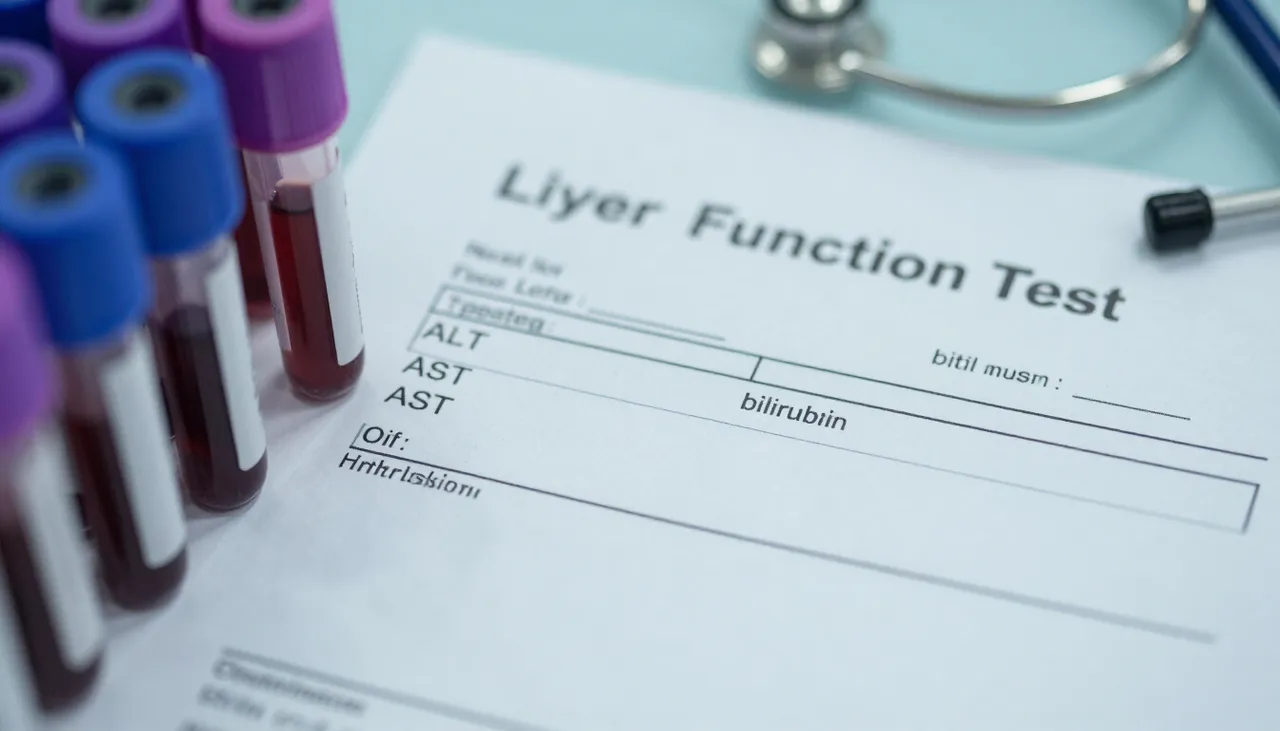
A “liver function test” (LFT) panel is a group of blood tests that together give a picture of how the liver is working. An abnormal LFT report is one of the commonest reasons people are referred for liver assessment, yet most abnormal results are mild and many turn out not to indicate serious disease. The key is a structured interpretation — looking at which part of the panel is abnormal, by how much, and whether it persists — rather than treating every raised value as a crisis. This is the broad overview page; the individual enzymes ALT and AST have their own focused pages.
What the panel includes
- ALT and AST — enzymes that rise with liver-cell irritation.
- ALP (alkaline phosphatase) and GGT — markers that rise with bile-flow or obstruction problems.
- Bilirubin (total and direct) — a waste product handled by the liver; raised in jaundice or bile-flow problems.
- Albumin and total protein — made by the liver; low albumin can indicate longer-standing disease.
- Sometimes PT/INR — a clotting test that reflects liver synthetic function.
How an abnormal panel is interpreted
The pattern matters. A predominantly raised ALT and AST points to liver-cell irritation (fatty liver, alcohol, viral hepatitis, medicines). A predominantly raised ALP and bilirubin points to a bile-flow or obstruction problem (gallstones, bile-duct disease). A low albumin with raised bilirubin and abnormal clotting can indicate long-standing liver disease. A single mildly abnormal value that normalises on repeat testing is usually reassuring; persistent or significant abnormalities need investigation.
Common causes
- Metabolic fatty liver (MASLD) — the commonest cause today.
- Alcohol-related liver disease.
- Viral hepatitis (hepatitis B and C).
- Medicines and supplements, including herbal preparations.
- Gallstones or bile-duct obstruction.
- Metabolic conditions — diabetes, high cholesterol, metabolic syndrome.
- Less common causes — iron overload, autoimmune liver disease, thyroid disease.
Evaluation and investigations
After a repeat panel, evaluation extends to an extended liver panel, blood sugar or HbA1c and a lipid profile, a viral hepatitis screen, iron studies and other selected markers, an alcohol and medicine review, and an abdominal ultrasound. Where the pattern suggests bile-duct obstruction, further imaging may be arranged. Fibrosis risk is estimated with non-invasive scores where appropriate.
Management overview
Management is directed at the cause. For metabolic fatty liver it is weight loss, activity and metabolic control; for alcohol-related disease, alcohol cessation; for medicines, review and substitution; for viral hepatitis, specific treatment; and for gallstones or obstruction, appropriate referral. The panel is re-checked over time to confirm improvement, and unnecessary supplements are avoided.
Warning signs — seek prompt care
- Jaundice, dark urine or pale stools.
- Persistent or severe upper-right abdominal pain with fever.
- Markedly abnormal clotting, easy bruising or bleeding.
- A sudden, large rise in any part of the panel.
- Confusion or drowsiness with known liver disease.
How we help
Dr. Nayak interprets the whole panel in context, repeats and extends the testing, identifies the cause, and builds a cause-directed plan with follow-up re-testing. Consultations are available in-clinic in Bhubaneswar and over teleconsultation.
Related conditions and patient concerns
Explore more
Related conditions
Explore more
Related services
Take action now
Schedule your consultation today with Dr. Nayak
Don't wait to get the healthcare you deserve. Book your appointment in just a few clicks.