
Joint, Muscle & Rheumatology
Multiple Joint Pain
When pain affects several joints at once — the patterns that distinguish inflammatory arthritis from wear-and-tear, and how a structured assessment narrows the cause.
Overview
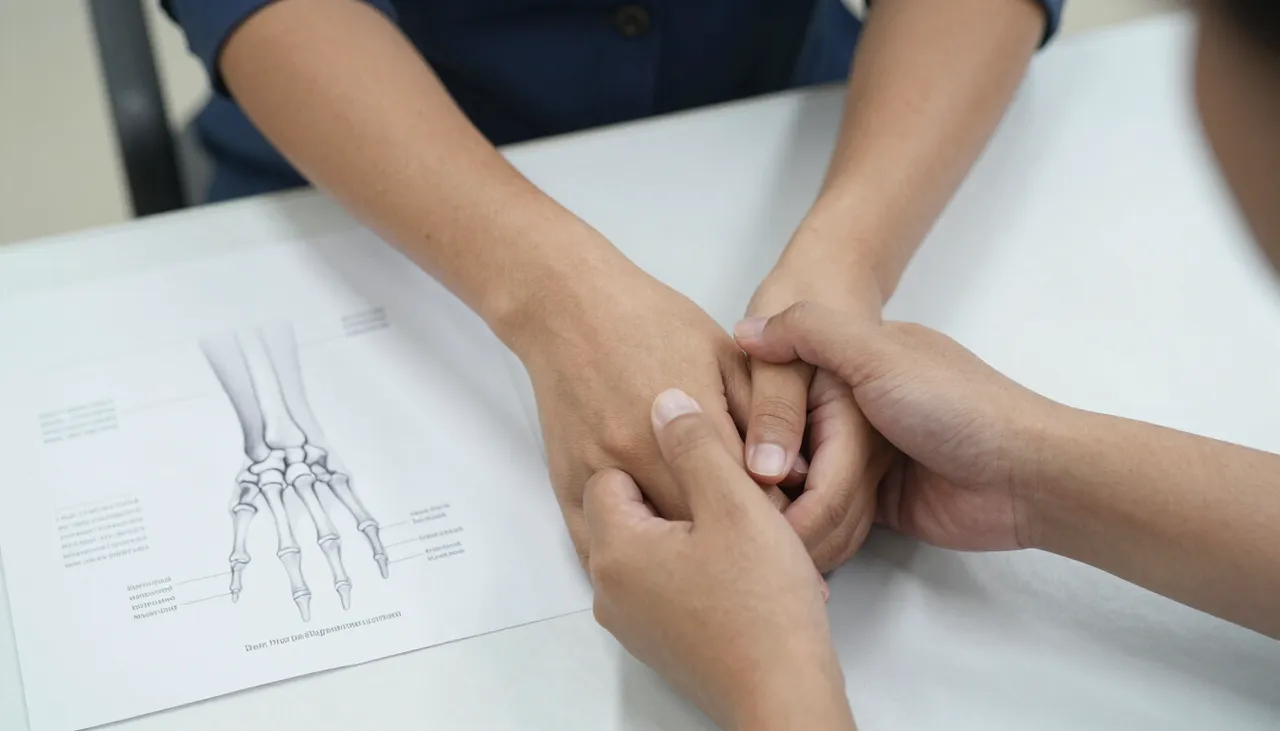
Pain in several joints at once — polyarticular pain — is a common reason for assessment. The key question is whether the pattern is mechanical (wear-and-tear affecting several worn joints independently) or inflammatory (a single disease process affecting many joints together), because the two are managed very differently. This page focuses on the multi-joint pattern; the single-joint picture is on the Joint Pain page, and the specific diseases on the Arthritis, Osteoarthritis and Rheumatoid Arthritis pages.
Patterns that help tell the cause
- Symmetrical small joints of the hands and wrists with prolonged morning stiffness — suggests rheumatoid arthritis.
- Large weight-bearing joints (knees, hips) with brief stiffness and worse-with-use pain — suggests osteoarthritis.
- Episodic, migratory pain moving from joint to joint — can suggest a reactive or viral arthritis.
- Pain with prominent back involvement — suggests a spondyloarthritis.
- Pain with nail changes and skin psoriasis — suggests psoriatic arthritis.
Associated features
Features beyond the joints often narrow the cause — dry eyes and mouth, skin rashes, nail changes, eye inflammation, fever, or a family history of autoimmune disease all point toward a systemic rheumatological condition. Their presence means a broader evaluation rather than joint treatment alone.
Evaluation and investigations
Evaluation includes a full joint examination and a selected blood panel — inflammatory markers (ESR, CRP), rheumatoid factor and anti-CCP, ANA and a broader autoimmune screen when the pattern suggests it, uric acid to exclude gout, and X-rays of the affected joints. The aim is to confirm or exclude an inflammatory arthritis and to gauge how active it is.
Management overview
Mechanical multi-joint pain is managed with weight management, activity, physical therapy and careful pain relief. Inflammatory arthritis needs prompt specific treatment with disease-modifying medicines, usually in partnership with a rheumatologist, alongside lifestyle measures. See Rheumatoid Arthritis and Inflammatory Joint Pain.
Warning signs — seek prompt care
- Multiple hot, swollen joints with fever or feeling unwell.
- Rapid onset of severe pain and stiffness over days.
- Joint pain with new skin rash, eye pain or chest symptoms.
How we help
Dr. Nayak distinguishes mechanical from inflammatory multi-joint pain, orders the right focused tests, and starts a cause-specific plan — arranging rheumatology referral when an inflammatory arthritis is confirmed. Consultations are available in-clinic in Bhubaneswar and over teleconsultation.
Related conditions and patient concerns
Explore more
Related conditions
Explore more
Related services
Take action now
Schedule your consultation today with Dr. Nayak
Don't wait to get the healthcare you deserve. Book your appointment in just a few clicks.