
Joint, Muscle & Rheumatology
Rheumatoid Arthritis
The autoimmune inflammatory arthritis — its typical pattern, why early treatment matters, the investigations that confirm it, and how it is managed with specialist input.
Overview
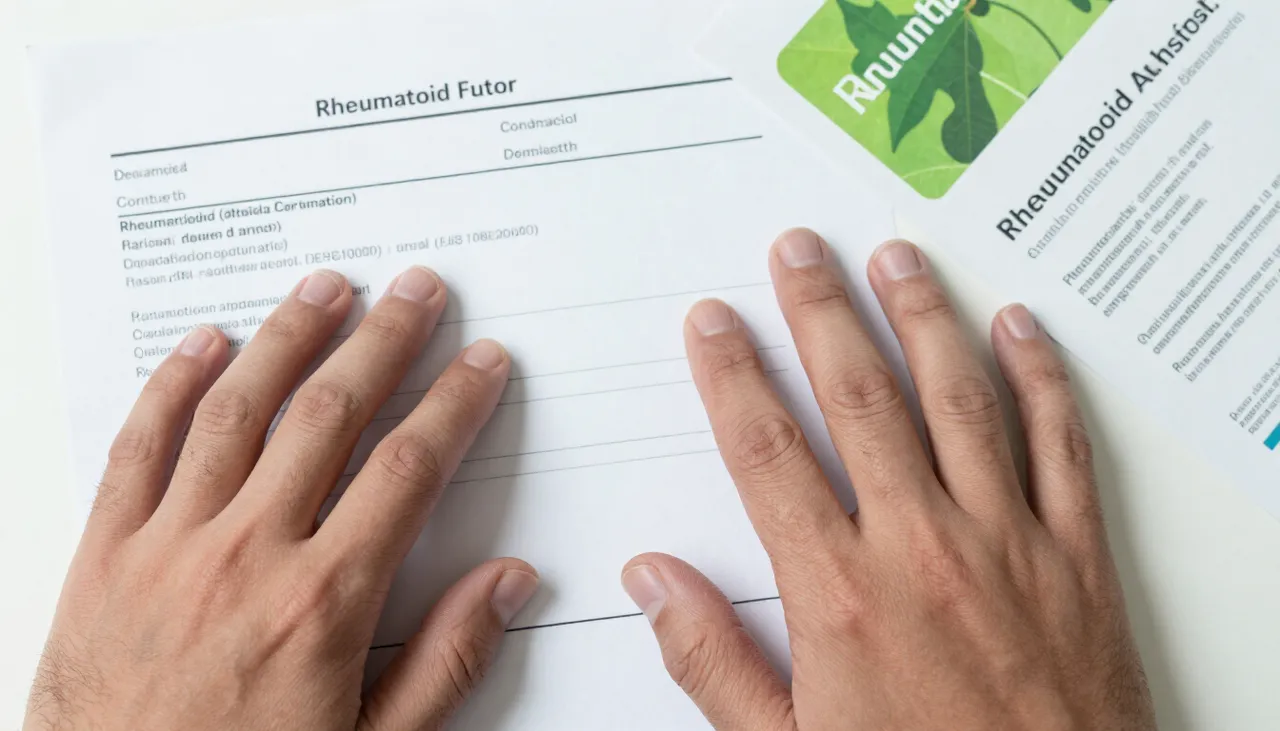
Rheumatoid arthritis is an autoimmune disease in which the immune system attacks the lining of the joints, causing inflammation that — over time — can damage cartilage and bone. It typically affects the small joints of the hands and feet symmetrically, with prolonged morning stiffness, and can also affect other organs. Early treatment is important because it prevents joint damage. This page focuses on rheumatoid arthritis; the broader inflammatory picture is on the Inflammatory Joint Pain page.
Typical pattern
Why early treatment matters
Joint damage in rheumatoid arthritis begins early, often before it is visible on a plain X-ray. Starting disease-modifying treatment early preserves joint structure and function, which is why prompt assessment of suspected inflammatory arthritis — rather than “waiting to see” — is so important. Delay can mean damage that cannot be undone.
Evaluation and investigations
Evaluation includes a joint examination and selected blood tests — inflammatory markers (ESR, CRP), rheumatoid factor (RF) and anti-CCP antibody, and an autoimmune screen — together with X-rays of the hands and feet. Anti-CCP is particularly useful because it is more specific than rheumatoid factor. Not everyone with rheumatoid arthritis has positive antibodies, so the diagnosis is made from the whole picture, not a single test. See Abnormal Test Results.
Management overview
Management combines specific disease-modifying medicines (DMARDs) and anti-inflammatory treatment, usually led by a rheumatologist, with lifestyle measures — exercise, joint protection, smoking cessation (smoking worsens rheumatoid arthritis), and managing fatigue. Dr. Nayak’s role is often to suspect and confirm the diagnosis, start initial treatment, and arrange timely rheumatology input, then share ongoing care.
Lifestyle and activity
During flares, rest and joint protection help; between flares, regular exercise preserves joint movement and muscle strength. Smoking cessation is one of the most important modifiable measures. Occupational therapy and joint-protection techniques reduce strain.
Warning signs — seek prompt care
- New symmetrical joint pain with prolonged morning stiffness — needs prompt assessment.
- Joint pain with fever, rash or other new systemic symptoms.
- Rapidly worsening joint swelling or any joint becoming hot and red.
How we help
Dr. Nayak suspects and confirms rheumatoid arthritis early, starts initial treatment, and arranges timely rheumatology referral, then shares ongoing care. Consultations are available in-clinic in Bhubaneswar and over teleconsultation.
Related conditions and patient concerns
Explore more
Related conditions
Explore more
Related services
Take action now
Schedule your consultation today with Dr. Nayak
Don't wait to get the healthcare you deserve. Book your appointment in just a few clicks.