
Joint, Muscle & Rheumatology
Osteoarthritis
The common “wear-and-tear” arthritis — what it is, the joints it affects, how it is diagnosed, and how it is managed with lifestyle, exercise and careful pain relief.
Overview
Osteoarthritis is the commonest form of arthritis, caused by gradual thinning and damage of the cartilage that cushions the ends of bones in a joint. As the cartilage wears, the joint becomes painful, stiff and sometimes swollen, and bony changes develop. It most often affects the knees, hips, lower back, neck and the small joints of the hands. It is not simply “wear” — inflammation and joint shape also play a part. This page focuses on osteoarthritis; the broader arthritis picture is on the Arthritis page.
Symptoms
- Joint pain that worsens with use and weight-bearing and eases with rest.
- Brief morning stiffness (usually under 30 minutes) and stiffness after rest (“gelling”).
- Reduced range of movement and, later, joint swelling or bony enlargement.
- Crepitus — a grinding or creaking sensation on movement.
- In the hands, bony swellings at the finger joints.
Risk factors
Age, a family history, previous joint injury, repetitive joint use, and — importantly — excess body weight, which increases load on the knees and hips and also raises inflammation. Weight management is one of the most effective measures for knee and hip osteoarthritis (see Obesity & Weight Management).
Evaluation and investigations
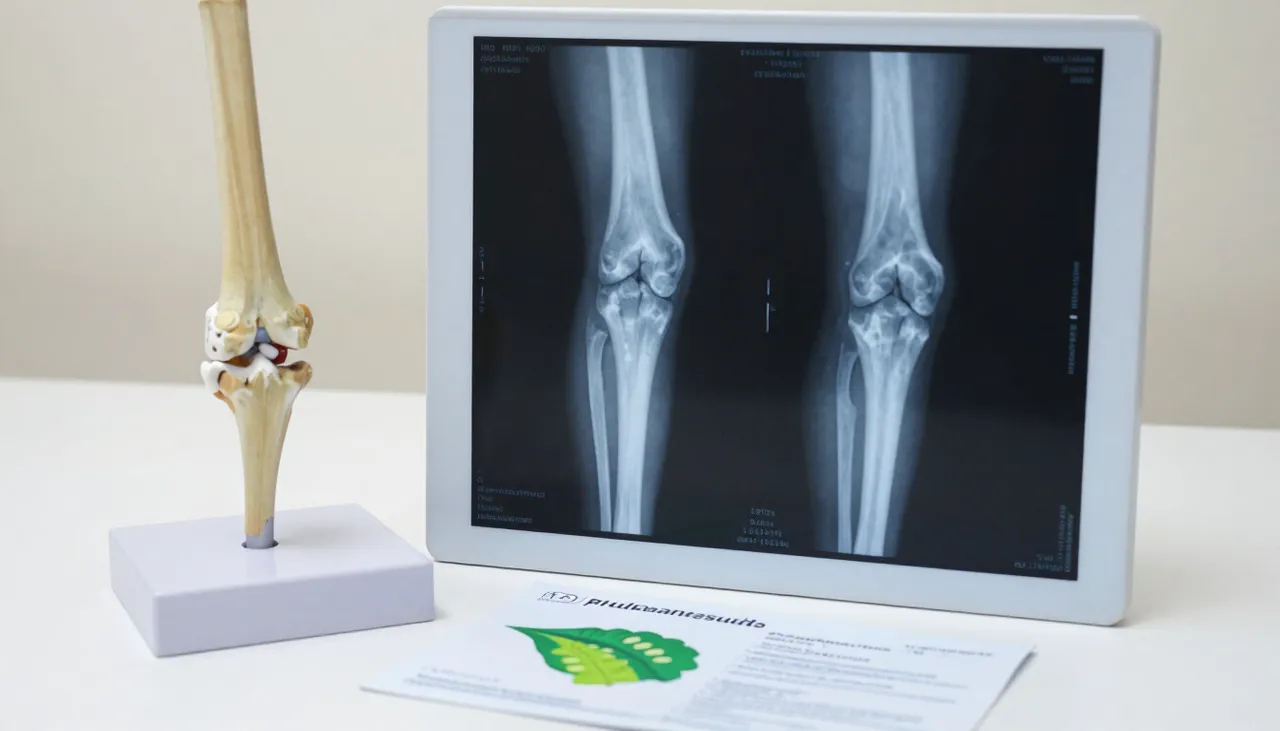
Diagnosis is mostly clinical, from the typical story and examination. An X-ray of the affected joint confirms the characteristic changes — joint-space narrowing, bony spurs and sclerosis. Blood tests are usually normal and are used mainly to exclude an inflammatory arthritis or gout when the picture is mixed.
Management overview
Management is built around function rather than cure. The pillars are weight management where relevant, muscle-strengthening and aerobic exercise, activity modification, physical therapy, and short careful courses of simple pain relief. A flare may be settled with a targeted injection in selected cases. Joint replacement is reserved for severe, end-stage disease that has not responded to conservative care. Avoiding prolonged use of strong painkillers — particularly those that can harm the kidneys — is important, especially with co-existing kidney disease (see Kidney Health).
Lifestyle and activity
Low-impact activity (walking, cycling, swimming), quadriceps strengthening for the knee, and weight management are the most effective non-medication measures. Avoiding prolonged squatting, kneeling and heavy lifting protects the knees. Heat or cold can ease a flare.
Warning signs — seek prompt care
- A previously stable joint that suddenly becomes hot, red and very swollen — possible gout or infection.
- Sudden severe pain after an injury with inability to bear weight.
- Rapid worsening of pain or function.
How we help
Dr. Nayak confirms the diagnosis, builds a function-focused plan of weight management, exercise and careful pain relief, and arranges orthopaedic referral when joint replacement becomes appropriate. Consultations are available in-clinic in Bhubaneswar and over teleconsultation.
Related conditions and patient concerns
Explore more
Related conditions
Explore more
Related services
Take action now
Schedule your consultation today with Dr. Nayak
Don't wait to get the healthcare you deserve. Book your appointment in just a few clicks.