
Skin Problems
Skin Infection
Bacterial, viral and fungal skin infections — how to recognise them, when they need antibiotics or urgent care, and what raises the risk.
Overview
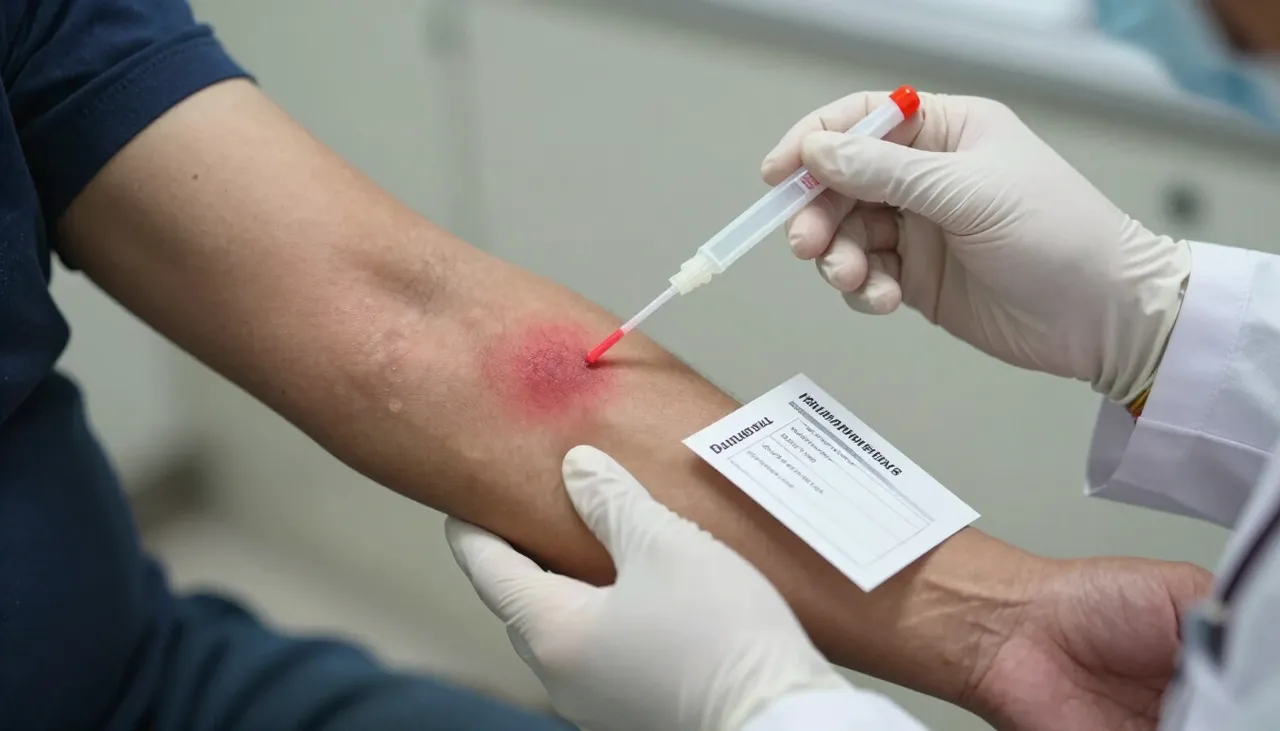
Skin infection is a broad term covering bacterial, viral and fungal infections of the skin. In general practice, bacterial infections (boils, impetigo, cellulitis) and viral infections (shingles, viral rashes) are common, alongside fungal infections. The type of infection determines the treatment, and some — particularly spreading bacterial cellulitis — need prompt antibiotic treatment. This page gives the overview; specific infections have their own pages.
Common types
- Bacterial — boils and abscesses, impetigo (crusted, honey-coloured sores), cellulitis (spreading red, hot, swollen skin).
- Viral — shingles (see Shingles / Herpes Zoster), viral rashes with fever (see Skin Rash with Fever), warts, cold sores.
- Fungal — ringworm and related infections (see Fungal Skin Infection).
What raises the risk
Broken skin from scratching, insect bites, eczema or injury; diabetes; obesity; a weakened immune response; poor circulation; and poor skin hygiene all increase the risk of skin infection. Recurrent infections, in particular, suggest checking blood sugar for diabetes. See Diabetes & Metabolic Health and Recurrent Skin Infection.
Evaluation and investigations
Most skin infections are diagnosed on examination. A swab may be sent from a wound or pus for culture. Blood tests (blood sugar, complete blood count, inflammatory markers) are arranged when an internal cause or systemic infection is suspected. See Abnormal Test Results and Fever & Infectious Diseases.
Management overview
Treatment follows the type: antibiotics for bacterial infections (oral for cellulitis, sometimes intravenous for severe cases), antivirals for shingles when caught early, antifungals for fungal infections, and drainage for abscesses. Underlying diabetes and skin breaks should be addressed to prevent recurrence.
Warning signs — seek prompt care
- A red, hot, swollen, painful area that is spreading, with fever — possible cellulitis, urgent.
- A boil or abscess with spreading redness or fever — needs assessment, sometimes drainage.
- Rapidly spreading skin infection in a person with diabetes — urgent.
- Skin infection with red streaks, chills or feeling very unwell — emergency.
How we help
Dr. Nayak identifies the type of skin infection, begins the right treatment, and checks for diabetes and other contributors — referring for drainage or intravenous treatment when needed. Consultations are available in-clinic in Bhubaneswar and over teleconsultation.
Related conditions and patient concerns
Explore more
Related conditions
Explore more
Related services
Take action now
Schedule your consultation today with Dr. Nayak
Don't wait to get the healthcare you deserve. Book your appointment in just a few clicks.