
Skin Problems
Fungal Skin Infection
The canonical page for fungal skin infections — ringworm, athlete’s foot, fungal sweat rash and fungal nail changes, common in a warm humid climate, and how they are treated.
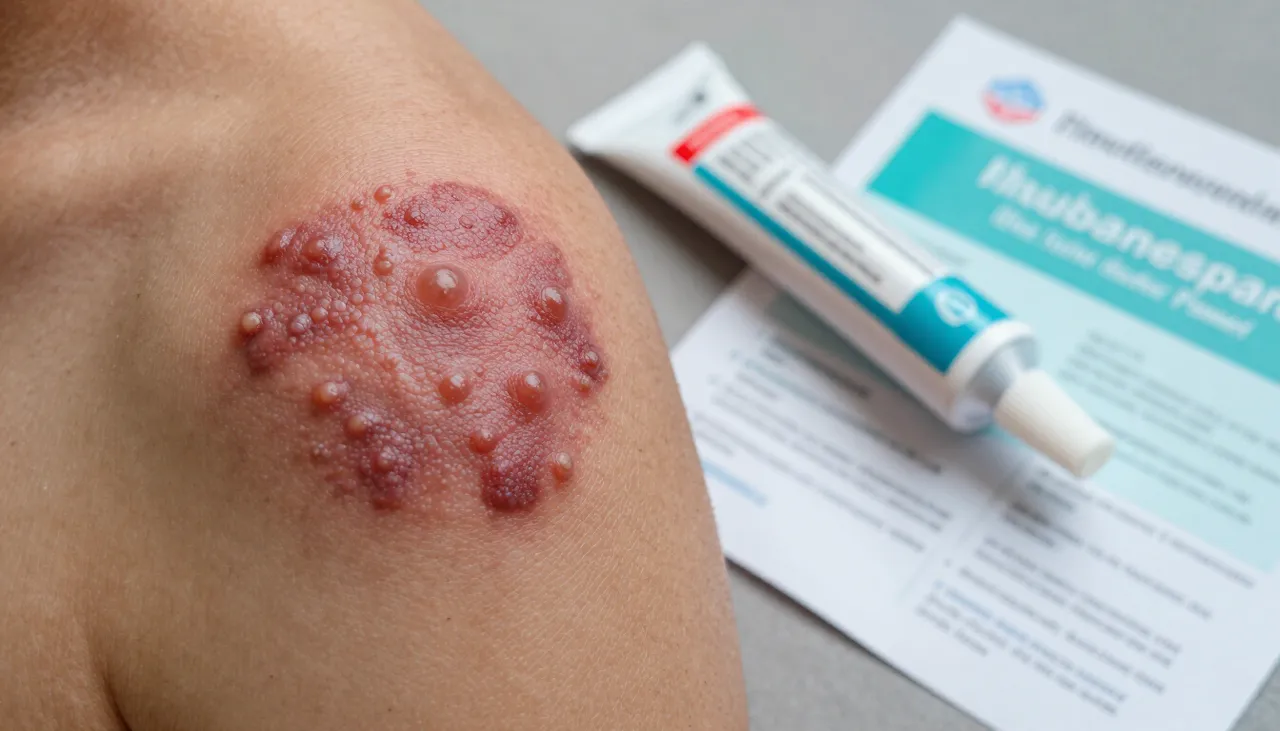
Overview
Fungal skin infections are caused by fungi that live on the dead outer layer of the skin, hair and nails. They are very common in a warm, humid climate and in people who sweat a lot, wear tight or synthetic clothing, share personal items, or have diabetes or obesity. Most fungal infections are easily treated but can recur if the conditions that favour them are not addressed. This is the main page for fungal skin infections; ringworm, the commonest type, is covered in more detail on its own page.
Common types
- Ringworm (tinea corporis) — ring-shaped, scaly, itchy, expanding patches (see Ringworm).
- Athlete’s foot (tinea pedis) — itchy, peeling, cracked skin between the toes.
- Fungal sweat rash (tinea cruris / jock itch) — itchy red rash in the groin and skin folds.
- Fungal nail infection — thickened, discoloured, brittle nails (see Brittle Nails and Nail Changes).
- Pityriasis versicolor — flaky discoloured patches on the chest and back (see Skin Discolouration).
Predisposing factors
Fungal infections thrive in warmth, moisture and friction. Diabetes, obesity, a weakened immune response, excessive sweating, and prolonged antibiotic or steroid use all increase the risk. Recurrent fungal infections warrant checking blood sugar, as undiagnosed or poorly controlled diabetes is a common contributor. See Diabetes & Metabolic Health and Obesity & Weight Management.
Evaluation and investigations
Most fungal infections are diagnosed on examination. A skin scraping for microscopy and culture confirms the diagnosis when the appearance is unclear or treatment is not working. Recurrent or extensive infections prompt a blood sugar and HbA1c check. See Abnormal Test Results.
Management overview
Treatment uses antifungal creams for localised infections and antifungal tablets for extensive, nail, or recurrent infections. Keeping the skin clean and dry, drying skin folds thoroughly, wearing loose cotton clothing, not sharing towels or personal items, and treating affected household members all help prevent recurrence. Underlying diabetes or obesity should be addressed.
Warning signs — seek prompt care
- A fungal area that becomes red, hot, painful or weepy — possible secondary bacterial infection.
- Spreading infection with fever — needs prompt assessment.
- Recurrent infections despite treatment — check for diabetes.
How we help
Dr. Nayak confirms the fungal infection, begins appropriate antifungal treatment, and checks for diabetes and other contributors when infections recur. Consultations are available in-clinic in Bhubaneswar and over teleconsultation.
Related conditions and patient concerns
Explore more
Related conditions
Explore more
Related services
Take action now
Schedule your consultation today with Dr. Nayak
Don't wait to get the healthcare you deserve. Book your appointment in just a few clicks.