Skin Problems
Eczema / Dermatitis
Dry, red, itchy, inflamed skin — the common types of eczema and dermatitis, triggers, and how they are managed and when specialist care helps.
Overview
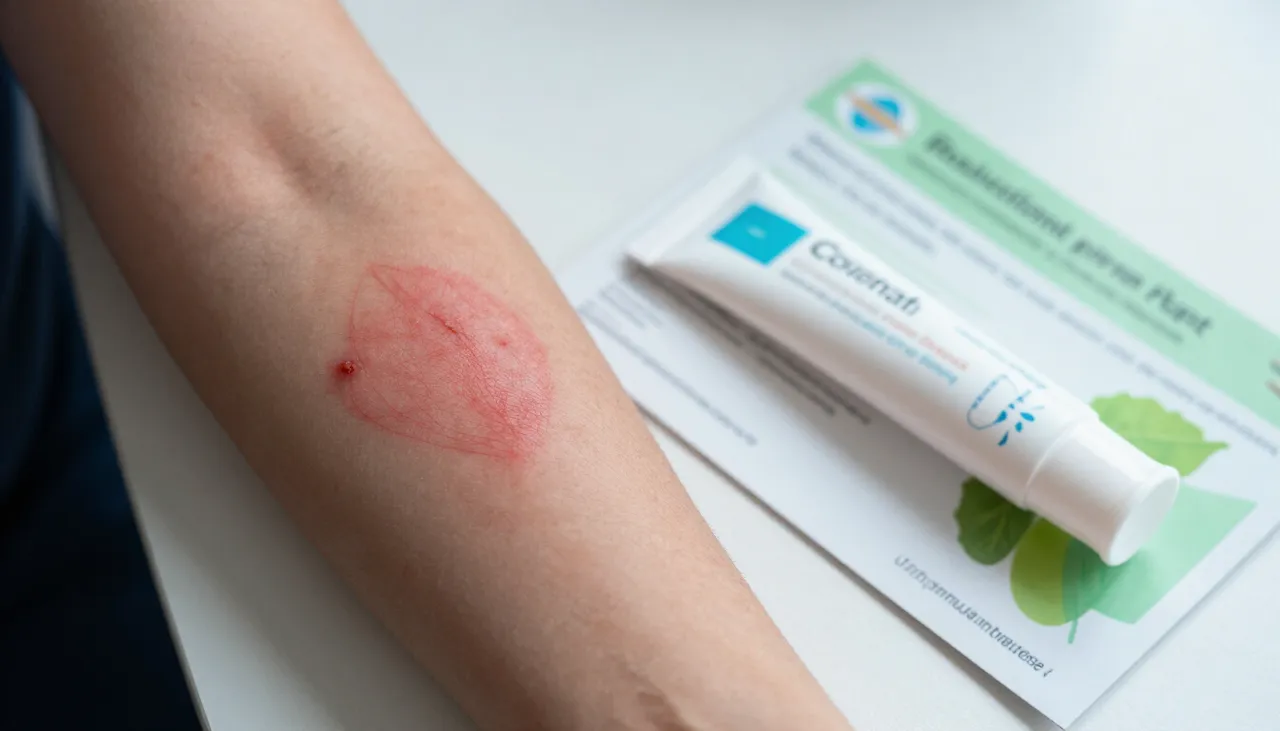
Eczema (dermatitis) is an inflammatory skin condition causing dry, red, itchy, sometimes weeping or crusted patches. It is common, often long-standing, and frequently flares with triggers. Several types exist, and identifying the type and its triggers is central to management. Eczema can occur at any age and often coexists with allergies or asthma.
Common types
- Atopic eczema — dry, itchy patches, often in the elbow and knee folds; common in people with allergies or asthma.
- Contact dermatitis — from an irritant or allergen touching the skin (see Allergic Skin Rash).
- Seborrhoeic dermatitis — scaly, flaky, slightly greasy patches on the scalp, face and chest.
- Discoid eczema — coin-shaped, itchy patches, often on the limbs.
- Varicose eczema — on the lower legs, related to poor circulation.
Triggers and aggravating factors
Common triggers include harsh soaps and detergents, hot water, cold dry weather, sweating, certain fabrics, stress, skin infections, and specific allergens. Dry skin is both a feature and a trigger, as cracked skin lets in irritants and infection. See Dry Skin.
Evaluation
Evaluation considers the pattern, distribution, history of triggers, and any personal or family history of allergies. Most eczema is diagnosed clinically. A swab is sent when infection is suspected, and allergy testing is considered for recurrent contact dermatitis.
Management overview
Management centres on regular moisturising (emollients), avoiding triggers and harsh products, and topical anti-inflammatory creams (such as mild topical steroids) for flares. Treating any secondary infection and identifying allergens help. Widespread, severe, or treatment-resistant eczema is best managed with a dermatologist; Dr. Nayak begins care and refers when needed.
Warning signs — seek prompt care
- Eczema that becomes weeping, crusted, hot or spreading — possible infection, needs assessment.
- Severe, widespread flares not settling with usual measures — needs review.
- Eczema with fever or feeling unwell — urgent.
How we help
Dr. Nayak identifies the type of eczema, advises on triggers and skin care, begins topical treatment, and treats infection when present — referring to a dermatologist for severe or resistant cases. Consultations are available in-clinic in Bhubaneswar and over teleconsultation.
Related conditions and patient concerns
Explore more
Related conditions
Explore more
Related services
Take action now
Schedule your consultation today with Dr. Nayak
Don't wait to get the healthcare you deserve. Book your appointment in just a few clicks.