
Skin Problems
Allergic Skin Rash
A rash caused by an allergy — to a product, plant, food or medicine — how to recognise it, common triggers, and when a reaction needs urgent care.
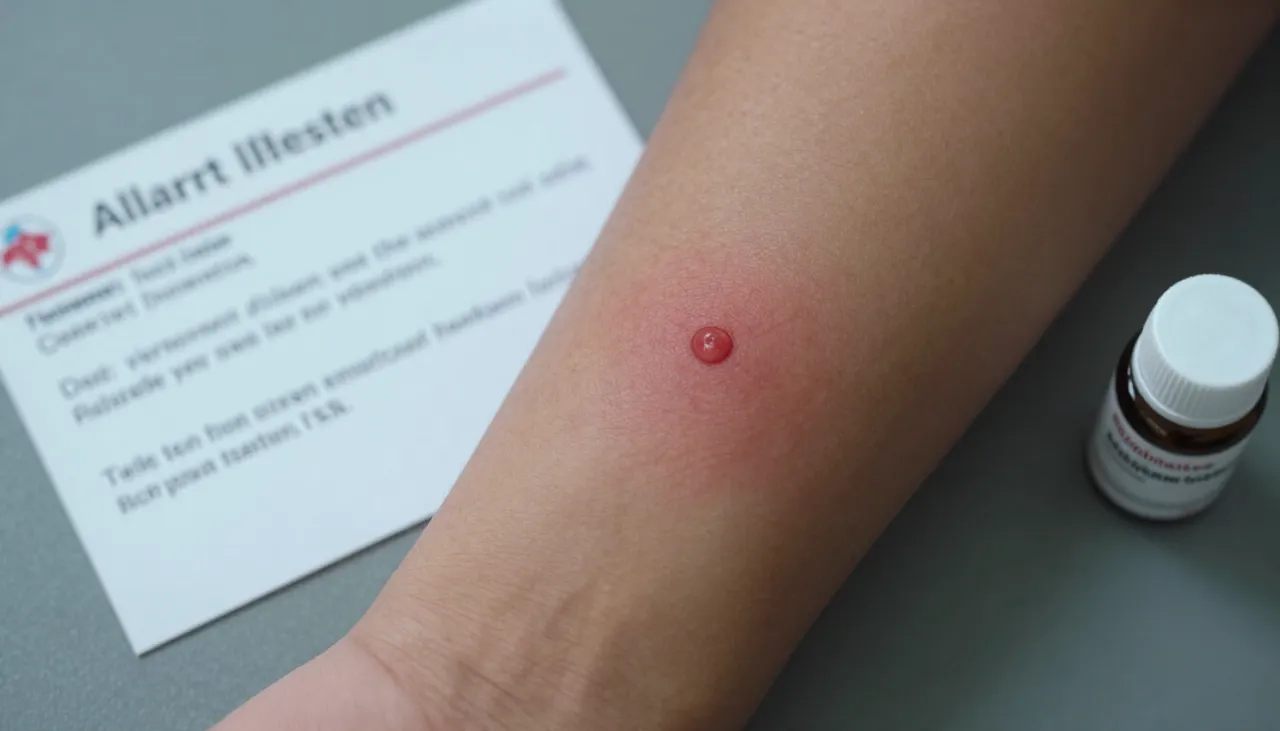
Overview
An allergic skin rash is the skin’s reaction to something it has come into contact with, eaten, or reacted to through a medicine. It is one of the commonest rash types seen in general practice. Allergic rashes range from mild redness and itching to widespread hives and, rarely, severe reactions that need emergency care. Identifying and avoiding the trigger is central to management.
Common triggers
- Contact allergens — soaps, detergents, cosmetics, jewellery (nickel), hair dyes, plants, rubber.
- Food allergies — nuts, shellfish, eggs, milk and others.
- Medicine allergies — antibiotics, painkillers, and many other drugs.
- Insect stings and bites.
- Airborne allergens — pollen, dust, animal dander.
Types of allergic rash
Two patterns are common. Contact dermatitis appears where the allergen touched the skin — red, itchy, sometimes blistered, in the shape of the contact. Hives (urticaria) are raised, itchy welts that can appear anywhere, come and go quickly, and sometimes accompany a more generalised allergic reaction. See Hives / Urticaria.
Evaluation
The history usually points to the trigger — a new product, a recent meal, a new medicine, or a known allergy. Examination confirms the rash pattern. Most allergic rashes are diagnosed clinically; blood tests or allergy referral are needed only for recurrent or severe cases.
Management overview
Management centres on identifying and avoiding the trigger, antihistamines for itching, and topical measures to soothe the skin. A medicine suspected of causing a rash should be reviewed by a doctor before being stopped or restarted. Severe or recurrent allergies may need an allergy assessment and a plan for future reactions.
Warning signs — seek prompt care
How we help
Dr. Nayak identifies the likely allergen, advises on avoidance, begins antihistamine and soothing treatment, and refers for formal allergy testing when reactions are recurrent or severe. Consultations are available in-clinic in Bhubaneswar and over teleconsultation.
Related conditions and patient concerns
Explore more
Related conditions
Explore more
Related services
Take action now
Schedule your consultation today with Dr. Nayak
Don't wait to get the healthcare you deserve. Book your appointment in just a few clicks.