
Thyroid Disorders
Levothyroxine Monitoring
Practical guidance for taking levothyroxine correctly — timing, food and medicine interactions, and how the dose is checked and adjusted over time.
Overview
Levothyroxine is the standard replacement for an underactive thyroid. It is effective and safe, but its absorption is easily affected by how and when you take it, and the correct dose changes over time. Good monitoring keeps the TSH in range, avoids the symptoms of under- and over-treatment, and prevents the long-term effects of an incorrect dose on the heart and bones.
This page is the practical dosing guide. For a broader review of all thyroid treatment, see Thyroid Medication Review; for the condition it treats, see Hypothyroidism.
How to take levothyroxine
- Take it once daily, at a consistent time — ideally first thing in the morning on an empty stomach.
- Wait at least 30–60 minutes before eating or drinking coffee/tea.
- Separate from calcium, iron, antacids and certain supplements by at least 4 hours.
- If a dose is missed, take it as soon as remembered unless it is close to the next dose.
- Keep the brand consistent where possible; different brands can have slightly different absorption.
How the dose is set and adjusted
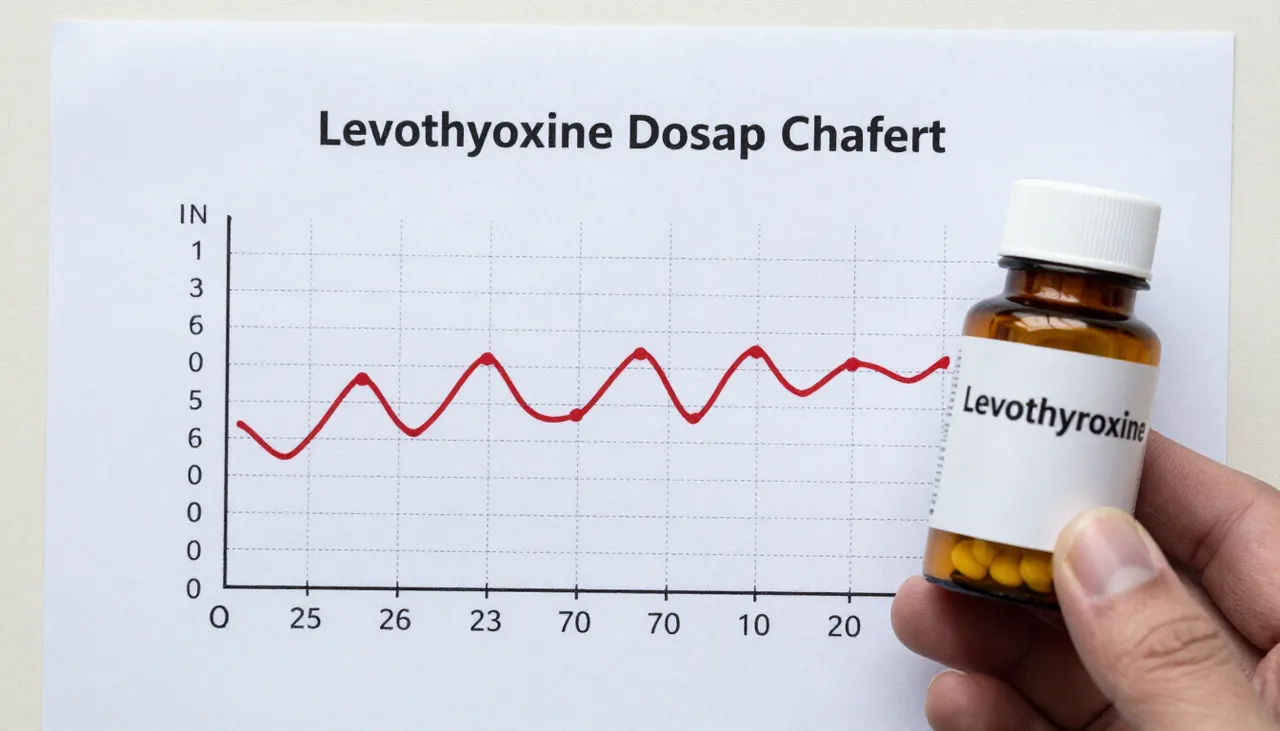
The starting dose is based on body weight and age, lower in older adults or those with heart disease. The TSH is rechecked around 6–8 weeks after any change, because levothyroxine has a long half-life and the blood level takes time to stabilise. The dose is then nudged up or down until the TSH is in the target range and symptoms have settled.
When the dose needs revisiting
- Weight gain or loss.
- Pregnancy — requirements usually rise early in pregnancy.
- Menopause or ageing.
- Starting or stopping interacting medicines.
- New symptoms of under- or over-treatment.
- A TSH outside the target range.
Signs the dose may be wrong
- Too low — persistent tiredness, cold intolerance, weight gain, constipation.
- Too high — palpitations, anxiety, heat intolerance, weight loss, tremor; a suppressed TSH.
How we help
Dr. Nayak sets and fine-tunes your levothyroxine dose with structured TSH follow-up, advises on correct timing and interactions, and checks that any remaining symptoms are not due to over- or under-treatment. Consultations are available in-clinic in Bhubaneswar and over teleconsultation.
Related conditions and patient concerns
Explore more
Related conditions
Explore more
Related services
Take action now
Schedule your consultation today with Dr. Nayak
Don't wait to get the healthcare you deserve. Book your appointment in just a few clicks.