Thyroid Disorders
Subclinical Hypothyroidism
A mildly raised TSH with normal thyroid hormone levels — when it needs treatment, when it is simply monitored, and why the decision is individualised.
Overview
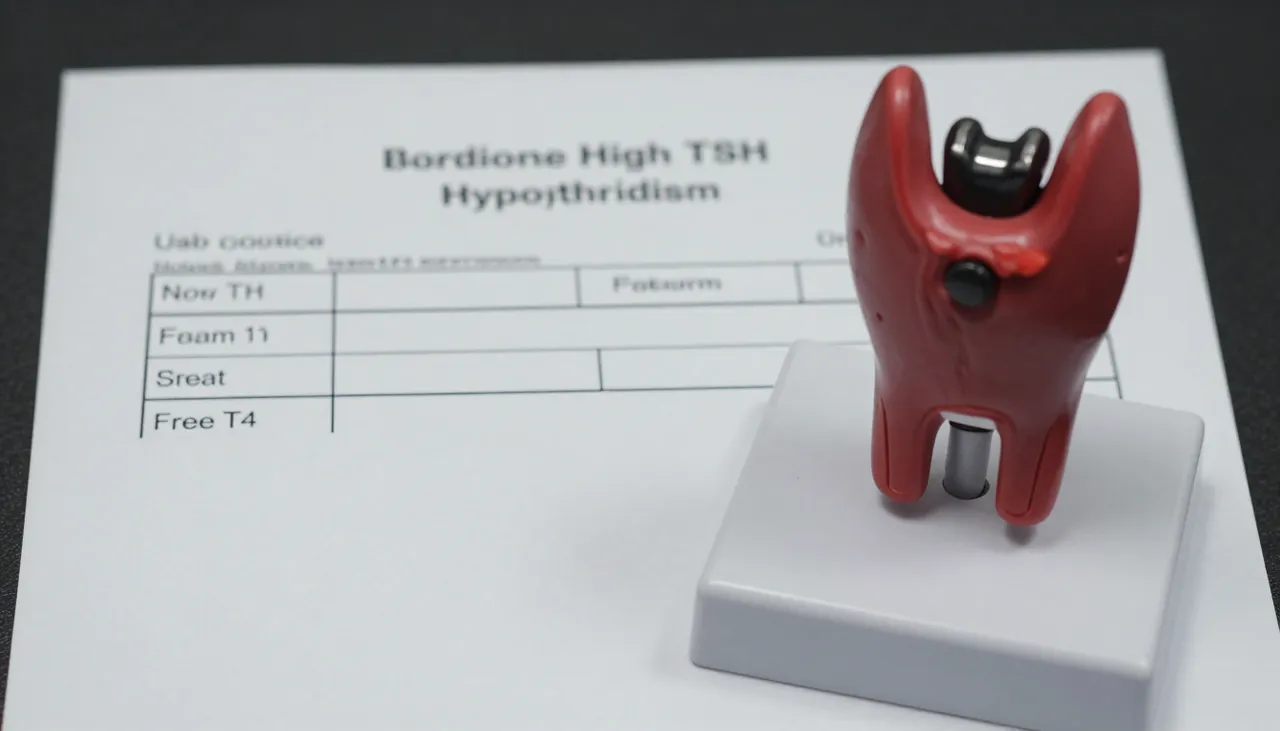
Subclinical hypothyroidism means the TSH is slightly raised but the free T4 (the actual thyroid hormone) is still within the normal range. The gland is working a little harder to keep hormone levels normal, but has not yet failed. It is very common, especially in older adults, and in most people it causes no symptoms. The key question is not “what is the number” but “does this person need treatment now, or monitoring?”
This page focuses on the borderline pattern. For the established condition with low hormone levels, see Hypothyroidism; for interpreting any abnormal result, see Abnormal Thyroid Function Tests.
When treatment is considered
- TSH consistently above 10 mIU/L — treatment is usually recommended.
- TSH between roughly 5 and 10 with clear hypothyroid symptoms or positive antibodies — treatment often considered.
- TSH mildly raised with normal hormone levels and no symptoms — often monitored with repeat testing.
- Pregnancy or pregnancy planning — lower thresholds apply, as even mild deficiency matters.
Why it is not always treated
A mildly raised TSH frequently returns to normal on its own, may reflect temporary illness, and carries a low risk of progression. Treating everyone with a borderline result exposes many people to unnecessary medication and the risk of overtreatment. The decision is therefore individualised — based on the level, symptoms, antibody status, age and other conditions — rather than applied automatically.
Evaluation
- Repeat TSH and free T4 after several weeks to confirm the pattern is persistent.
- Anti-TPO antibodies — positive antibodies increase the chance of progression to overt hypothyroidism.
- Assess for symptoms, high cholesterol, and other metabolic conditions.
- Review pregnancy plans where relevant.
Management and follow-up
If treatment is not started, TSH is rechecked periodically (for example every 6–12 months) and if symptoms develop or the TSH rises further, levothyroxine is begun. If treatment is started, the dose is adjusted to a normal TSH with the same follow-up as overt hypothyroidism.
How we help
Dr. Nayak helps you understand whether your borderline result needs treatment or simply monitoring, confirms the pattern with repeat testing, and builds a clear plan with scheduled follow-up so any progression is caught early. Consultations are available in-clinic in Bhubaneswar and over teleconsultation.
Related conditions and patient concerns
Explore more
Related conditions
Explore more
Related services
Take action now
Schedule your consultation today with Dr. Nayak
Don't wait to get the healthcare you deserve. Book your appointment in just a few clicks.