
Skin Problems
Darkening of Skin
Skin becoming darker than usual — common causes including sun exposure, post-inflammatory change, hormonal pigmentation and insulin resistance, and how it is evaluated.
Overview
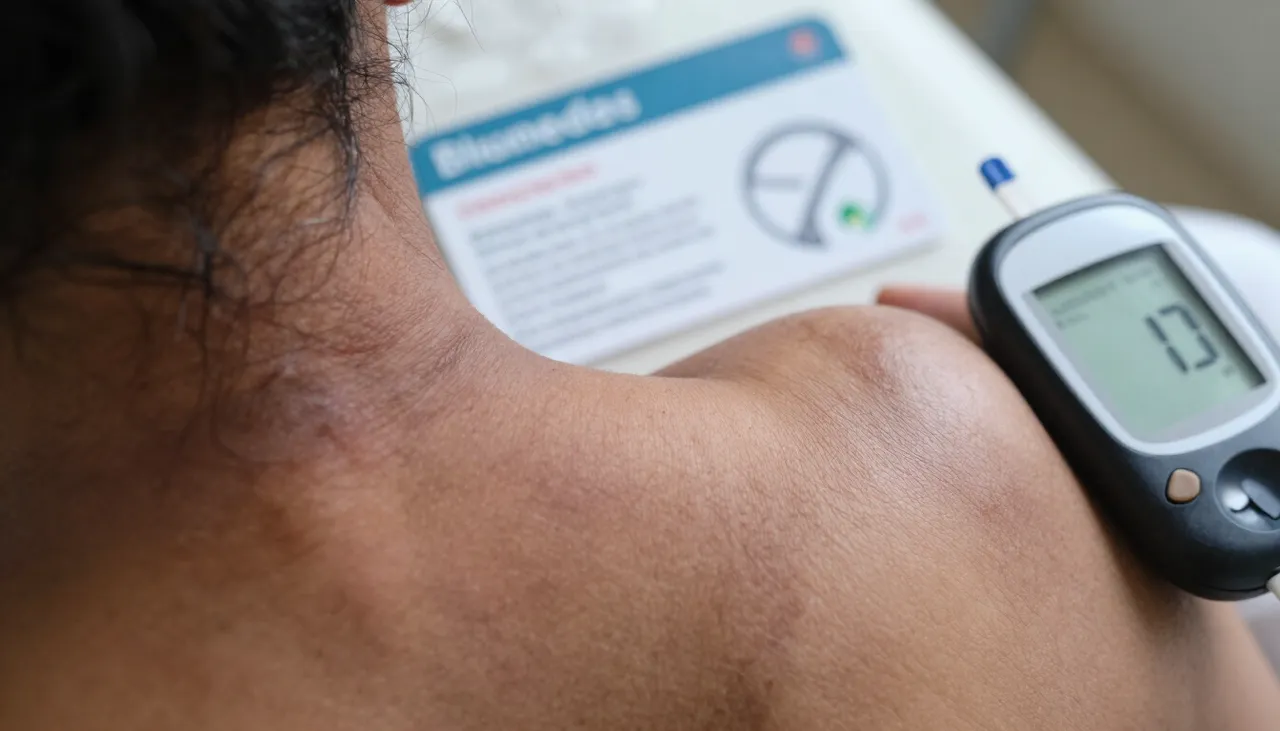
Darkening of the skin (hyperpigmentation) is when an area becomes darker than the surrounding skin. It is very common and has many causes, most of them benign and treatable. The location and pattern are important clues: darkening in sun-exposed areas often reflects sun exposure or hormonal pigmentation, while darkening in the skin folds — neck, armpits, groin — often reflects insulin resistance and is known as acanthosis nigricans.
Common causes
- Sun exposure and sun damage — face, hands, forearms.
- Post-inflammatory darkening — after acne, a rash, injury or eczema (see Acne, Eczema / Dermatitis).
- Hormonal pigmentation (melasma) — face, often related to pregnancy or hormones.
- Acanthosis nigricans — dark, velvety thickening in skin folds, a marker of insulin resistance (see Acanthosis Nigricans).
- Medicine-related pigmentation.
- Certain metabolic or endocrine conditions (see Thyroid Disorders).
Evaluation
Evaluation examines the location and pattern of the darkening and asks about sun exposure, medicines, pregnancy, and any weight change. When darkening is in the skin folds, blood sugar, HbA1c, and an assessment for insulin resistance and obesity are arranged. See Acanthosis Nigricans, Diabetes & Metabolic Health, and Obesity & Weight Management.
Management overview
Management treats the cause: sun protection and topical measures for sun-related and hormonal pigmentation, treating any underlying rash or acne for post-inflammatory darkening, and addressing insulin resistance and weight for acanthosis nigricans. Stubborn pigmentation may benefit from dermatology care.
Warning signs — seek prompt care
- A dark, new, changing or irregular mole — needs assessment.
- Sudden widespread darkening with feeling unwell or weight change — needs evaluation.
- Dark velvety skin-fold thickening with thirst or weight change — check for diabetes.
How we help
Dr. Nayak identifies the cause of skin darkening, begins appropriate measures, and checks for insulin resistance, diabetes and obesity when skin-fold darkening is present — referring to a dermatologist when needed. Consultations are available in-clinic in Bhubaneswar and over teleconsultation.
Related conditions and patient concerns
Explore more
Related conditions
Explore more
Related services
Take action now
Schedule your consultation today with Dr. Nayak
Don't wait to get the healthcare you deserve. Book your appointment in just a few clicks.