
Joint, Muscle & Rheumatology
Neck Pain
Why the neck hurts, the role of posture and the cervical spine, when arm symptoms need attention, and how neck pain is assessed and managed.
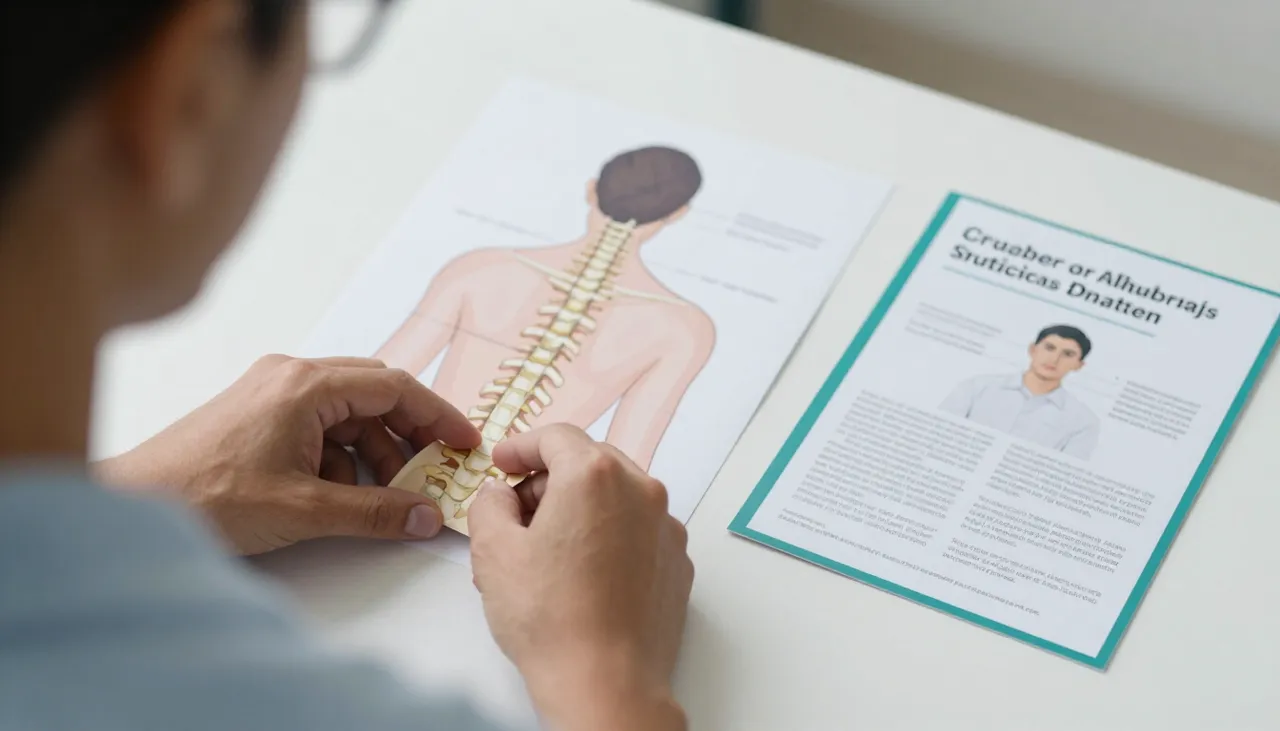
Overview
Neck pain is very common and is usually related to posture, muscle tension, or wear of the cervical spine. Most episodes settle with activity modification, gentle exercise and time. As with back pain, certain features — arm pain, numbness or weakness, or pain after an injury — need prompt assessment. This page focuses on the neck; the broader spine picture is on the Back Pain page.
Common causes
- Muscle tension — from poor posture, prolonged phone or computer use (“text neck”), stress.
- Cervical spondylosis — wear-and-tear of the neck joints and discs, common with age.
- Disc prolapse — pressing on a nerve and causing arm pain, numbness or weakness.
- Whiplash — after a road traffic accident or sudden jerk.
- Inflammatory or infective causes — less common, but considered with red flags.
When arm symptoms matter
Pain that radiates from the neck down one arm, especially with numbness, tingling or weakness, suggests a nerve root being irritated by a disc or bony spur. This “cervical radiculopathy” needs assessment and, in some cases, imaging — unlike simple mechanical neck pain, which usually does not.
Evaluation and investigations
Most neck pain is assessed clinically without imaging. X-rays of the cervical spine are arranged when symptoms persist or after injury; MRI is reserved for nerve-root symptoms, weakness, or red flags. Blood tests are added only when an inflammatory or infective cause is suspected.
Management overview
Management is conservative for most neck pain — posture correction, ergonomic adjustments, gentle neck and shoulder exercises, physical therapy, and short careful courses of simple pain relief. Nerve-root compression that does not settle, or causes progressive weakness, needs specialist assessment.
Lifestyle and activity
Raising the phone or screen to eye level, taking regular breaks, gentle neck stretches, and a supportive pillow all reduce recurrence. Stress management helps the muscle tension that drives much neck pain.
Warning signs — seek prompt care
- Neck pain with arm numbness, weakness or loss of grip.
- Neck pain after a road accident or significant injury.
- Neck pain with fever, or pain radiating to the chest.
- Loss of bladder or bowel control or leg weakness — emergency.
How we help
Dr. Nayak identifies whether your neck pain is mechanical or nerve-related, orders imaging only when warranted, and builds a conservative plan — with referral when nerve symptoms progress. Consultations are available in-clinic in Bhubaneswar and over teleconsultation.
Related conditions and patient concerns
Explore more
Related conditions
Explore more
Related services
Take action now
Schedule your consultation today with Dr. Nayak
Don't wait to get the healthcare you deserve. Book your appointment in just a few clicks.