Hypertension & Cardiovascular Risk
High Cholesterol
What cholesterol is, what the different types mean, and why a raised level matters as part of your overall cardiovascular risk.
Overview
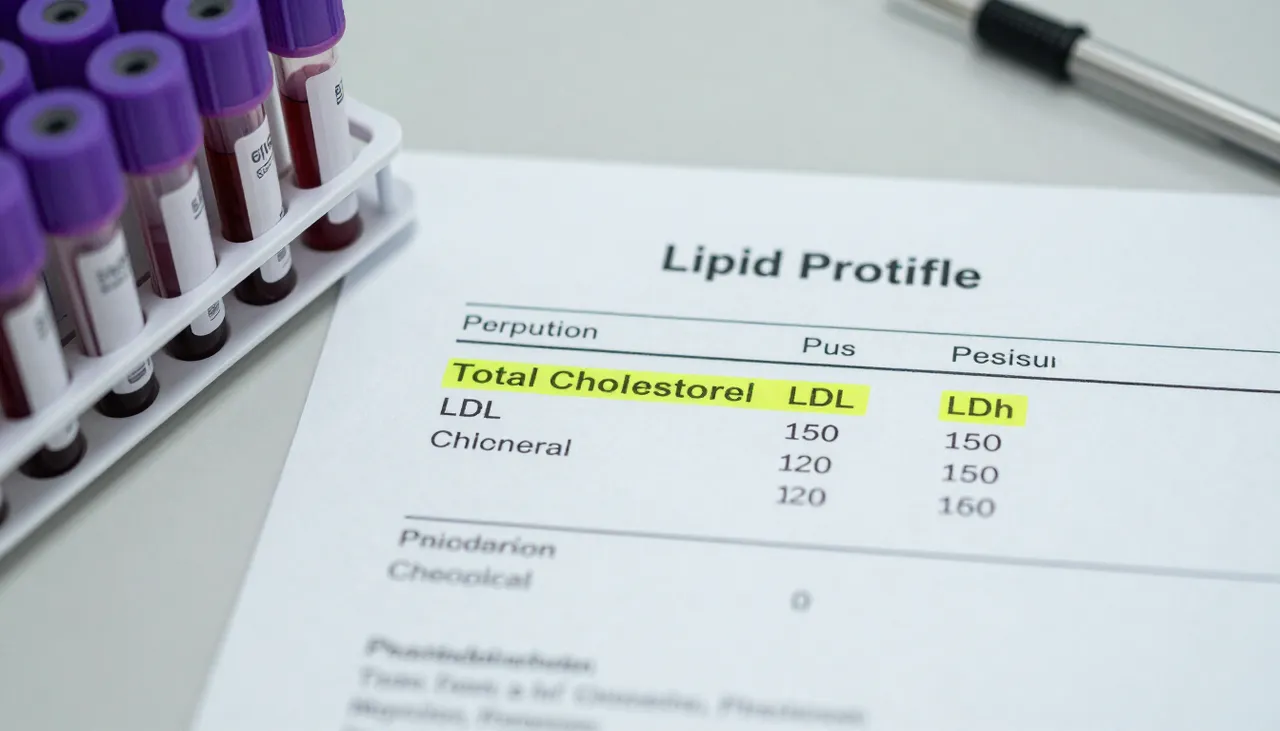
Cholesterol is a fatty substance the body needs in small amounts, but too much of the wrong kind in the blood can build up in artery walls over years, narrowing them and raising the risk of heart attack and stroke. Like blood pressure, high cholesterol causes no symptoms — it is found on a blood test. The good news is that it is highly manageable through lifestyle and, where needed, medication.
This page explains cholesterol in patient-friendly terms. For the broader pattern of lipid abnormalities, see Dyslipidaemia; for how cholesterol feeds into your overall risk, see Cardiovascular Risk Assessment.
The different types of cholesterol
- LDL (“bad” cholesterol) — carries cholesterol into the arteries; high levels promote plaque build-up.
- HDL (“good” cholesterol) — helps remove cholesterol from the arteries; higher is generally better.
- Triglycerides — another fat in the blood, raised by sugar, alcohol and excess weight.
- Total cholesterol — the overall figure, less useful on its own than the breakdown.
What counts as high
There is no single universal target — what is “high” depends on your overall cardiovascular risk. Someone with diabetes, existing heart disease or high risk may be advised to aim for a much lower LDL than someone at low risk. This is why cholesterol is interpreted alongside blood pressure, smoking, age and other factors, not in isolation.
Causes and contributors
- Diet high in saturated and trans fats, fried foods and processed snacks.
- Excess weight and physical inactivity.
- Genetic factors — some families have inherited high cholesterol.
- Diabetes, hypothyroidism and kidney disease.
- Smoking, which lowers HDL and damages arteries.
- Age — cholesterol tends to rise with age.
Management
- Diet — reduce saturated and trans fats; add fibre, nuts, oily fish and whole grains.
- Regular activity to raise HDL and improve overall risk.
- Weight loss where appropriate.
- Stopping smoking and limiting alcohol.
- Medication (such as statins) where overall risk or LDL level warrants it.
- Treating related conditions such as diabetes or thyroid disorders.
How we help
Dr. Nayak interprets your cholesterol results in the context of your overall risk, advises on practical dietary and lifestyle changes, and prescribes medication where appropriate — chosen to suit your profile and monitored for effect and tolerance. Repeat testing confirms the response and keeps your risk on track. Consultations are available in-clinic in Bhubaneswar and over teleconsultation.
Related conditions and patient concerns
Cholesterol is one part of cardiovascular risk. These related pages complete the picture.
Explore more
Related conditions
Explore more
Related services
Take action now
Schedule your consultation today with Dr. Nayak
Don't wait to get the healthcare you deserve. Book your appointment in just a few clicks.