
Respiratory & Breathing Problems
Asthma
The central disease page for asthma — what it is, triggers, diagnosis with spirometry, inhaler-based treatment, flare-up action plans and long-term control.
Overview
Asthma is a common long-term inflammatory condition of the airways in which the breathing tubes become narrowed and sensitive, causing episodes of wheezing, breathlessness, chest tightness and cough. It often begins in childhood but can start or continue into adult life, and it is frequently linked to allergies. With the right inhalers, trigger avoidance and a clear action plan, most people with asthma stay well controlled and live full, active lives. This is the central disease page for asthma; Asthma Symptoms and Asthma Follow-up and Monitoring link to it rather than duplicating the content.
What happens in asthma
In asthma, the airways are chronically inflamed and over-reactive. Exposure to a trigger causes the muscles around the airways to tighten, the lining to swell, and mucus to be produced — together narrowing the airway and producing the classic symptoms. Between episodes the airways may return towards normal, which is why asthma can fluctuate over time.
Common triggers
- Allergens — dust mites, pollen, animal dander, mould.
- Respiratory infections — colds and flu are a common trigger.
- Cold air, exercise and strong emotions.
- Smoke, dust, fumes and air pollution.
- Certain medicines, such as some painkillers and blood-pressure drugs.
- Acid reflux can worsen asthma.
Symptoms
Typical symptoms are wheezing, breathlessness, chest tightness and cough — often worse at night or early morning, and brought on by triggers. The pattern and severity vary from person to person. For a focused look at recognising symptoms see Asthma Symptoms.
Diagnosis
Diagnosis is made from the history and confirmed with spirometry (lung function testing), which shows reversible airflow limitation. Peak flow monitoring over time and, in some cases, allergy testing help characterise the asthma. A chest X-ray may be done to rule out other causes.
Treatment and management
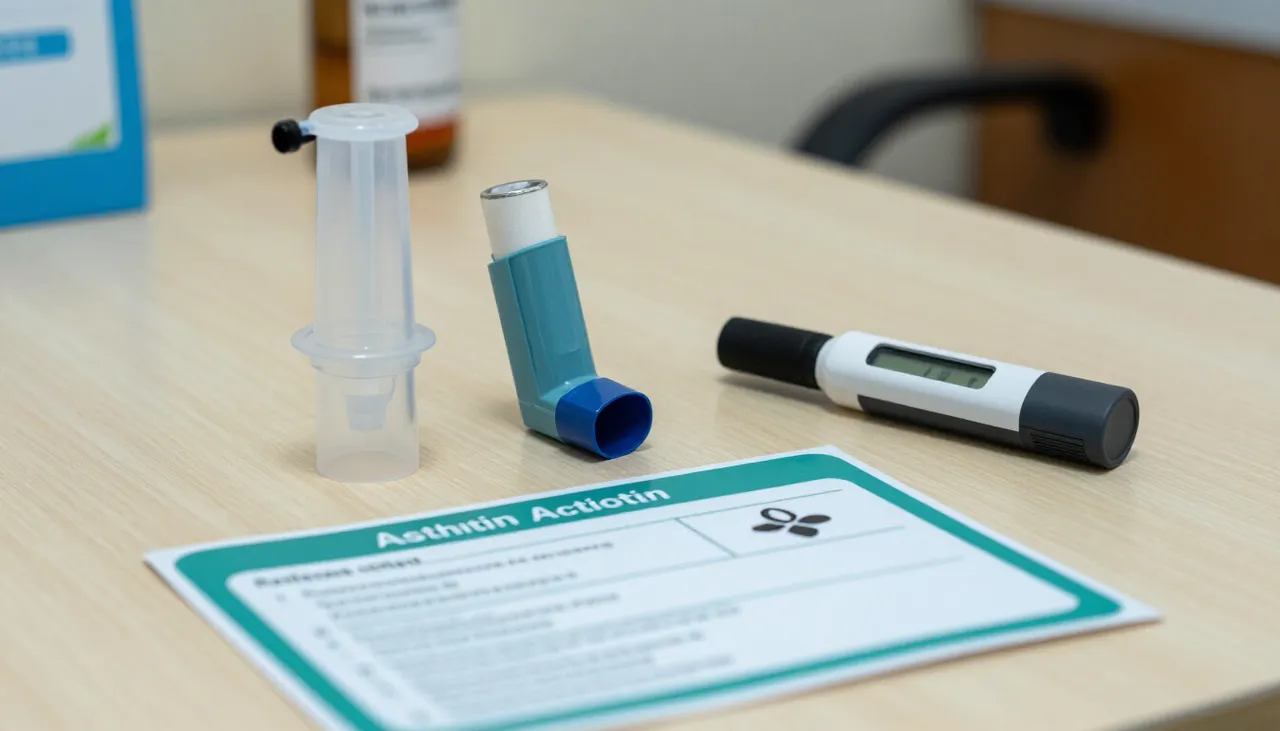
Asthma is managed with inhalers: a reliever inhaler (for quick symptom relief during a flare) and a preventer inhaler (a low-dose inhaled steroid taken daily to control inflammation and prevent attacks). Most people with persistent asthma need a preventer, not just a reliever. Trigger avoidance, an annual flu vaccination, and a written asthma action plan are essential. Severe attacks may need a short course of steroid tablets and, in extreme cases, emergency care.
Follow-up and monitoring
Asthma needs regular review even when well — to check symptom control, inhaler technique, preventer adherence and peak flow, and to step treatment up or down. For the follow-up framework see Asthma Follow-up and Monitoring.
Warning signs — seek urgent care
- A severe attack not responding to the reliever inhaler.
- Breathlessness at rest, inability to speak full sentences, or bluish lips.
- Very low peak flow or very low oxygen on a pulse oximeter.
- Wheezing with chest pain, fainting or confusion.
How we help
Dr. Nayak confirms asthma with lung function testing, builds an inhaler and action-plan tailored to you, and provides structured follow-up to keep asthma controlled. Consultations are available in-clinic in Bhubaneswar and over teleconsultation.
Related conditions and patient concerns
Explore more
Related conditions
Explore more
Related services
Take action now
Schedule your consultation today with Dr. Nayak
Don't wait to get the healthcare you deserve. Book your appointment in just a few clicks.