
Respiratory & Breathing Problems
COPD
Chronic Obstructive Pulmonary Disease — persistently reduced airflow from smoking and biomass exposure, diagnosis, inhaler treatment and long-term care.
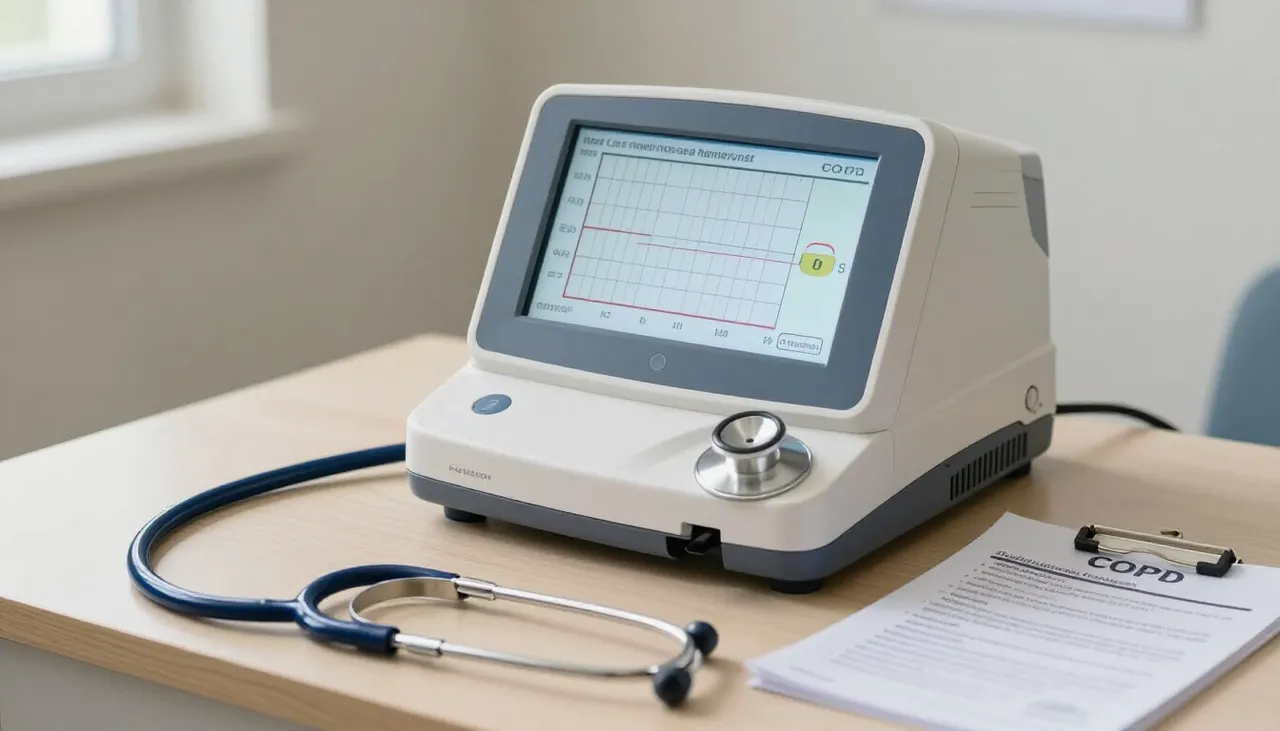
Overview
Chronic Obstructive Pulmonary Disease (COPD) is a long-term lung condition in which the airways are persistently narrowed and the air sacs are damaged, causing ongoing breathlessness, a chronic productive cough and reduced exercise tolerance. It is most often caused by long-term cigarette smoking or biomass-fuel (chulha) smoke exposure. COPD is not fully reversible, but with the right treatment, smoking cessation, vaccinations and pulmonary rehabilitation, symptoms can be improved, flare-ups reduced, and progression slowed.
Symptoms
- Chronic breathlessness, initially on exertion and later at rest.
- A chronic cough, often productive of phlegm, especially in the mornings.
- Wheeze and chest tightness.
- Reduced exercise tolerance and tiredness.
- Flare-ups (exacerbations) with increased breathlessness, cough and phlegm, often triggered by infection.
Causes and risk factors
- Cigarette smoking — the leading cause.
- Long-term biomass-fuel smoke exposure from cooking or heating.
- Occupational dust and fume exposure.
- Genetic factors (alpha-1 antitrypsin deficiency, rare).
Diagnosis
Diagnosis is made from the history and confirmed with spirometry, which shows persistently reduced airflow that does not fully reverse. A chest X-ray, pulse oximetry and, in some cases, a CT scan help assess the lungs and exclude other causes. COPD includes chronic bronchitis and emphysema — see Chronic Bronchitis for the bronchitis-focused perspective.
Treatment and management
Treatment combines bronchodilator inhalers (long-acting relievers), inhaled steroids for frequent flare-ups, smoking cessation, annual flu and pneumococcal vaccinations, pulmonary rehabilitation, and oxygen for severe cases. Flare-ups are treated promptly with increased inhalers and, where a bacterial infection is present, antibiotics and steroids. Weight management and nutrition matter, as both overweight and underweight states affect breathlessness.
Warning signs — seek urgent care
- A severe flare-up with marked breathlessness, confusion or bluish lips.
- Very low oxygen on a pulse oximeter.
- Chest pain or fainting with breathlessness.
- Inability to manage at home despite increased inhaler use.
How we help
Dr. Nayak confirms COPD with lung function testing, optimises inhaler treatment, supports smoking cessation, and monitors for flare-ups and complications. Consultations are available in-clinic in Bhubaneswar and over teleconsultation.
Related conditions and patient concerns
Explore more
Related conditions
Explore more
Related services
Take action now
Schedule your consultation today with Dr. Nayak
Don't wait to get the healthcare you deserve. Book your appointment in just a few clicks.