
Anaemia & Blood Problems
High ESR
A raised erythrocyte sedimentation rate — a non-specific marker of inflammation, what it means, what it does not mean, and how it is interpreted.
Overview
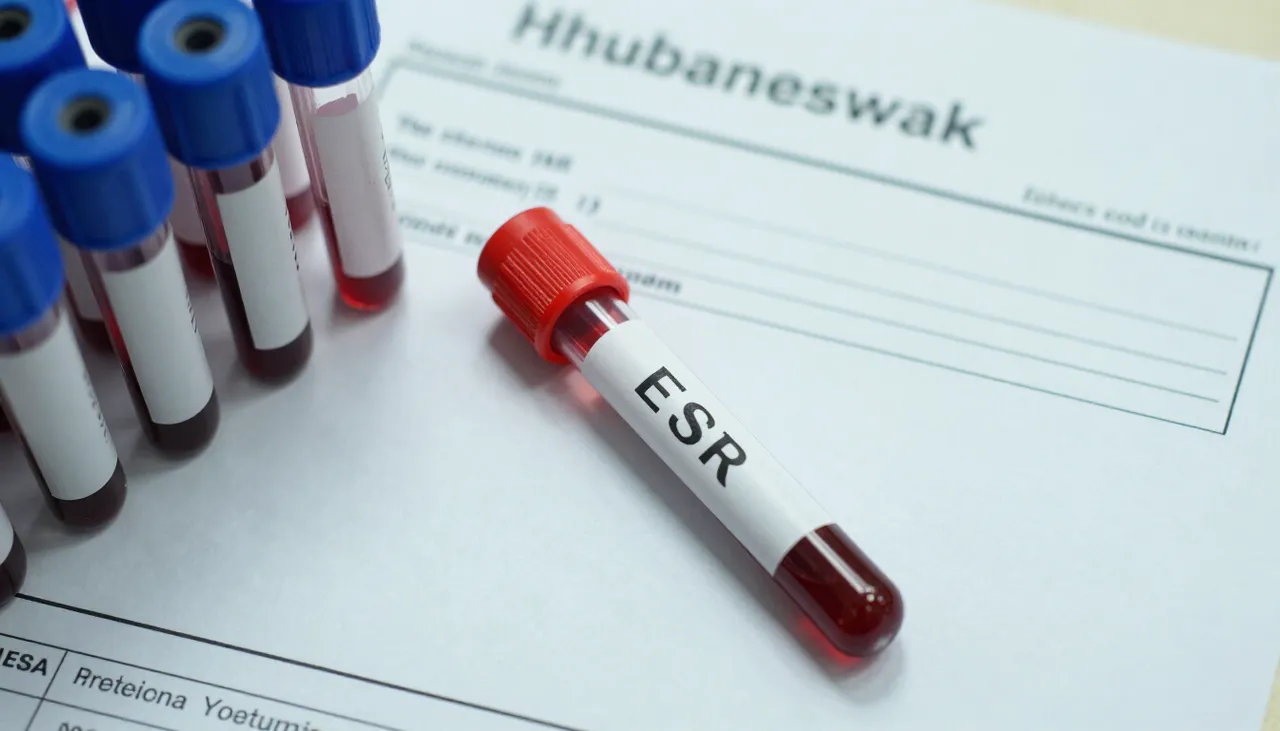
The erythrocyte sedimentation rate (ESR) is a long-standing blood test that measures how quickly red cells settle in a tube. A raised ESR is a non-specific marker of inflammation somewhere in the body — it signals that something is causing tissue stress or inflammation, but it does not say where or what. A high ESR is therefore a prompt for further evaluation, not a diagnosis in itself, and it must be read with the clinical picture and other tests.
What a high ESR can indicate
- Infection — bacterial, viral, or chronic infection (see Fever & Infectious Diseases).
- Chronic inflammatory and autoimmune disease — such as rheumatoid arthritis or vasculitis (see Joint, Muscle & Rheumatology).
- Kidney disease, and anaemia of chronic disease (see Kidney Health, Anaemia).
- Certain cancers — particularly those affecting the blood or with spread.
- Pregnancy, older age, and anaemia can also raise the ESR without disease.
What a high ESR does not tell you
A high ESR does not identify the site or the cause of inflammation, does not distinguish infection from autoimmune disease or other causes, and a mildly raised value can occur in healthy older adults. A normal ESR does not completely exclude inflammation either. It is most useful when read alongside CRP, the blood count, the story and examination, and as a trend over time rather than a single number. See High CRP and Abnormal Test Results.
Evaluation and investigations
Evaluation combines the ESR with CRP, a complete blood count, and the clinical assessment (fever, weight loss, joint symptoms, urinary or digestive symptoms), then adds targeted tests based on the likely cause — infection screens, autoimmune tests, kidney and liver function, imaging, or referral. The aim is to find the source of the inflammation. See High White Blood Cell Count and Abnormal Complete Blood Count (CBC).
Management overview
Management treats the underlying cause of the inflammation — infection, autoimmune disease, kidney disease, or other — and the ESR usually falls as the cause resolves. The ESR itself is not treated. See Fever & Infectious Diseases and Joint, Muscle & Rheumatology.
Warning signs — seek prompt care
- A very high ESR with fever, weight loss or night sweats — needs prompt assessment.
- A high ESR with new severe headache or vision change (possible temporal arteritis) — urgent in older adults.
- A high ESR with kidney abnormalities or new swelling — needs assessment.
How we help
Dr. Nayak interprets your ESR alongside CRP and the clinical picture, identifies the source of inflammation, and treats the underlying cause — arranging specialist referral when needed. Consultations are available in-clinic in Bhubaneswar and over teleconsultation.
Related conditions and patient concerns
Explore more
Related conditions
Explore more
Related services
Take action now
Schedule your consultation today with Dr. Nayak
Don't wait to get the healthcare you deserve. Book your appointment in just a few clicks.