
Anaemia & Blood Problems
Abnormal Complete Blood Count (CBC)
The central interpretation page for an abnormal CBC — how to read the red cells, white cells and platelets together, and what each abnormality may mean.
Overview
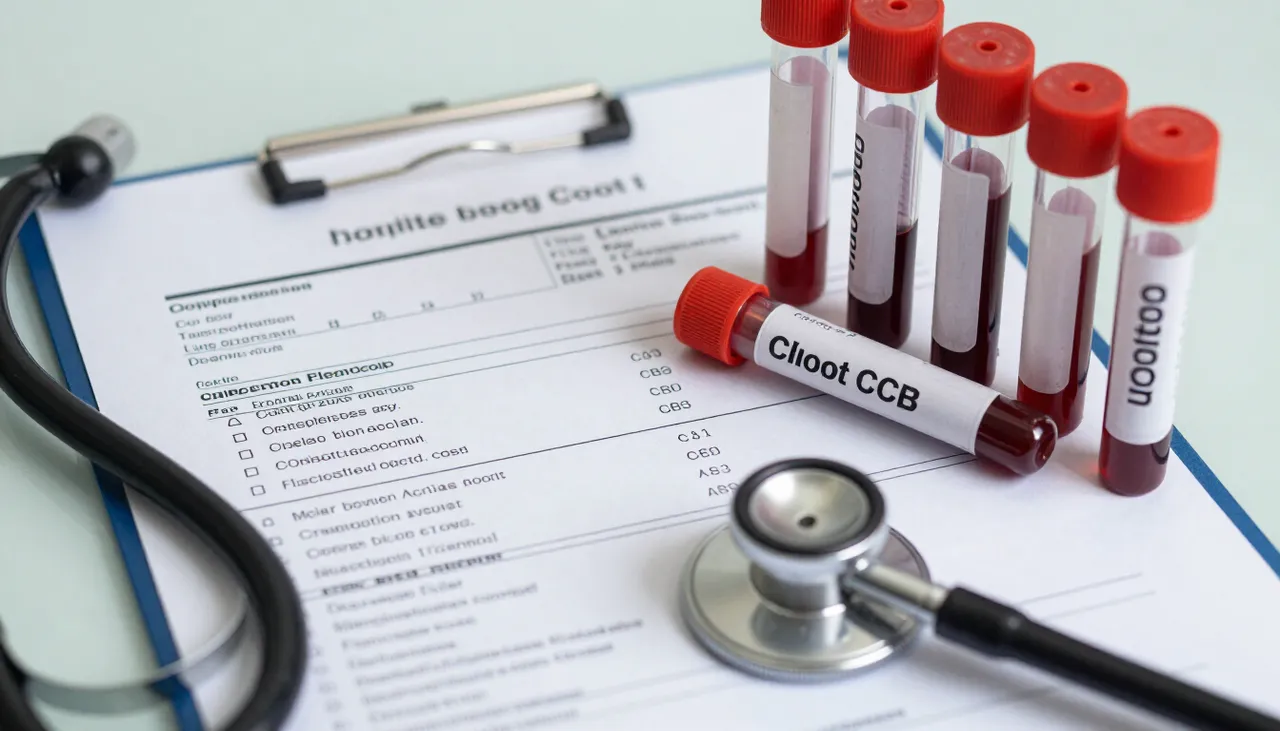
A complete blood count (CBC) is one of the commonest blood tests and reports three main lines: the red blood cells (haemoglobin and indices such as MCV), the white blood cells (total count and the differential of types), and the platelets. Each line can be high, low or normal, and an abnormal CBC is a starting point for evaluation rather than a diagnosis. This is the central interpretation page; the individual abnormalities each have their own focused pages that link from here.
Reading the three lines
- Red cells — haemoglobin, haematocrit, MCV (size), MCH (haemoglobin per cell) and RDW (variation in size). Low haemoglobin is anaemia (see Anaemia, Low Haemoglobin).
- White cells — total count plus neutrophils, lymphocytes, eosinophils, monocytes and basophils. High or low counts point to infection, inflammation or other causes (see High White Blood Cell Count, Low White Blood Cell Count).
- Platelets — cells that help clotting. High or low counts have their own causes (see High Platelet Count, Low Platelet Count).
A single abnormal value
A single mildly abnormal value is often harmless or transient — a recent viral illness, mild dehydration, a sample-handling effect, or a normal individual variation. The first step is usually to repeat the test. Persistent, marked, or combined abnormalities (more than one line affected) need proper evaluation. See Abnormal Blood Counts and Abnormal Test Results.
When the whole count is considered together
The lines are interpreted together. A low haemoglobin with small cells points to iron deficiency; a low haemoglobin with large cells to B12 or folate deficiency; a high white count with a shift in neutrophils to bacterial infection; a low platelet count with a high white count to several possibilities needing assessment. The peripheral smear — looking at the cells under the microscope — adds important detail when the count is abnormal.
Evaluation and investigations
Evaluation repeats the count, reviews the smear, and adds targeted tests based on which line is abnormal — iron studies, B12 and folate, reticulocyte count, inflammatory markers, infection screens, or clotting tests. The clinical story (fever, bleeding, weight loss, medicines) guides the choice. See the individual abnormality pages below.
Management overview
Management treats the underlying cause of the abnormality rather than the number itself. The response is confirmed with repeat testing. See Anaemia, High White Blood Cell Count, Low White Blood Cell Count, High Platelet Count and Low Platelet Count.
Warning signs — seek prompt care
- A very low or very high white cell count with fever — urgent.
- A low platelet count with bleeding or bruising — urgent.
- A very low haemoglobin with breathlessness or fainting.
- Abnormalities across all three lines at once — needs prompt assessment.
How we help
Dr. Nayak interprets your CBC as a whole, repeats it to confirm, and orders targeted tests to find the cause of any abnormality, then builds a management plan. Consultations are available in-clinic in Bhubaneswar and over teleconsultation.
Related conditions and patient concerns
Explore more
Related conditions
Explore more
Related services
Take action now
Schedule your consultation today with Dr. Nayak
Don't wait to get the healthcare you deserve. Book your appointment in just a few clicks.