
Anaemia & Blood Problems
High White Blood Cell Count
A raised white blood cell count — what it usually means, how the differential helps, and why it is interpreted with the clinical picture, not as a diagnosis.
Overview
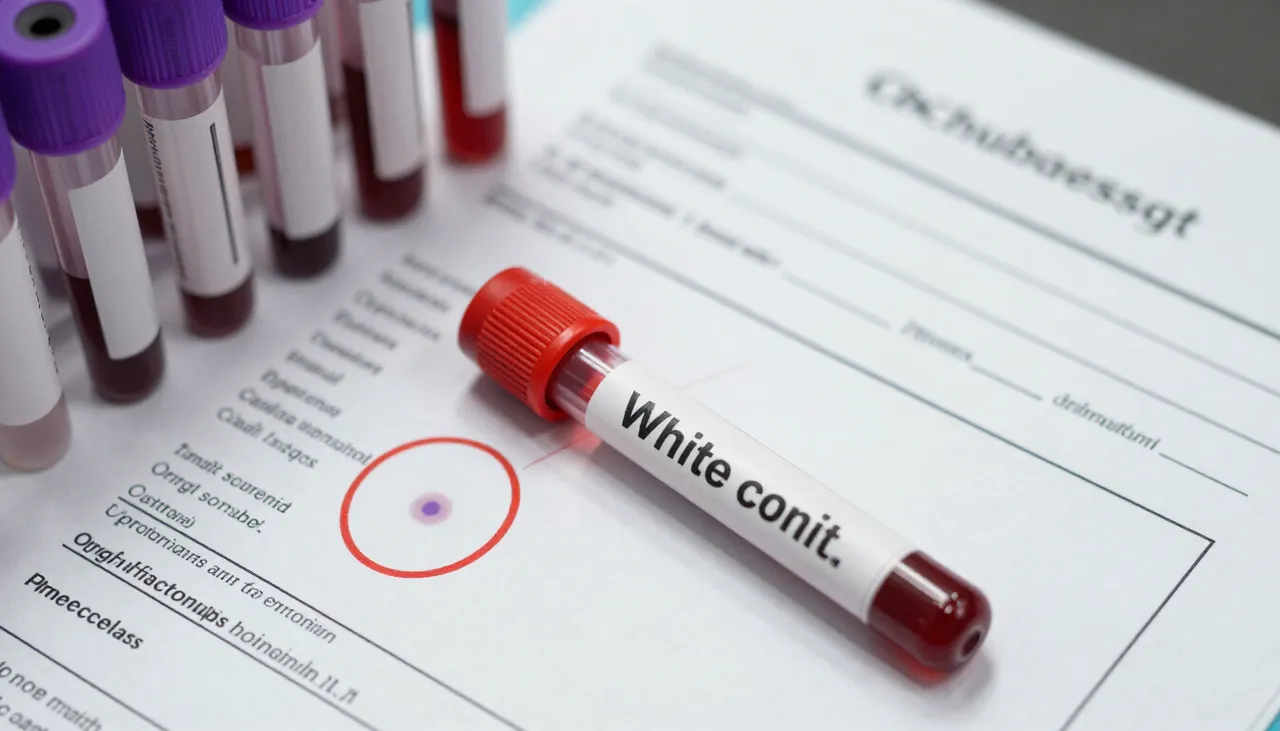
A high white blood cell count (leucocytosis) means there are more white cells than the normal range. White cells are the body’s defence, so a raised count most often reflects the immune system responding — commonly to infection, inflammation, stress, or certain medicines — rather than a disease of the blood itself. A high count is a clue that needs interpreting with the differential (which type of white cell is raised) and the clinical picture, not a diagnosis on its own.
What the differential tells us
- High neutrophils — often bacterial infection, inflammation, stress, steroids or recent surgery.
- High lymphocytes — often viral infection, some chronic infections, or recovery from infection.
- High eosinophils — allergies, asthma, parasitic worms, or some drug reactions (see Respiratory & Breathing Problems).
- High monocytes — chronic inflammation, recovery from infection, or certain infections.
Common causes
Infection is the commonest cause, particularly bacterial. Other causes include inflammation, tissue injury (surgery, trauma, burns), stress, smoking, certain medicines (such as steroids), and, less commonly, blood disorders. A persistently high count without an obvious cause needs further assessment. See Fever & Infectious Diseases and High ESR.
Evaluation and investigations
Evaluation reviews the differential, the clinical story (fever, cough, pain, smoking, medicines), and examination. A repeat count confirms the trend. Inflammatory markers (ESR, CRP), infection screens, and a peripheral smear are added as indicated. A persistently or very high count without a clear cause may need specialist assessment. See Abnormal Complete Blood Count (CBC) and Abnormal Test Results.
Management overview
Management treats the underlying cause — antibiotics for bacterial infection, treatment of inflammation, review of medicines — and the count usually settles as the cause resolves. A high count is not treated in isolation. See Fever & Infectious Diseases.
Warning signs — seek prompt care
- A very high white cell count with high fever or severe illness — urgent.
- A persistently high count with weight loss, night sweats or enlarged glands — needs prompt assessment.
How we help
Dr. Nayak interprets the high white cell count with the differential and your story, identifies the cause, and treats it — arranging further assessment when the count is unexplained or persistent. Consultations are available in-clinic in Bhubaneswar and over teleconsultation.
Related conditions and patient concerns
Explore more
Related conditions
Explore more
Related services
Take action now
Schedule your consultation today with Dr. Nayak
Don't wait to get the healthcare you deserve. Book your appointment in just a few clicks.