
Skin Problems
Hives / Urticaria
Raised, itchy welts that appear suddenly and often come and go — common triggers, acute versus chronic forms, and when to seek urgent care.
Overview
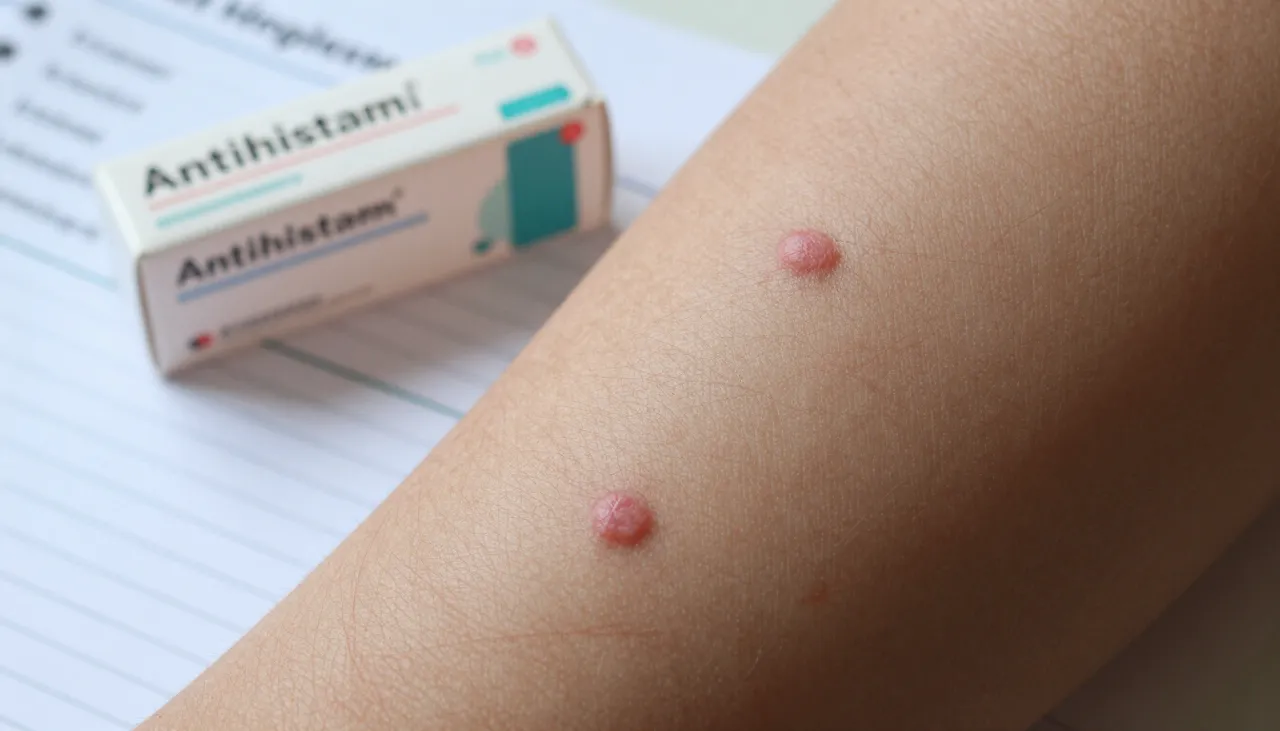
Hives (urticaria) are raised, smooth, itchy welts that can appear anywhere on the body, change shape and location, and often come and go within hours. They are a common allergic-type skin reaction. Individual welts usually clear within a day, but new ones can keep appearing. Hives are called acute when they last under six weeks and chronic when they persist beyond that.
Common triggers
- Infections — especially viral infections (see Fever & Infectious Diseases).
- Food and food additives.
- Medicines — antibiotics, painkillers, and others.
- Insect stings and bites.
- Physical triggers — heat, cold, pressure, sweat, exercise, sunlight.
- Stress, and often no identifiable trigger (especially in chronic hives).
Evaluation
Acute hives are usually diagnosed from the history and appearance, and often settle with antihistamines and trigger avoidance. Chronic hives need a more thorough review for underlying triggers — infection, thyroid disease, medicines, or an autoimmune process — and may warrant blood tests including thyroid function. See Thyroid Disorders and Abnormal Test Results.
Management overview
Management uses antihistamines to control the itch and welts, identifies and avoids triggers where possible, and treats any underlying cause found. Chronic hives sometimes need longer courses and, occasionally, specialist input. Cool compresses and loose clothing help symptomatically.
Warning signs — seek prompt care
- Hives with swelling of the lips, tongue or throat, wheeze or faintness — possible anaphylaxis, emergency.
- Hives with breathing difficulty or a sudden drop in blood pressure — emergency.
- Hives accompanied by widespread skin swelling (angioedema) — urgent.
How we help
Dr. Nayak distinguishes acute from chronic hives, identifies likely triggers, begins antihistamine treatment, and investigates for underlying causes in persistent cases — referring to an allergy or dermatology specialist when needed. Consultations are available in-clinic in Bhubaneswar and over teleconsultation.
Related conditions and patient concerns
Explore more
Related conditions
Explore more
Related services
Take action now
Schedule your consultation today with Dr. Nayak
Don't wait to get the healthcare you deserve. Book your appointment in just a few clicks.