
Kidney Health
Albuminuria
The canonical page for albumin in the urine — what albuminuria means, how it is detected and staged, and why it is a key early marker of kidney filter damage.
Overview
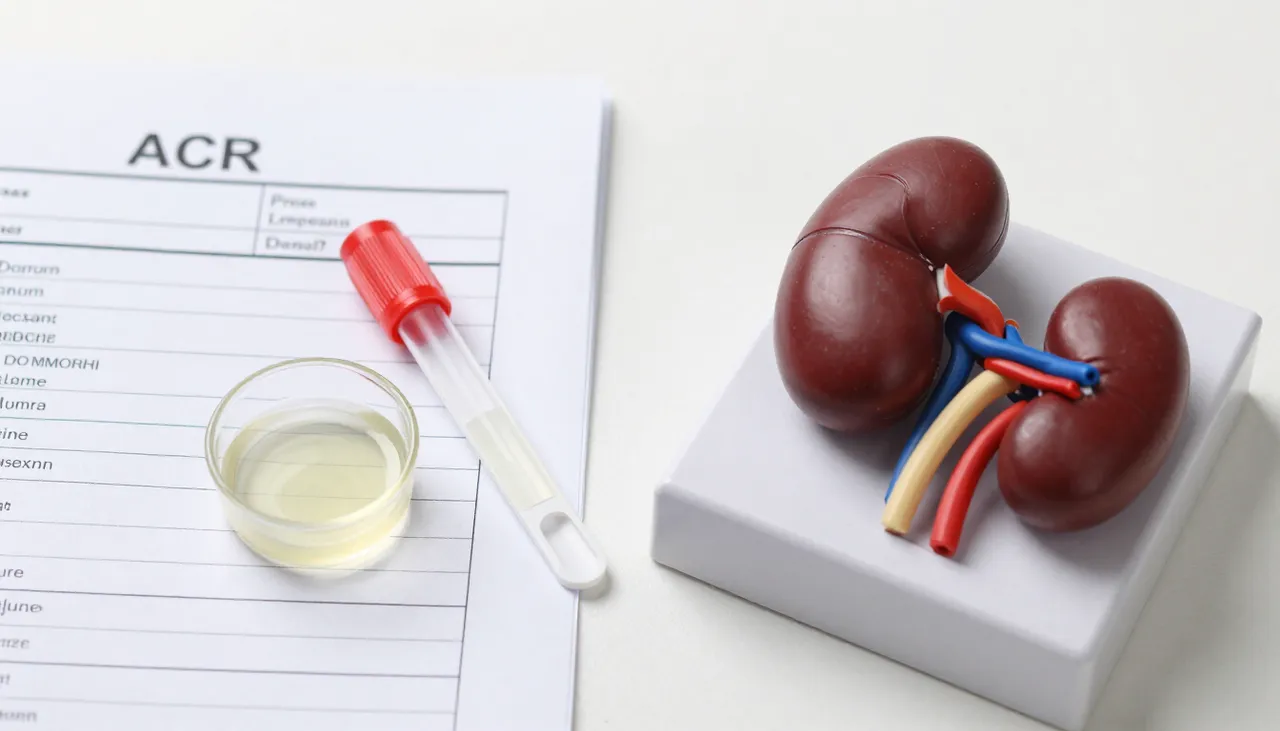
Albuminuria means the presence of albumin — the main protein in the blood — in the urine. It is the earliest and most specific sign that the kidney filters are leaking, and it usually appears long before blood tests of kidney function change. Because it develops silently, urine albumin testing is a routine part of care for everyone with diabetes or high blood pressure. This is the canonical page for albumin in the urine; the earliest detectable stage (microalbuminuria) has its own page focused on screening and early detection, and the test that quantifies the leak is covered on the ACR page.
How albuminuria is defined and staged
Albuminuria is measured by the urine albumin-to-creatinine ratio (ACR) on a random urine sample. An ACR below 30 mg/g is normal; 30–300 mg/g is moderately increased (often called microalbuminuria, the earliest stage); and above 300 mg/g is severely increased (overt albuminuria). The stage matters because the higher the leak, the greater the risk of progression — and the more intensive the protective treatment needed.
Common causes and associated conditions
- Diabetic kidney disease — the commonest cause (see Diabetic Kidney Disease).
- High blood pressure and hypertensive kidney disease.
- Glomerular (filter) inflammation and autoimmune disease.
- A urinary tract infection or fever causing a temporary rise.
- Heart failure and conditions that raise venous pressure.
Symptoms
Albuminuria itself causes no symptoms. Heavy leak may make the urine appear foamy, and long-standing leak may contribute to swelling of the legs or face as protein is lost from the blood. Most cases are found only on testing.
Evaluation and investigations
Evaluation confirms the leak with a laboratory ACR (repeated to confirm, since a single result can be affected by exercise, fever or illness), checks kidney function (creatinine and eGFR), looks for diabetes and high blood pressure, examines the urine under the microscope, and arranges an ultrasound of the kidneys. Persistent albuminuria with reduced function may need further specific tests.
Management overview
Management is directed at the cause and at reducing the leak. For diabetic and hypertensive albuminuria, the cornerstone is tight blood pressure and sugar control with specific medicines that reduce the protein leak and protect the filters. Dietary salt is moderated. The ACR is re-checked over time to confirm the leak is improving or stable.
Follow-up and monitoring
Albuminuria is monitored with periodic urine ACR alongside kidney function and blood pressure. See Kidney Health Monitoring.
Warning signs — seek prompt care
- Heavy albumin leak with swelling of the legs or face.
- Foamy urine with swelling and rising blood pressure.
- Albuminuria with rising creatinine or falling eGFR.
How we help
Dr. Nayak confirms the leak with laboratory ACR, identifies the cause, and builds a protective plan with regular monitoring. Consultations are available in-clinic in Bhubaneswar and over teleconsultation.
Related conditions and patient concerns
Explore more
Related conditions
Explore more
Related services
Take action now
Schedule your consultation today with Dr. Nayak
Don't wait to get the healthcare you deserve. Book your appointment in just a few clicks.