
Kidney Health
Low eGFR
Focused on the eGFR result — what estimated glomerular filtration rate measures, what a low value means, and how it is interpreted alongside the urine and the overall picture.
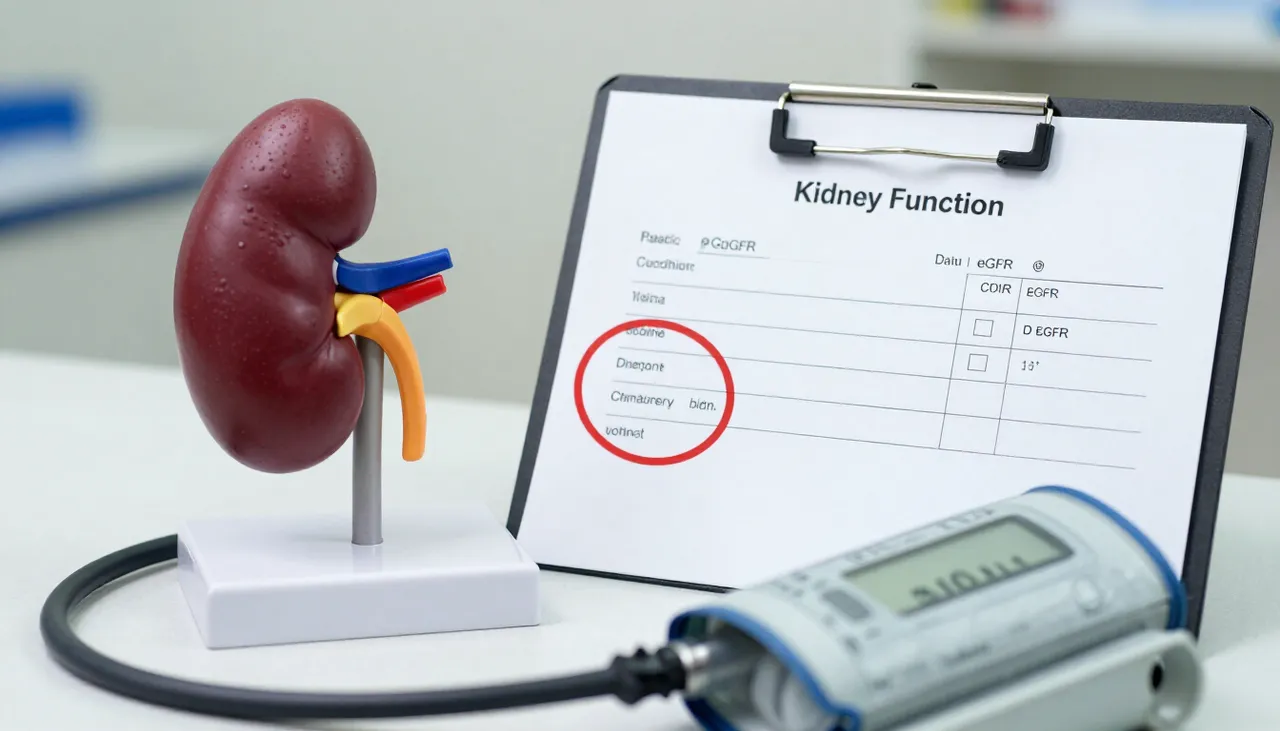
Overview
The estimated glomerular filtration rate (eGFR) is a calculated measure of how well the kidneys are filtering, derived from the creatinine in your blood together with your age and sex. A normal eGFR is around 90 or above. A lower eGFR indicates reduced filtering capacity, and the broad categories run from G1 (90 or above) down to G5 (below 15, kidney failure). eGFR is generally a better overall measure of kidney function than creatinine alone, because it accounts for age and sex. This page focuses on the eGFR result; the disease it may point to is covered on the Chronic Kidney Disease page.
What a low eGFR means
A mildly low eGFR in an older person may simply reflect normal age-related change, while the same value in a younger person may be more significant. eGFR is also less accurate at the high end and in people with very high or very low muscle mass, so the result is always read in context. A single low value is not enough — the trend over time, and the urine ACR alongside it, determine what the eGFR actually means for your risk.
Common causes and contributors
- Chronic kidney disease from diabetes or high blood pressure.
- Age-related decline in kidney function.
- A temporary fall from dehydration, medicines or a recent illness.
- A urinary blockage.
- Very low or very high muscle mass, which can make eGFR less accurate.
Evaluation and investigations
Evaluation includes a repeat eGFR and creatinine, urine routine and ACR, electrolytes, blood sugar or HbA1c and a lipid profile, a complete blood count, and an ultrasound of the kidneys. The result is interpreted alongside the urine ACR to stage any kidney disease, and older results are reviewed to judge the trend.
Management overview
Management depends on whether the low eGFR is temporary or persistent. A temporary fall may simply need re-testing after removing a trigger. A persistent low eGFR is managed as described on the Chronic Kidney Disease page — cause-directed treatment, protective medicines, and avoidance of further kidney injury.
Follow-up and monitoring
eGFR is monitored over time to confirm the trend; the frequency depends on the level and the urine ACR. See Kidney Health Monitoring.
Warning signs — seek prompt care
- A sudden, large fall in eGFR with reduced urine output.
- Swelling with breathlessness.
- Persistent vomiting, drowsiness or confusion.
How we help
Dr. Nayak interprets the eGFR in context — age, muscle mass, trend and urine ACR — and builds a plan that fits the real level of risk. Consultations are available in-clinic in Bhubaneswar and over teleconsultation.
Related conditions and patient concerns
Explore more
Related conditions
Explore more
Related services
Take action now
Schedule your consultation today with Dr. Nayak
Don't wait to get the healthcare you deserve. Book your appointment in just a few clicks.