
Kidney Health
High Creatinine
Focused on the raised creatinine result — what creatinine is, what a high value means, common causes, and the structured assessment that follows. (Also covers “elevated serum creatinine”, which is the same test result.)
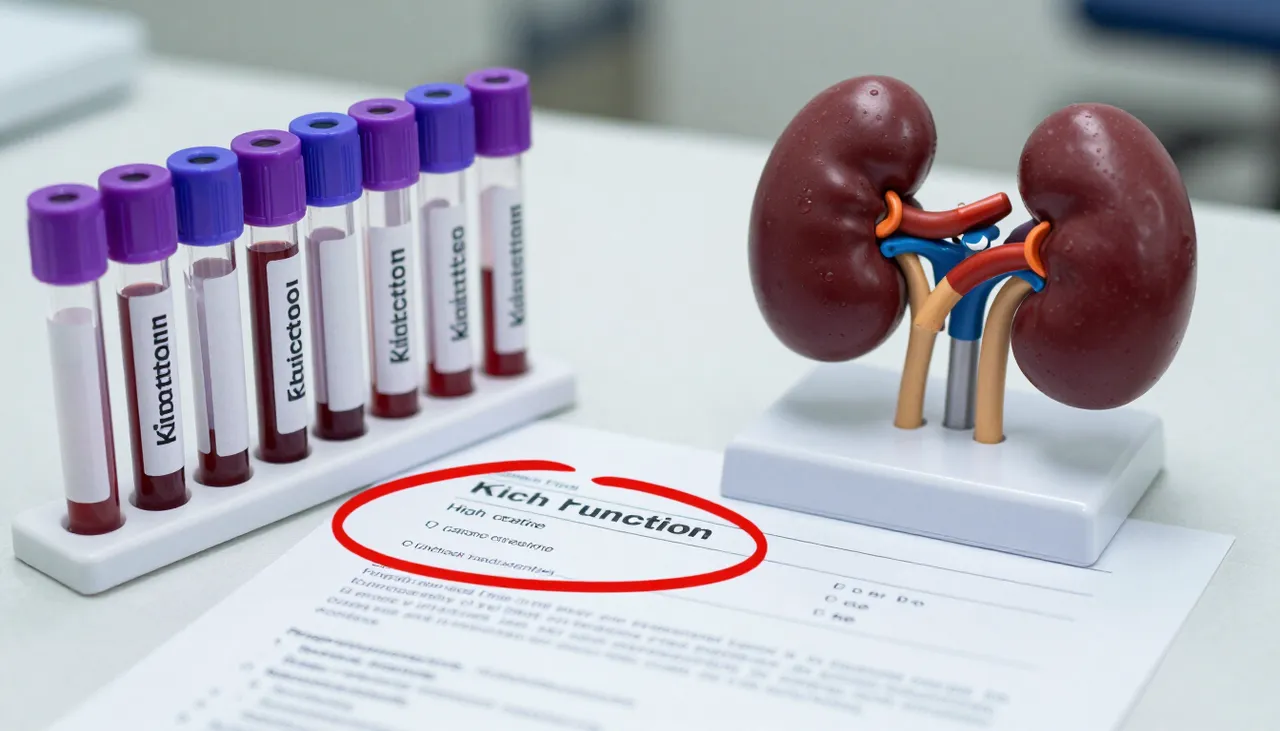
Overview
Creatinine is a waste product generated by muscle and removed from the blood by the kidneys. When kidney filtering falls, creatinine rises in the blood, so serum creatinine is one of the standard markers of kidney function. A raised creatinine is a common reason for referral, but it is not a diagnosis — it is a signal that the kidneys may be working less efficiently, and the next step is always to confirm the result and find the cause. “Elevated serum creatinine” and “high creatinine” describe the same test result and the same concern, so this single page covers both; there is no separate article for elevated serum creatinine.
What the result means
The height of the creatinine and its trend over time matter more than a single reading. A mildly raised value that returns to normal on repeat testing is usually reassuring and may simply reflect dehydration or a muscle-related factor. A persistently raised creatinine, or one that is rising over time, needs investigation. Creatinine is also used to calculate the eGFR, which is a better overall measure of filtering capacity than creatinine alone — see Low eGFR.
Common causes of a raised creatinine
- Dehydration or low fluid intake before the test.
- Kidney-irritating medicines, especially certain over-the-counter painkillers.
- Diabetes or high blood pressure causing chronic kidney disease.
- A urinary blockage, such as a stone or an enlarged prostate.
- A recent illness, infection or contrast dye exposure.
- High muscle mass or a high-meat diet, which can raise creatinine without kidney disease.
- Some supplements and medicines that affect the creatinine reading without harming the kidneys.
Evaluation and investigations
After a repeat test in well-hydrated, controlled conditions, evaluation typically includes eGFR, blood urea and electrolytes, urine routine and ACR, blood sugar or HbA1c and a lipid profile, a complete blood count, and an ultrasound of the kidneys. Older results are compared to judge whether the rise is new or long-standing. Medicines and supplements are reviewed.
Management overview
Management is directed at the cause. For a temporary rise, removing the trigger is often enough. For a persistent rise from chronic kidney disease, treatment follows the cause-directed plan — blood pressure and sugar control, protective medicines, and avoidance of further kidney injury. Creatinine is then re-checked over time to confirm the trend.
Follow-up and monitoring
A repeat test is arranged within a few weeks, and ongoing monitoring is set according to the cause and trend. See Kidney Health Monitoring.
Warning signs — seek prompt care
- A sudden, large rise in creatinine, especially with reduced urine output.
- Swelling with breathlessness.
- Persistent vomiting, drowsiness or confusion.
How we help
Dr. Nayak interprets the creatinine result in context, repeats and extends the testing, identifies the cause, and builds a cause-directed plan with follow-up re-testing. Consultations are available in-clinic in Bhubaneswar and over teleconsultation.
Related conditions and patient concerns
Explore more
Related conditions
Explore more
Related services
Take action now
Schedule your consultation today with Dr. Nayak
Don't wait to get the healthcare you deserve. Book your appointment in just a few clicks.