
Kidney Health
Abnormal Kidney Function Tests
The broader overview of an abnormal kidney panel — creatinine, eGFR, urea and electrolytes — and how the pattern is read together rather than as isolated numbers.
Overview
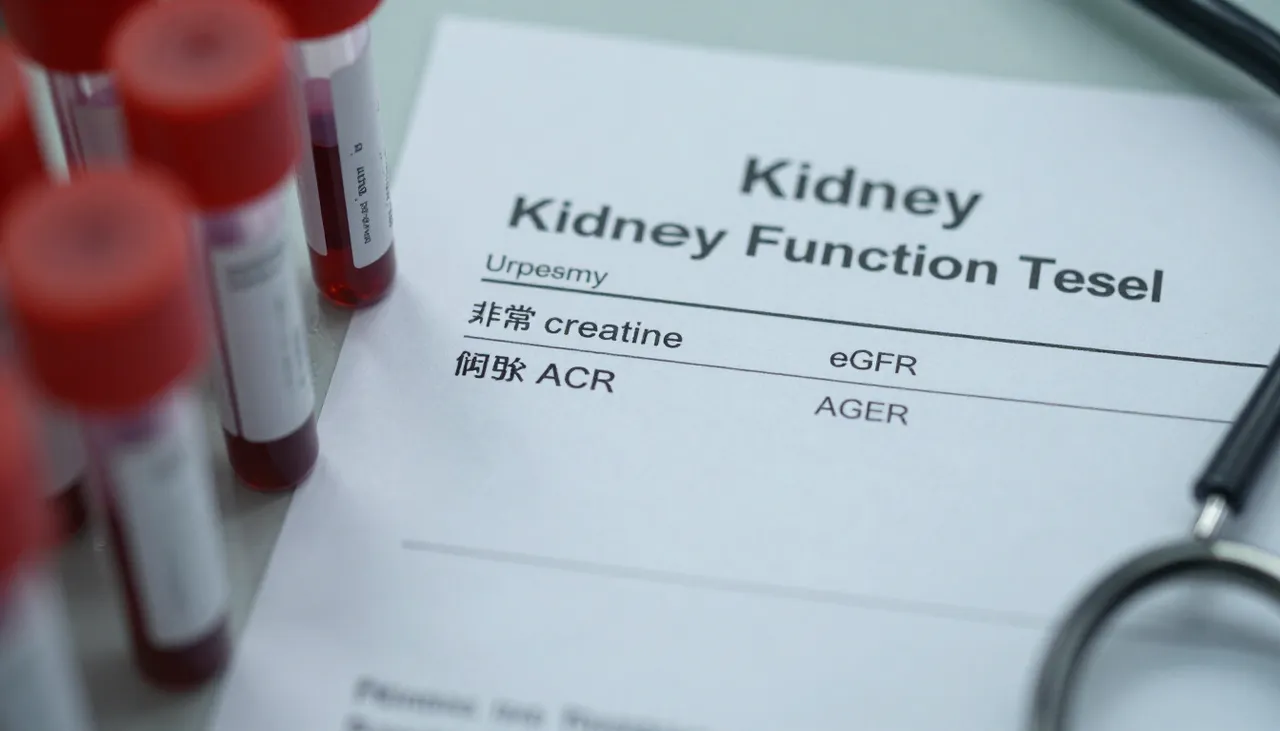
A “kidney function test” panel usually includes serum creatinine, eGFR, blood urea, and electrolytes (sodium, potassium, chloride and bicarbonate). An abnormal result in any of these is a common reason for review, but the panel is read as a pattern rather than as isolated numbers — a raised creatinine with low eGFR points to reduced filtering, while an abnormal potassium or bicarbonate may point to a specific kidney-handling problem. This page gives the broader overview; High Creatinine, Low eGFR and Reduced Kidney Function cover the individual results in more detail.
What each part of the panel shows
- Creatinine and eGFR — overall filtering capacity.
- Blood urea — waste handling, though it is also affected by hydration and diet.
- Sodium — fluid and salt balance.
- Potassium — a critical level that the kidneys regulate; high or low values need attention.
- Bicarbonate — the acid–base balance the kidneys maintain.
- Chloride — read alongside sodium and bicarbonate.
Common reasons for an abnormal panel
- Dehydration or low fluid intake before the test.
- Chronic kidney disease from diabetes or high blood pressure.
- Medicines that affect kidney function or electrolytes.
- A urinary blockage or recent illness.
- Acid–base or salt-handling disorders.
Evaluation and investigations
After a repeat panel in controlled conditions, evaluation typically adds urine routine and ACR, blood sugar or HbA1c and a lipid profile, a complete blood count, and an ultrasound of the kidneys. Medicines are reviewed, since several common medicines affect electrolytes and creatinine. The pattern of abnormalities — not any single number — guides the next steps.
Management overview
Management is directed at the cause and the specific abnormality. Electrolyte disturbances are corrected carefully, often with medicine adjustment; a persistent fall in filtering capacity is managed as described on the Chronic Kidney Disease page. The panel is re-checked over time to confirm improvement.
Follow-up and monitoring
A repeat panel is arranged within a few weeks, and ongoing monitoring is set according to the abnormality and its cause. See Kidney Health Monitoring.
Warning signs — seek prompt care
- A very high or very low potassium level — can affect the heart and needs prompt assessment.
- A sudden, large rise in creatinine with reduced urine output.
- Persistent vomiting, drowsiness, palpitations or weakness with an abnormal panel.
How we help
Dr. Nayak reads the panel as a pattern, repeats it in controlled conditions, identifies the cause, and builds a plan that addresses both the filtering capacity and any electrolyte or acid–base disturbance. Consultations are available in-clinic in Bhubaneswar and over teleconsultation.
Related conditions and patient concerns
Explore more
Related conditions
Explore more
Related services
Take action now
Schedule your consultation today with Dr. Nayak
Don't wait to get the healthcare you deserve. Book your appointment in just a few clicks.