
Hypertension & Cardiovascular Risk
Blood Pressure Monitoring
Why blood pressure is measured the way it is — the different methods of monitoring, and which is right for confirming and following up hypertension.
Overview
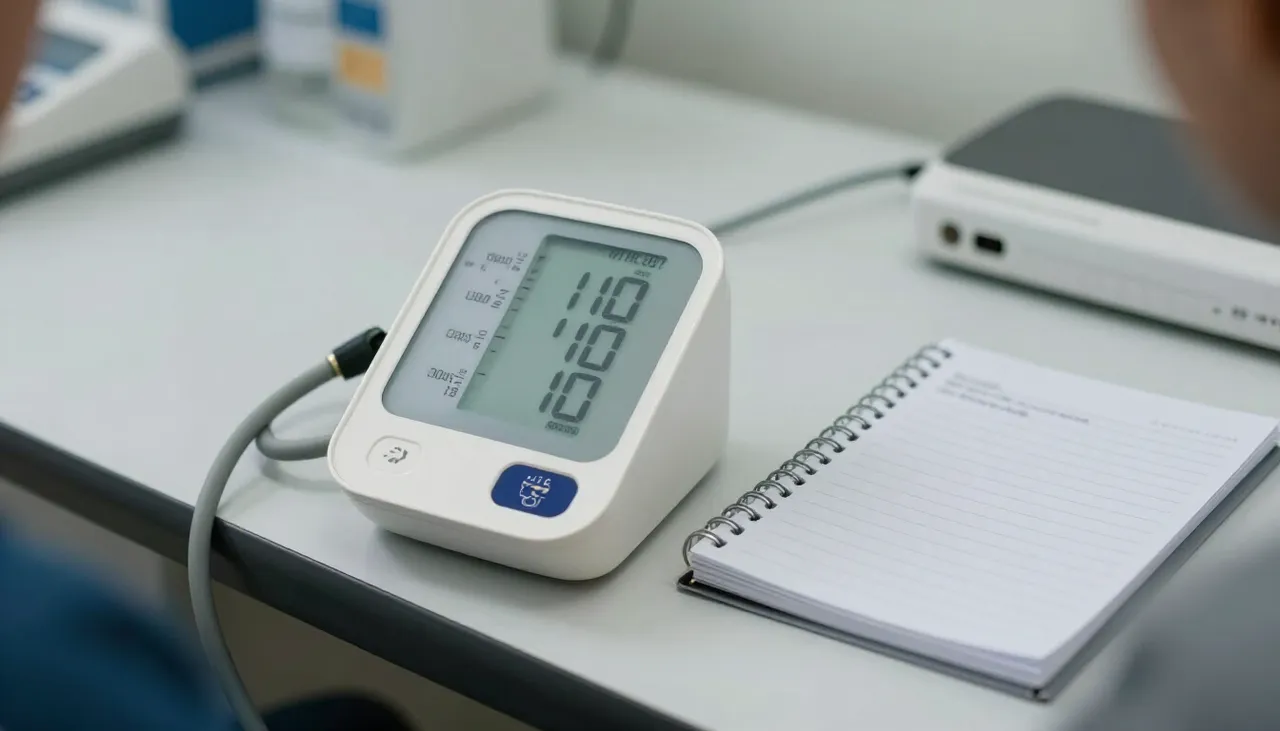
Blood pressure monitoring is the foundation of hypertension care — without accurate, repeated measurements you cannot diagnose, treat or follow up high blood pressure reliably. Because pressure varies naturally through the day, the way it is measured matters as much as the reading itself. This page explains the different monitoring methods and when each is used.
For the practical guide to self-measurement, see Home Blood Pressure Monitoring; for the 24-hour test, see Ambulatory Blood Pressure Monitoring.
Why monitoring matters
- A single reading is not enough to diagnose hypertension.
- Readings vary with stress, activity, caffeine and time of day.
- Some people are high only in clinic (white-coat) or only at home (masked).
- Treatment decisions depend on the true average, not one moment.
- Follow-up needs consistent, comparable readings over time.
Methods of monitoring
- Clinic readings — measured in the surgery; useful but influenced by the white-coat effect.
- Home monitoring — self-readings over several days; reflects your usual pressure in daily life.
- Ambulatory monitoring (ABPM) — a 24-hour recording; the most accurate single assessment.
Correct technique
- Rest quietly for five minutes before measuring.
- Sit with back supported, feet flat, arm supported at heart level.
- Use the right cuff size — a small cuff over-reads.
- Avoid caffeine, exercise and smoking for 30 minutes beforehand.
- Take two readings a minute apart and record the average.
- Record the time, circumstances and any symptoms with each reading.
Which method when
Clinic readings are the starting point. Home monitoring is excellent for confirming a new diagnosis and for long-term follow-up. Ambulatory monitoring is used when clinic and home readings disagree, when white-coat or masked hypertension is suspected, or when a single accurate assessment is needed — for example before starting or changing treatment.
How we help
Dr. Nayak advises on the right monitoring method for your situation, ensures your technique and cuff are correct, and uses your readings — clinic, home or ambulatory — to make accurate treatment decisions. He helps you keep a useful record so follow-up is based on reliable data. Consultations are available in-clinic in Bhubaneswar and over teleconsultation.
Related conditions and patient concerns
Monitoring underpins every hypertension decision. These related pages explain the specific methods.
Explore more
Related conditions
Explore more
Related services
Take action now
Schedule your consultation today with Dr. Nayak
Don't wait to get the healthcare you deserve. Book your appointment in just a few clicks.