Diabetes & Metabolic Health
Uncontrolled Diabetes
Blood sugar stays above target despite treatment — sugars that need a careful review of medicines, diet and lifestyle.
Overview
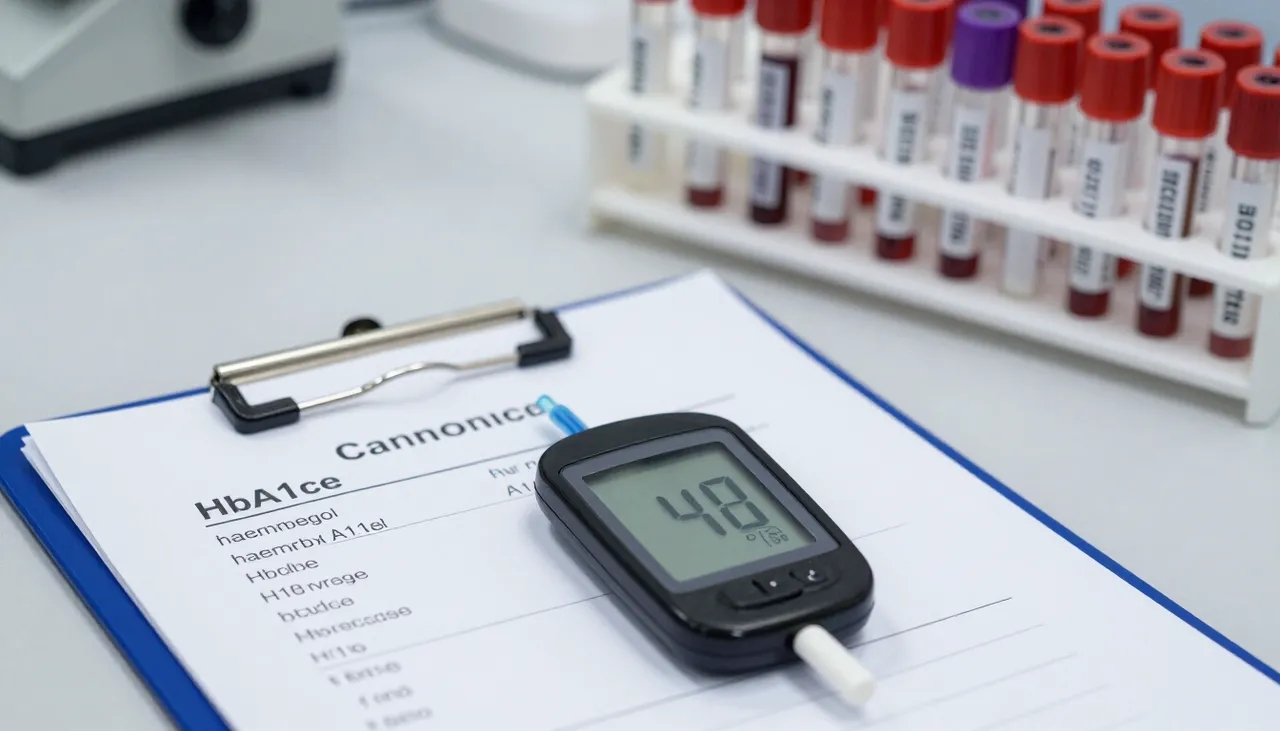
Diabetes is described as “uncontrolled” when blood sugar remains above the target range despite being on treatment. This may show up as high fasting sugar, high post-meal sugar, a raised HbA1c, or symptoms such as thirst, frequent urination and fatigue returning. Uncontrolled diabetes raises the risk of complications over time, so it should be addressed promptly rather than left to drift.
This page is for people already diagnosed and treated for diabetes whose sugar is not settling. If you have had a single high reading but are not yet on treatment, see High Blood Sugar; if you want to understand the long-term tracking number, see HbA1c Management.
Signs your diabetes may be uncontrolled
- Fasting sugar consistently above your agreed target.
- Post-meal sugar readings that stay high for hours.
- A rising HbA1c on your latest report.
- Returning symptoms — thirst, frequent urination, fatigue, blurred vision.
- Recurrent infections or slow-healing wounds.
- Unexpected weight loss despite eating normally.
Common reasons sugar stays high
- Medicines that are under-dosed, missed or no longer effective.
- Diet patterns that overload sugar after meals.
- Weight gain or reduced physical activity.
- Intercurrent illness, infection or stress.
- Incorrect timing of medicines relative to meals.
- Long-standing diabetes where the pancreas is producing less insulin over time.
What an uncontrolled-diabetes review involves
Bringing sugar back into range is rarely about simply adding another tablet. Dr. Nayak takes a structured approach to find what is actually driving the high readings.
- A full review of every medicine, its dose and its timing.
- Analysis of your recent sugar logs and HbA1c trend.
- Assessment of diet patterns, weight and activity.
- Checks for illness, infection or other conditions raising sugar.
- Screening for early complications if sugar has been high for a while.
Risks of leaving sugar uncontrolled
Persistently high sugar quietly damages the heart, kidneys, eyes, nerves and feet over months and years. The longer it stays above target, the higher the risk of these complications. The encouraging part is that bringing sugar back into range — even after a period of poor control — meaningfully lowers that risk, so a review is always worthwhile, not only when things seem severe.
How we help
Dr. Nayak reviews your full treatment — medicines, timing, diet and lifestyle — alongside your recent reports, identifies what is driving the high readings, and adjusts the plan in a structured way. The goal is to bring sugar back into the target range safely, without causing lows, and to set up follow-up that keeps it there. Consultations are available in-clinic in Bhubaneswar and over teleconsultation.
Related conditions and patient concerns
Uncontrolled diabetes often connects to medication, monitoring and complication-prevention topics. Explore any of these to understand the wider picture.
Explore more
Related conditions
Explore more
Related services
Take action now
Schedule your consultation today with Dr. Nayak
Don't wait to get the healthcare you deserve. Book your appointment in just a few clicks.