
Diabetes & Metabolic Health
Diabetes Diet & Lifestyle
Practical, Indian-meal-friendly guidance on eating, activity and daily routine that lowers sugar without extreme diets.
Overview
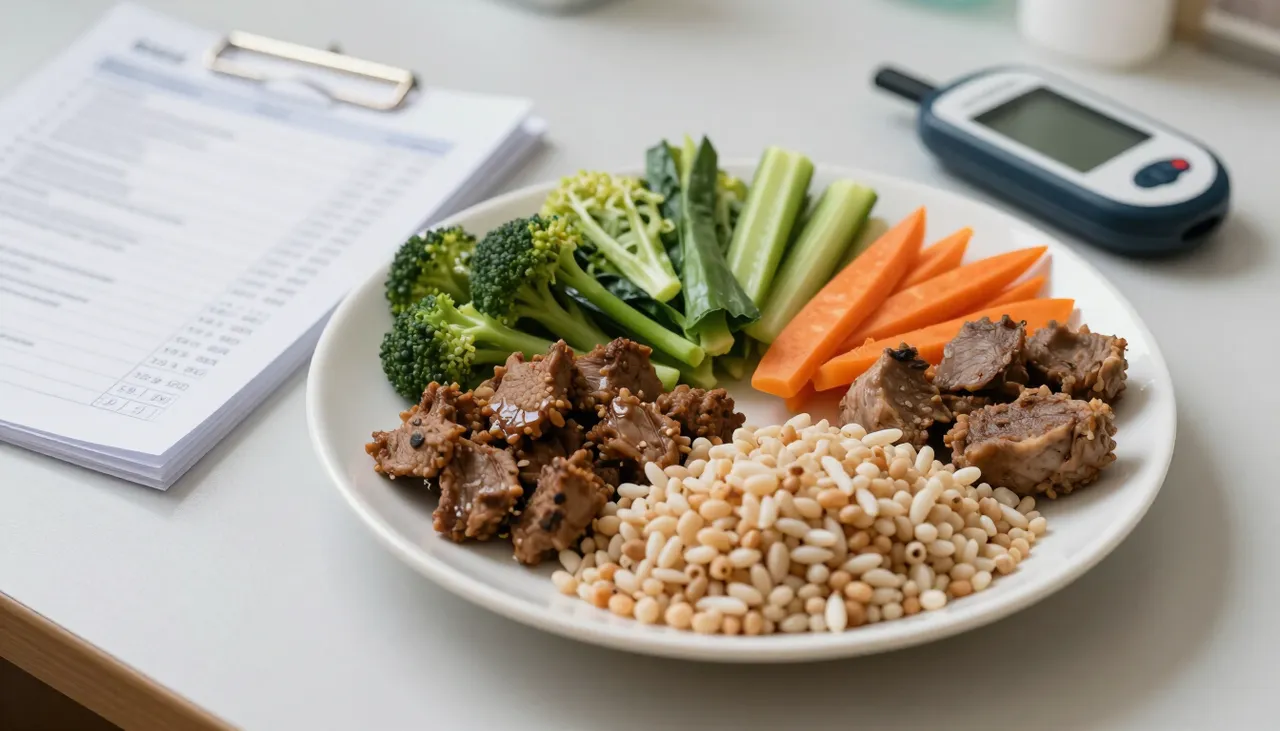
No medicine can fully compensate for an unhealthy diet and an inactive day. Diet and lifestyle are the foundation of diabetes care — and they do not require starving yourself or giving up the foods you love. Small, consistent changes to how you eat, move and sleep often bring sugar down as effectively as an extra tablet, and they protect the heart and weight at the same time.
This page is the practical guide to everyday eating and activity with diabetes. For a combined sugar-and-weight plan see Diabetes and Weight Management, and for the medical treatment side see the related pages below.
Core principles we work with
- Balanced plates with the right mix of fibre, protein and complex carbohydrates.
- Smaller, regular meals to avoid both after-meal spikes and long gaps.
- Cutting back on sugary drinks, sweets and refined starches.
- Building daily activity into your routine — a walk after meals is surprisingly effective.
- Adequate sleep and stress management, both of which quietly affect sugar.
- Staying well hydrated with water rather than sugary beverages.
Indian meals and practical swaps
Healthy eating with diabetes does not mean abandoning Indian food. The aim is to adjust familiar meals rather than eat something separate. Practical swaps make a real difference without feeling like a punishment:
- Choose whole-grain roti or brown rice over highly polished white rice and maida.
- Add a protein — dal, paneer, eggs, chicken or curd — to every meal to slow sugar rise.
- Include a generous portion of vegetables or salad to add fibre.
- Replace sugary chai snacks with nuts, roasted chana or a piece of fruit.
- Limit deep-fried foods and sweets to occasional, smaller portions.
- Be mindful of fruits — whole fruit is fine, but fruit juices spike sugar quickly.
Activity that fits your day
- A 15–20 minute walk after the main meals meaningfully lowers post-meal sugar.
- Aim for at least 150 minutes of moderate activity spread across the week.
- Simple strength work, such as light weights or resistance bands, improves insulin action.
- Break up long periods of sitting with short movement breaks.
- Check sugar before and after unusual activity if you are on insulin or sulfonylureas.
Sleep and stress
Poor sleep and chronic stress raise stress hormones that push sugar up, often without people realising it. Protecting seven to eight hours of sleep and finding a simple way to manage stress — whether walking, breathing exercises, or simply pacing the day better — is a genuine part of diabetes care, not an afterthought.
Common myths
- “Bitter foods cure diabetes” — they do not; no single food lowers sugar meaningfully.
- “Skipping meals controls sugar” — it often causes swings and, on medication, dangerous lows.
- “Rice is forbidden” — moderate portions of rice with protein and fibre are fine for most.
- “Sugar-free biscuits are safe in any amount” — many are high in fat and refined flour.
How we help
Dr. Nayak gives realistic, culturally appropriate guidance built around the meals you actually eat, with practical swaps rather than rigid rules. The plan is reviewed at each visit and adjusted to your progress, so healthy habits become sustainable rather than a short-lived effort. Consultations are available in-clinic in Bhubaneswar and over teleconsultation.
Related conditions and patient concerns
Diet and lifestyle underpin every other part of diabetes care. These related pages show how the pieces fit together.
Explore more
Related conditions
Explore more
Related services
Take action now
Schedule your consultation today with Dr. Nayak
Don't wait to get the healthcare you deserve. Book your appointment in just a few clicks.