
Patient Education
GLP‑1 Medicines: How to Take Them, What to Eat and How to Exercise
A practical guide to taking GLP-1 medicines, managing side effects, planning meals and staying active during treatment for diabetes or weight management.
Clinically reviewed by Dr. Anil Kumar Nayak ·
What are GLP-1 medicines used for?
GLP-1 receptor agonists such as semaglutide can help lower blood sugar and reduce appetite. Tirzepatide acts on two receptors, GIP and GLP-1. In India, the approved use depends on the exact product and formulation. Some are prescribed for type 2 diabetes, others for long-term weight management, and some have both uses. Get these medicines with a prescription from a licensed pharmacy.
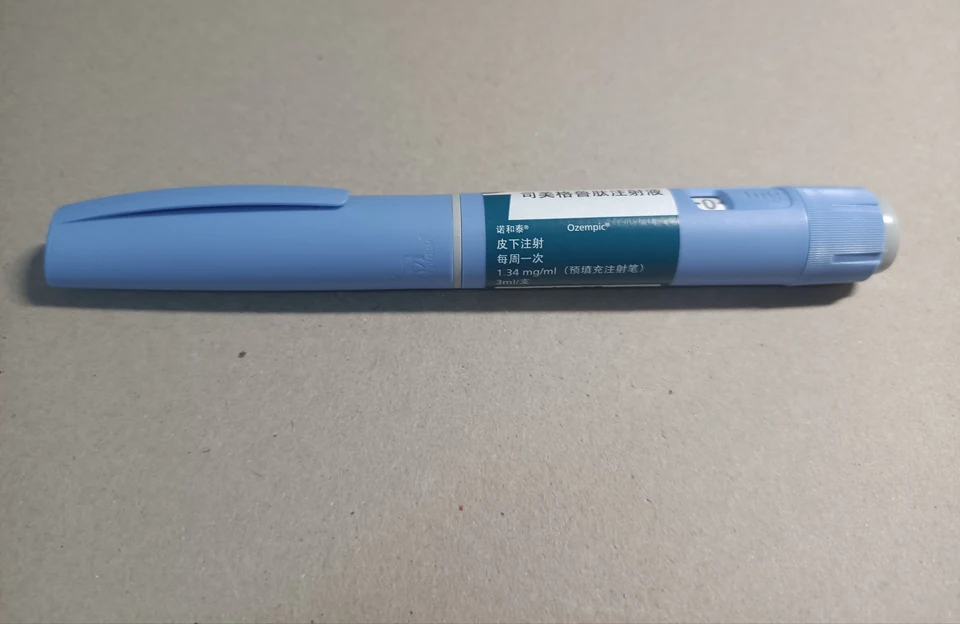
Example of a semaglutide pen sold in mainland China by HualinXMN. Original photo · CC BY-SA 4.0 · Resized and converted to WebP.
How to take a GLP-1 injection or tablet
- Ask your care team to show you how to use your exact pen or vial. Before each injection, check the medicine name, strength and expiry. If your pen takes a removable needle, fit a fresh one and dispose of it as directed. Follow the dose display if your pen has one. Never count clicks to set a dose or share a pen.
- Inject under the skin in an area shown in your leaflet, such as the abdomen or thigh. Choose a different spot each time. Some injections are daily and others weekly. Follow your own product instructions for storage and missed doses. If you miss a dose or have been off treatment, ask before changing or restarting it. Avoid doubling the next dose.
- For Rybelsus oral semaglutide, take the tablet once daily on an empty stomach. Swallow it whole with up to 120 mL of plain water. Wait at least 30 minutes before eating, drinking or taking other oral medicines. Follow the leaflet for your exact tablet.
- Tell your prescriber if you are pregnant, planning pregnancy or breastfeeding. The Indian Rybelsus and Wegovy information advises stopping semaglutide at least two months before a planned pregnancy. Ask your prescriber to help you plan the change.
- Tell your anaesthesia or procedure team before any surgery or procedure involving sedation so they can advise what to do. Keep taking prescribed insulin unless your diabetes team directs you to change it.
What to eat during GLP-1 treatment
- Try smaller meals, eat slowly and stop when comfortably full. If nausea or fullness makes eating difficult, try smaller portions more often and reduce very oily or fried foods if they worsen symptoms.
- Include a protein source at meals, such as dal, chana, curd, tofu, eggs, fish or lean chicken. Add vegetables, fruit and whole grains as tolerated. Ask your care team for a protein goal if your intake is low or you have kidney disease.
- A small meal could be a roti with dal and cooked vegetables, or a small serving of rice with fish and vegetables. Start with the portion you can comfortably eat.
- Sip water regularly. If constipation develops, discuss fluid intake and gradually adding fibre as tolerated. Follow any fluid limit set by your care team.
How to exercise during GLP-1 treatment
Start with activity you can manage, such as a short walk, and build up gradually. If suitable for you, work towards 150 minutes a week of moderate activity and strength exercises on at least two days a week. Chair stands or resistance bands can be starting points. Strength training and adequate protein help preserve muscle during weight loss.
If you have a foot ulcer, new foot pain or difficulty walking, ask your care team which activities are safe. If you also take insulin or a sulfonylurea such as glimepiride, ask when to check blood sugar around activity and carry fast-acting carbohydrate.
Side effects and when to get help
Sources
- CDSCO — New drug approvals in India
- Government of India — Safe use and regulation of GLP-1 medicines
- Novo Nordisk India — Wegovy prescribing information
- Eli Lilly India — Mounjaro KwikPen marketing authorisation
- Novo Nordisk India — Rybelsus abbreviated prescribing information
- Joint clinical advisory — Nutrition during GLP-1 therapy
- American Diabetes Association 2026 — Physical activity and health behaviours
- American Diabetes Association 2026 — GLP-1 medicines before procedures
- Government of India — 112 emergency response
Take action now
Have a question about your health?
Book a consultation with Dr. Anil Kumar Nayak for personalised, evidence-based advice.