
Swelling & Oedema
Fluid Retention
The feeling of holding water — tight rings, puffy fingers and bloating — how it overlaps with oedema, the causes, and when it needs assessment.
Overview
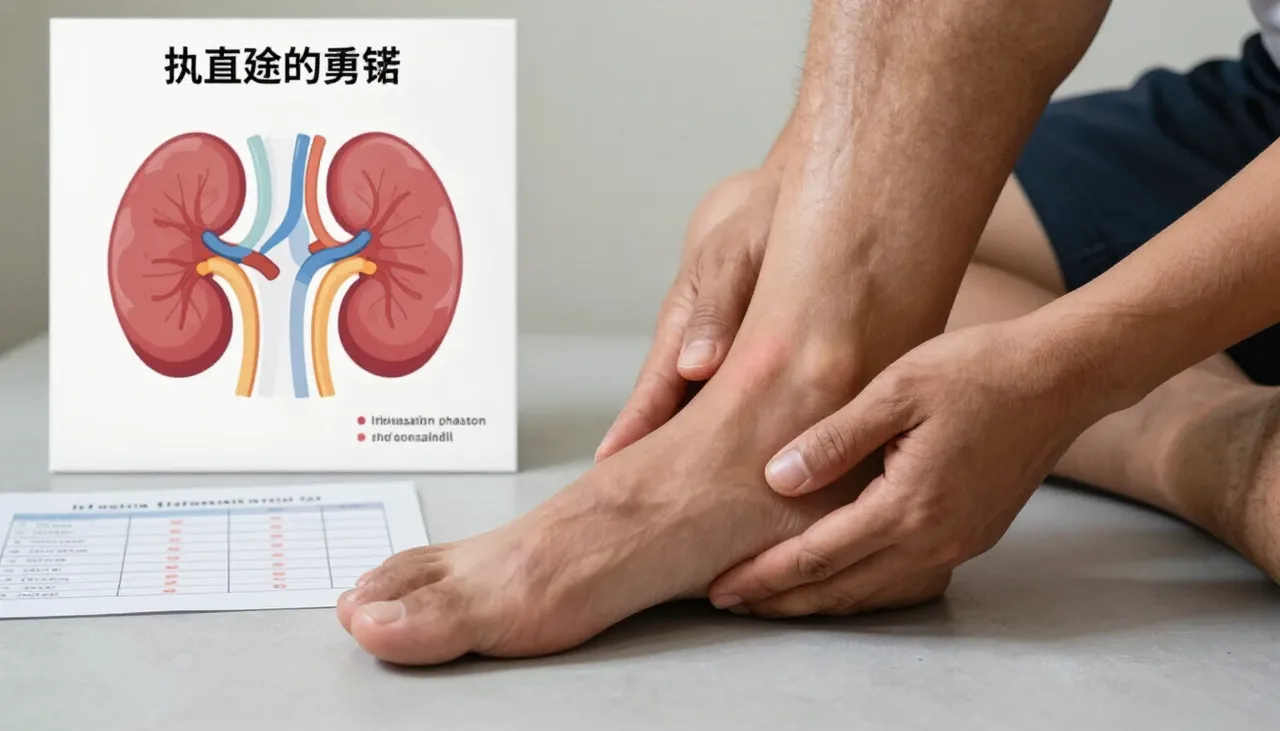
“Fluid retention” is the phrase many people use for the feeling of holding water — tight rings, puffy fingers, bloating, or weight that fluctuates from day to day. It overlaps with oedema but is often used for milder, intermittent symptoms. The assessment is the same as for swelling: confirm whether true oedema is present, identify the pattern (one-sided or both, dependent or generalised), and look for an underlying cause rather than attributing it to “water” alone. This page covers the fluid-retention symptom; the more specific patterns are explored on the linked pages.
Common possible causes
- High salt intake and dietary factors.
- Hormonal factors and the menstrual cycle.
- Prolonged standing or sitting, and heat.
- Venous insufficiency.
- Medicines — calcium-channel blockers, steroids, certain painkillers, hormone therapy.
- Heart, kidney or liver disease when retention is more marked.
- An under-active thyroid.
Symptoms and associated features
Tight rings, puffy fingers, a bloated feeling and day-to-day weight fluctuation are typical. Features that warrant assessment include visible swelling of the feet or legs, facial puffiness, breathlessness, reduced urine output, foamy urine, and a rapid weight gain over days.
Evaluation and investigations
Evaluation combines a history and examination with targeted tests when true oedema or a systemic cause is suspected — kidney function, urine ACR, serum albumin and liver function, complete blood count, thyroid function, blood sugar, and a heart marker where indicated. See Abnormal Test Results.
Management overview
Management treats the cause. Mild retention from diet, hormones or standing responds to reduced salt, movement and elevation; medication-related retention is addressed by medical review and adjustment; and a systemic cause is treated specifically. Fluid tablets are not used for mild retention without a clear medical reason.
Follow-up and monitoring
Follow-up confirms the symptoms are settling and any underlying cause is controlled. Persistent or worsening fluid retention is reviewed and referred for specialist care when appropriate.
Warning signs — seek urgent care
- Fluid retention with breathlessness, especially on lying flat — urgent.
- Rapid weight gain over days with reduced urine output — urgent.
- Retention with visible leg or facial swelling that does not settle — assess.
- Retention with chest pain or fainting — emergency.
How we help
Dr. Nayak distinguishes benign fluid retention from true oedema with a structured assessment and targeted tests, treats any underlying cause, and arranges prompt further care when warning features are present. Consultations are available in-clinic in Bhubaneswar and over teleconsultation.
Related conditions and patient concerns
Explore more
Related conditions
Explore more
Related services
Take action now
Schedule your consultation today with Dr. Nayak
Don't wait to get the healthcare you deserve. Book your appointment in just a few clicks.