
Palpitations & Cardiovascular Symptoms
Blood Pressure Fluctuations
Readings that swing high and low — the common causes from white-coat effect and medication to standing-related drops, how they are assessed, and when they need attention.
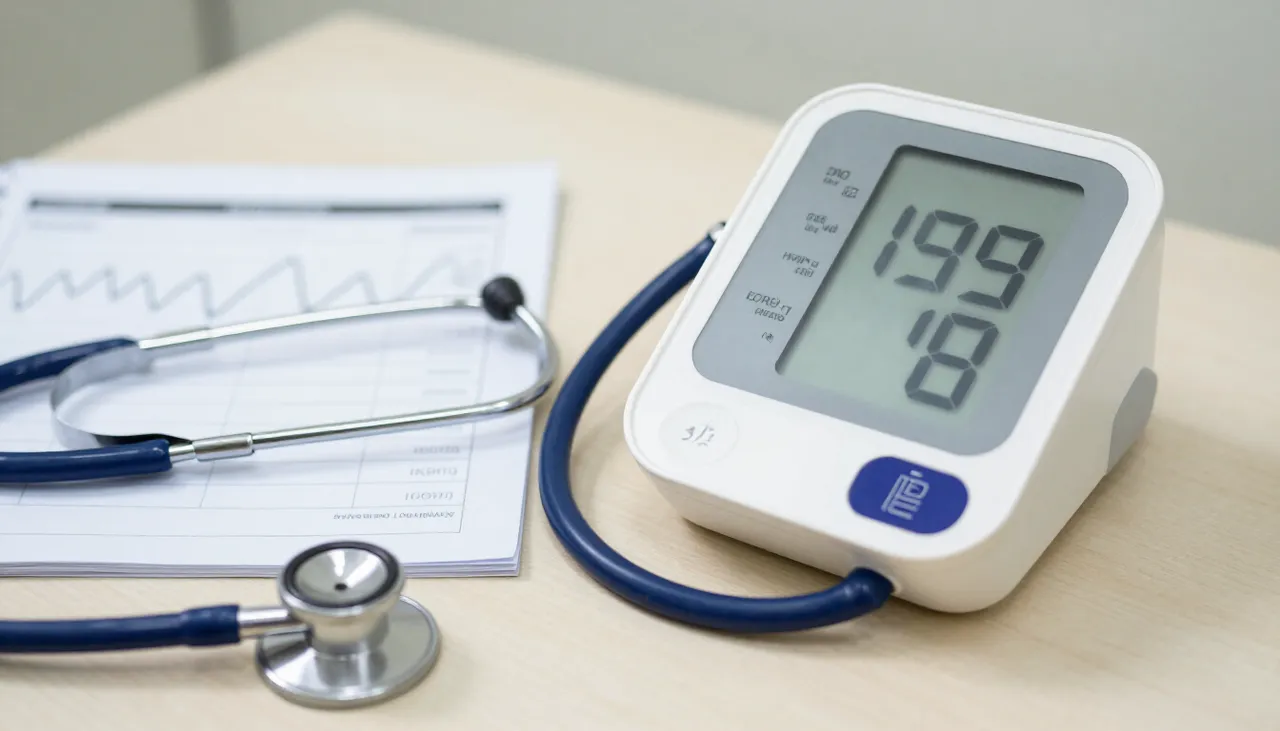
Overview
Blood pressure naturally varies through the day with activity, stress, posture and meals, so some fluctuation is normal. Readings that swing widely — sometimes high, sometimes low, or dropping on standing — can reflect the white-coat effect, anxiety, medication effects, dehydration, an irregular rhythm, or an underlying blood-pressure problem. Repeated or monitored readings are used to tell meaningful fluctuation from normal variation. This page covers fluctuations as a symptom; the diagnosis and treatment of high blood pressure are covered under Hypertension & Cardiovascular Risk.
Common causes
- Normal daily variation with activity, stress and posture.
- White-coat effect — higher readings in a clinical setting.
- Anxiety and stress.
- Medication effects — including missed or incorrectly timed doses.
- Low blood pressure on standing (orthostatic hypotension).
- Dehydration and illness.
- An irregular rhythm such as atrial fibrillation, which can make readings unreliable.
- Inadequately controlled or resistant hypertension.
Symptoms and associated features
The finding is variable readings. Associated features guide the cause: dizziness on standing suggests orthostatic hypotension; high readings with headaches or blurred vision need prompt attention; and an irregular pulse alongside variable readings suggests atrial fibrillation. Symptoms of fainting, chest discomfort or breathlessness with fluctuations warrant assessment.
Evaluation and investigations
Evaluation uses repeated readings, home blood-pressure monitoring, and — where appropriate — ambulatory blood-pressure monitoring over 24 hours to capture the true pattern. An ECG checks for an irregular rhythm, and blood tests review kidney function, electrolytes and blood sugar. See Hypertension & Cardiovascular Risk, Home Blood Pressure Monitoring and Abnormal Test Results.
Management overview
Management treats the cause. The white-coat effect is managed with home or ambulatory monitoring; medication timing and adherence are reviewed; orthostatic hypotension is managed with hydration, posture and medication adjustment; an irregular rhythm is treated; and inadequately controlled hypertension is optimised.
Follow-up and monitoring
Follow-up uses home or ambulatory monitoring to confirm the pattern has stabilised and any underlying cause is controlled. Persistent wide fluctuations are reviewed and referred for specialist assessment when appropriate.
Warning signs — seek urgent care
- A very high reading with severe headache, blurred vision, chest pain or breathlessness — urgent.
- Low readings with dizziness on standing or fainting — urgent.
- Fluctuations with a rapid irregular pulse and chest discomfort — urgent.
- Fluctuations with collapse or loss of consciousness — emergency.
How we help
Dr. Nayak evaluates blood-pressure fluctuations with repeated and monitored readings, an ECG and targeted blood tests, identifies the cause, and optimises treatment or refers for specialist care when needed. Consultations are available in-clinic in Bhubaneswar and over teleconsultation.
Related conditions and patient concerns
Explore more
Related conditions
Explore more
Related services
Take action now
Schedule your consultation today with Dr. Nayak
Don't wait to get the healthcare you deserve. Book your appointment in just a few clicks.