
Obesity & Weight Management
Obesity and Type 2 Diabetes
How excess weight drives type 2 diabetes, why weight loss improves blood sugar, and how the two are managed together rather than separately.
Overview
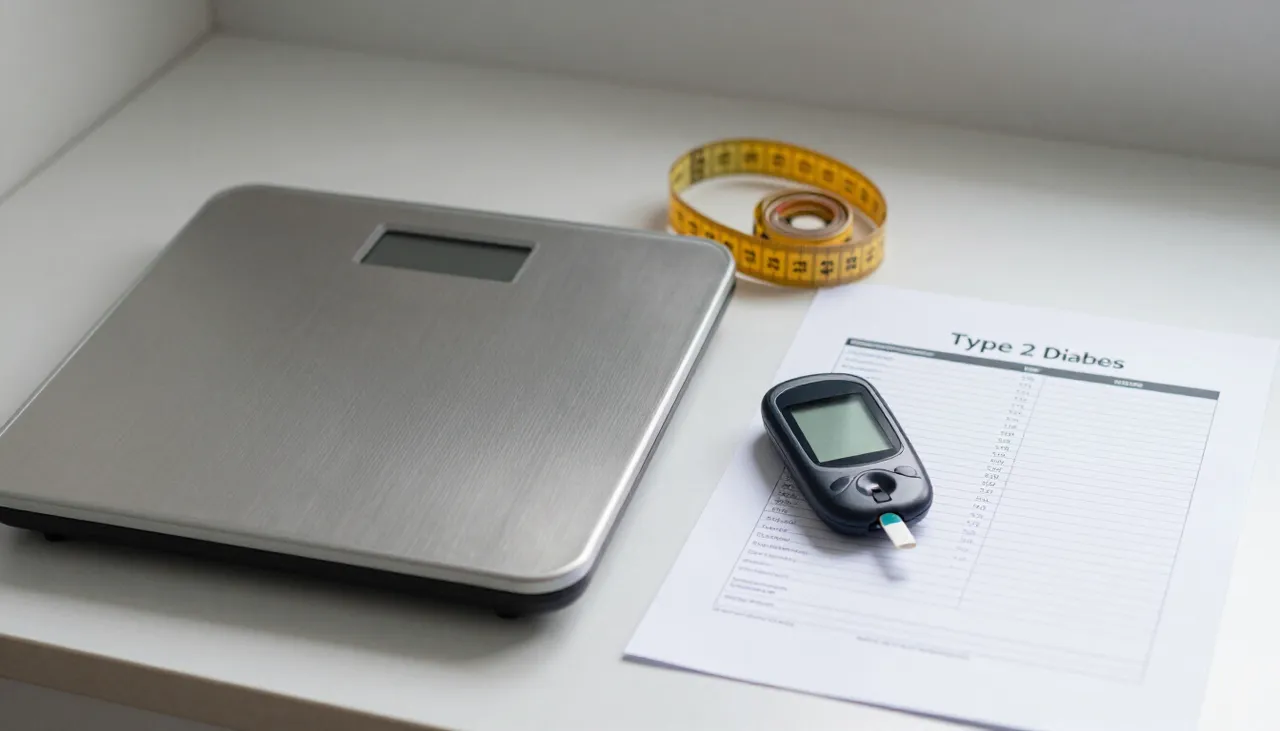
Excess weight — particularly abdominal fat — is the single most important modifiable risk factor for type 2 diabetes. It causes insulin resistance, where the body’s insulin works less effectively, so blood sugar rises. The relationship is also reversible: losing weight can markedly improve blood sugar, and in some people with recent-onset type 2 diabetes can put the condition into remission. This page focuses on the relationship between the two conditions; the diabetes itself is covered on the Type 2 Diabetes page, and the weight-management plan on the Medical Weight Management page.
How obesity drives type 2 diabetes
Visceral fat releases inflammatory signals and hormones that make the body’s cells less responsive to insulin. The pancreas produces more insulin to compensate, but over time it cannot keep up, and blood sugar rises into the prediabetes and then the diabetes range. This is why type 2 diabetes is so much more common in people who are overweight or obese, and why the risk rises with waist circumference.
Why weight loss helps
Even a modest, sustained weight loss of 5–10% can lower blood sugar, reduce the need for medication, and in some people with recent-onset type 2 diabetes achieve remission — blood sugar returning to non-diabetic levels without medication. The earlier the weight loss after diagnosis, the greater the chance of remission, because the insulin-producing cells are still recovering.
Managing the two together
Because the same process drives both, the most effective care treats weight and blood sugar together — a sustainable eating plan, activity including resistance exercise, medication for sugar and weight where appropriate, and regular monitoring of HbA1c, weight and waist. Some diabetes medicines also support weight loss, while others promote it; the choice is coordinated. See Type 2 Diabetes and Medical Weight Management.
How we help
Dr. Nayak manages weight and type 2 diabetes together — choosing a plan that improves both, monitoring HbA1c and weight over time, and coordinating medication. Consultations are available in-clinic in Bhubaneswar and over teleconsultation.
Related conditions and patient concerns
Explore more
Related conditions
Explore more
Related services
Take action now
Schedule your consultation today with Dr. Nayak
Don't wait to get the healthcare you deserve. Book your appointment in just a few clicks.